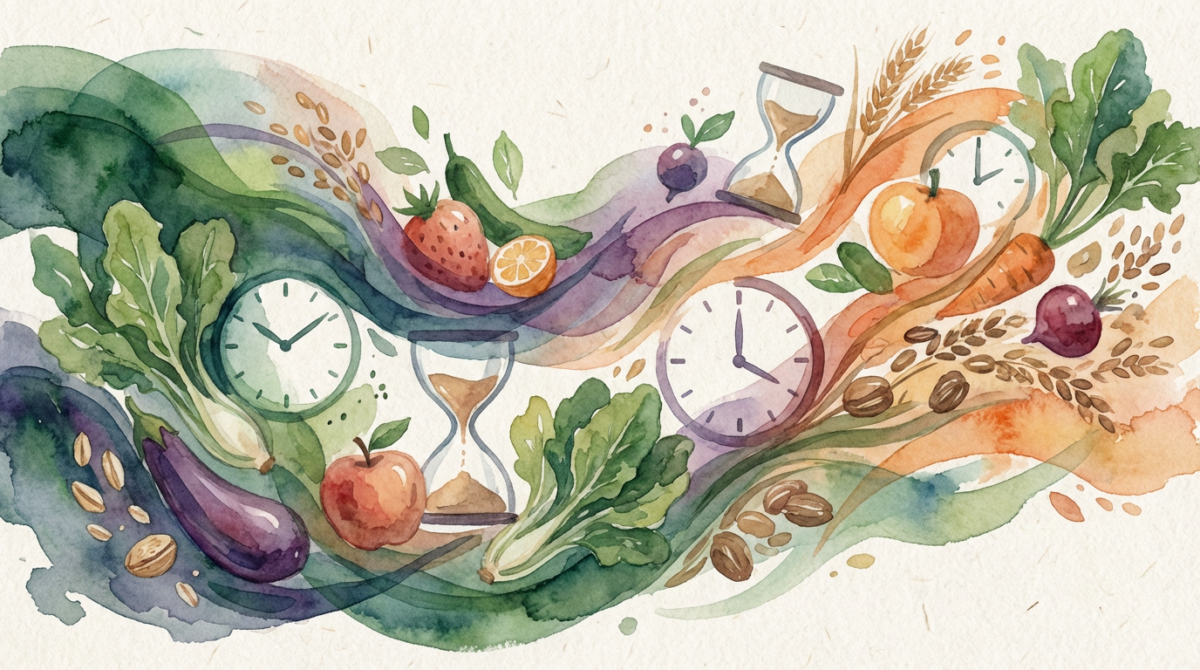
The Hidden Mental Load of Fighting Your Body’s Clock
You know that feeling when you’re trying to focus on an important task, but your brain feels like it’s swimming through molasses? Or when decision fatigue hits so hard that choosing what to have for lunch feels like solving calculus? Here’s something most wellness advice misses: your cognitive function is tied to when and what you eat, and ignoring this connection is like trying to drive with the parking brake on.
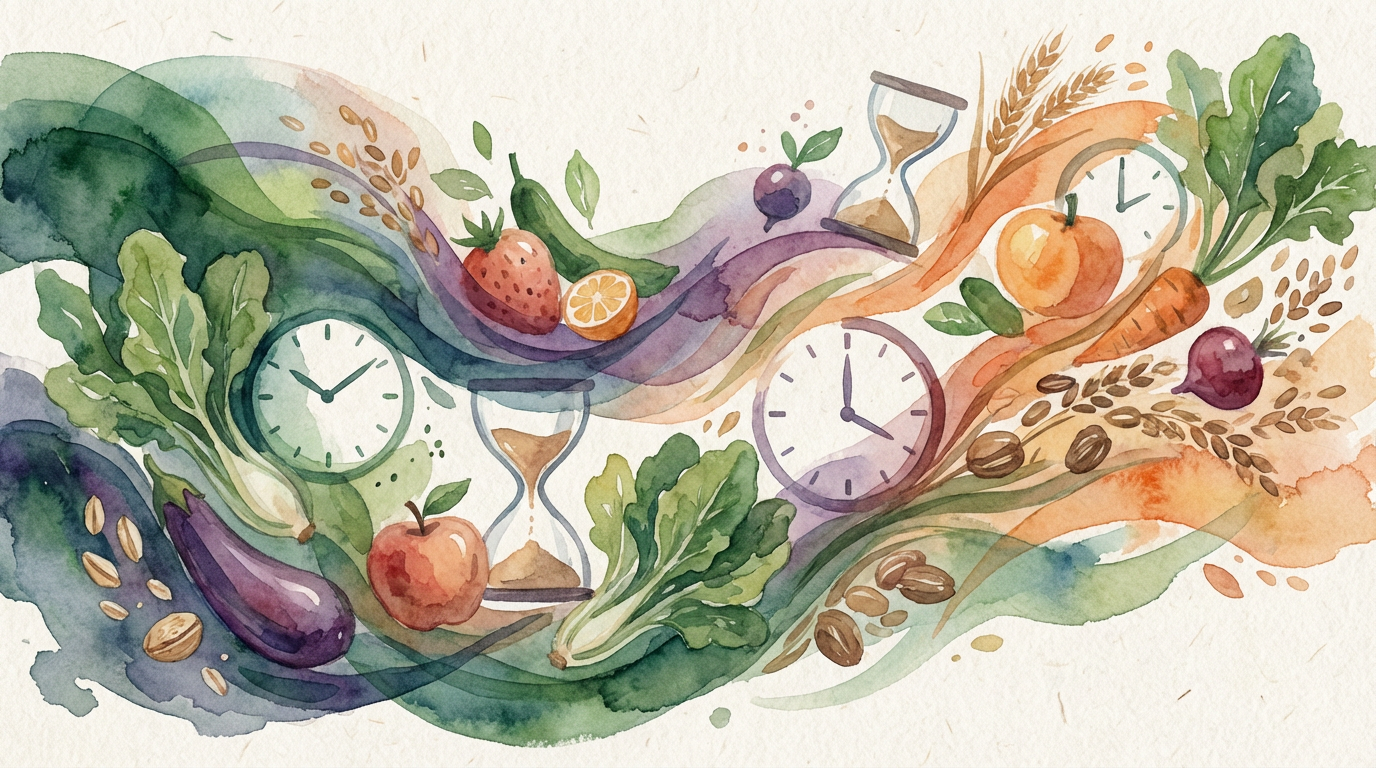
Your brain burns through about 20% of your daily calories, even though it’s only 2% of your body weight. That’s one expensive organ to run. It needs steady, quality fuel to work right. When we treat meals as afterthoughts or eat junk food whenever, we’re asking our minds to handle complex tasks while running on empty.
The mental load of modern life is exhausting. Between work demands, family responsibilities, and the general chaos of existing in 2024, our brains are already working overtime. Why make it worse by creating internal chaos with random eating patterns and blood sugar roller coasters?
Your Circadian Rhythm Isn’t Just About Sleep
Research from Harvard’s Department of Neurobiology shows that our circadian clocks don’t just control sleep. They control hormones, neurotransmitters, and metabolic processes that directly affect mood, focus, and mental resilience. When you eat matters because your digestive system, insulin sensitivity, and your ability to make feel-good neurotransmitters like serotonin all follow predictable daily rhythms.
Studies show that people who eat their largest meals earlier in the day report better mood stability and cognitive performance. This isn’t about restriction or complicated rules. It’s about working with your body’s natural patterns instead of fighting them. Your insulin sensitivity is highest in the morning and gradually drops throughout the day. This means your body is designed to handle larger, more complex meals earlier and lighter stuff as evening approaches.
Think about it: how many times have you felt mentally sharp and emotionally balanced after a heavy late dinner? I can’t remember a single one. Your body diverts serious energy to digestion when you eat big meals close to bedtime, energy that could support quality sleep and next-day mental clarity instead.
The Nutrient Density Connection Your Therapist Probably Doesn’t Know About
Here’s where it gets really interesting. Your brain makes neurotransmitters from the raw materials you provide through food. Serotonin production requires tryptophan, B vitamins, and magnesium. Dopamine needs tyrosine, iron, and folate. When we consistently choose nutrient-poor foods, we’re limiting our brain’s ability to regulate mood and motivation.
A 2019 study published in Nutritional Neuroscience found that participants who increased their intake of nutrient-dense foods showed improvements in anxiety and depression scores within just four weeks. We’re not talking about expensive superfoods here. We’re talking about choosing an apple with almond butter over a granola bar, or having eggs with spinach instead of cereal for breakfast.
The thing about nutrient density is that it builds on itself. When you consistently fuel your body with foods rich in vitamins, minerals, healthy fats, and quality protein, you create a foundation for mental resilience. Your blood sugar stays stable, your energy doesn’t crash, and your capacity to handle stress naturally improves.
This doesn’t mean perfect eating or never enjoying treats. It means recognizing that food is information, and the information you send your brain through your choices directly affects how you feel and function throughout the day.
Practical Strategies That Actually Work in Real Life
Let’s get practical. You don’t need to overhaul your entire life overnight. Start with one meal timing shift that feels manageable. Maybe that’s eating breakfast within two hours of waking up instead of running on coffee until noon. Or perhaps it’s moving your largest meal to lunchtime and keeping dinner lighter.
For nutrient density, focus on adding before subtracting. Add a handful of berries to your yogurt. Include a palm-sized portion of protein at each meal. Throw some leafy greens into your smoothie or sandwich. These small changes create ripple effects that extend far beyond physical health.
Pay attention to your energy and mood patterns. When do you feel most focused? When does your mood typically tank? Track this for a week alongside your eating patterns. You might discover that your 3 PM brain fog connects to skipping lunch, or that your evening anxiety spikes after eating processed foods earlier in the day.
Remember, this is about working with your unique body and schedule, not copying someone else’s perfect day. A nurse working night shifts will have different optimal timing than someone with a standard office job. The key is consistency within whatever pattern works for your life.
Your Mental Health Deserves This Kind of Attention
We’ve been taught to think of mental health and physical health as separate things, but they’re completely connected. The same inflammation that affects your joints can mess with your mood. The same blood sugar chaos that makes you physically tired can trigger anxiety or irritability.
Taking care of your mental health through mindful eating isn’t selfish or superficial. It’s basic maintenance. When your brain has the fuel it needs to work right, everything else becomes more manageable. You have more patience with difficult people. You make better decisions under stress. You feel more like yourself.
This approach acknowledges that you’re a whole person, not just a collection of symptoms to manage separately. Your mind and body are partners in this life, and they both deserve thoughtful, consistent care.
Start small, be patient with yourself, and notice what changes when you begin treating meal timing and food quality as essential parts of your mental wellness toolkit. Your future self will thank you for every nutrient-dense meal and every choice that honors your body’s natural rhythms.