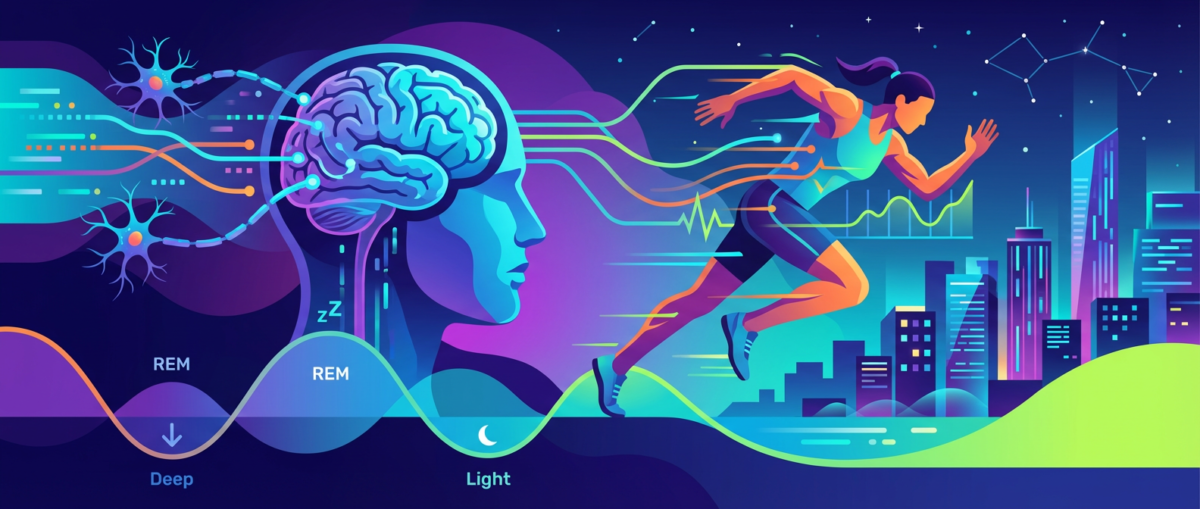
The Sleep Crisis Is Quietly Destroying Your Mental Health
More than one in three American adults isn’t getting seven hours of sleep. That’s not just a statistic. That’s your coworker running on fumes. That’s you reaching for your third coffee by 10 AM. That’s the slow accumulation of decisions not made, emotions not processed, and resilience not built.
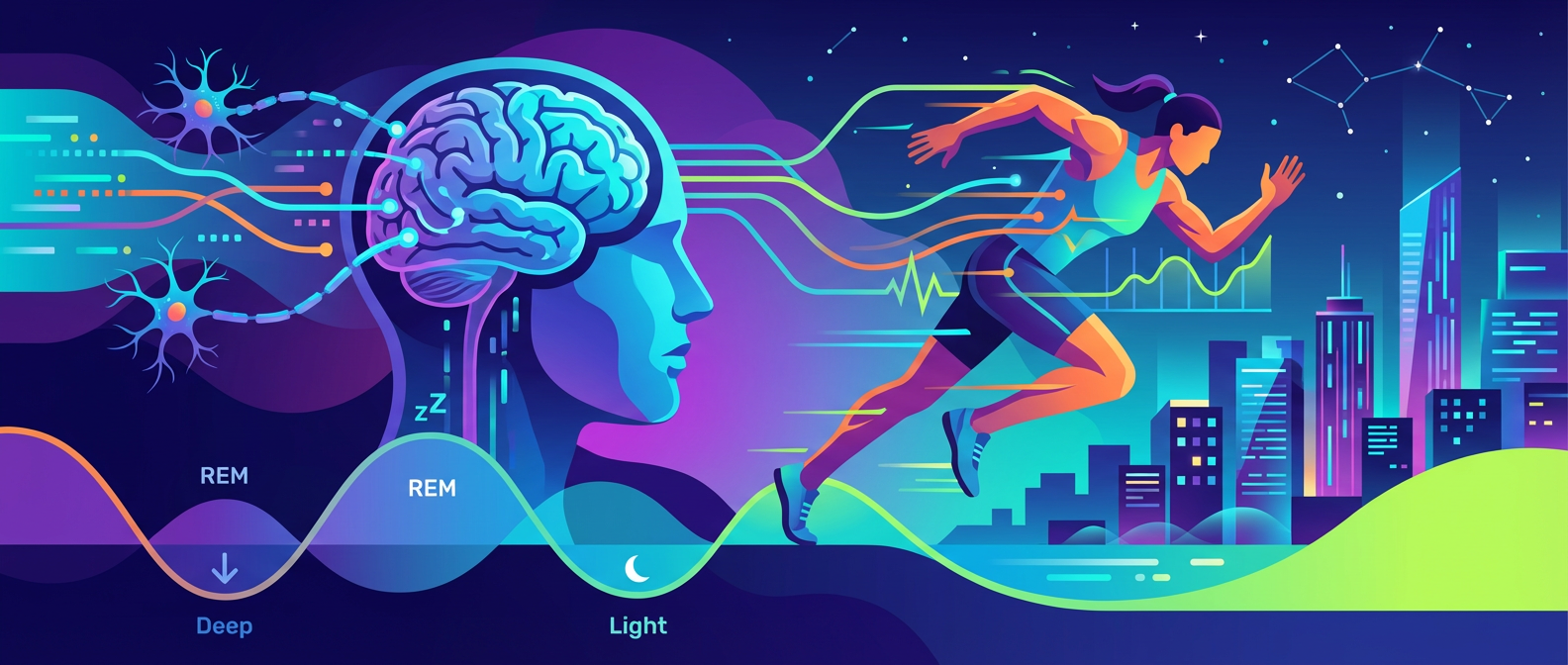
The economy feels this too. We’re talking about 411 billion dollars in lost productivity annually—money that represents real human capacity slipping away, night after night. But here’s what the headlines miss: the productivity loss is just the symptom. The actual problem lives in your nervous system. Sleep deprivation doesn’t just make you slower. It makes you more anxious, more reactive, and harder on yourself.
When you’re sleep-deprived, your amygdala, the part of your brain that processes fear and emotional intensity, becomes hyperactive. Everything feels more threatening. A critical email feels personal. A small mistake feels catastrophic. Your prefrontal cortex, the rational part that usually keeps things in perspective, is offline. This is why people in chronic sleep debt often struggle with mental health challenges that feel mysteriously resistant to other interventions.
Why the High Performance Movement Got Sleep Right (And What It’s Missing)
Matthew Walker’s “Why We Sleep” did something remarkable when it landed in 2017. It gave us permission to treat sleep like a performance variable instead of a luxury. Suddenly, CEOs and athletes and ambitious people everywhere weren’t indulgent for prioritizing rest. They were strategic. That shift mattered. It still matters.
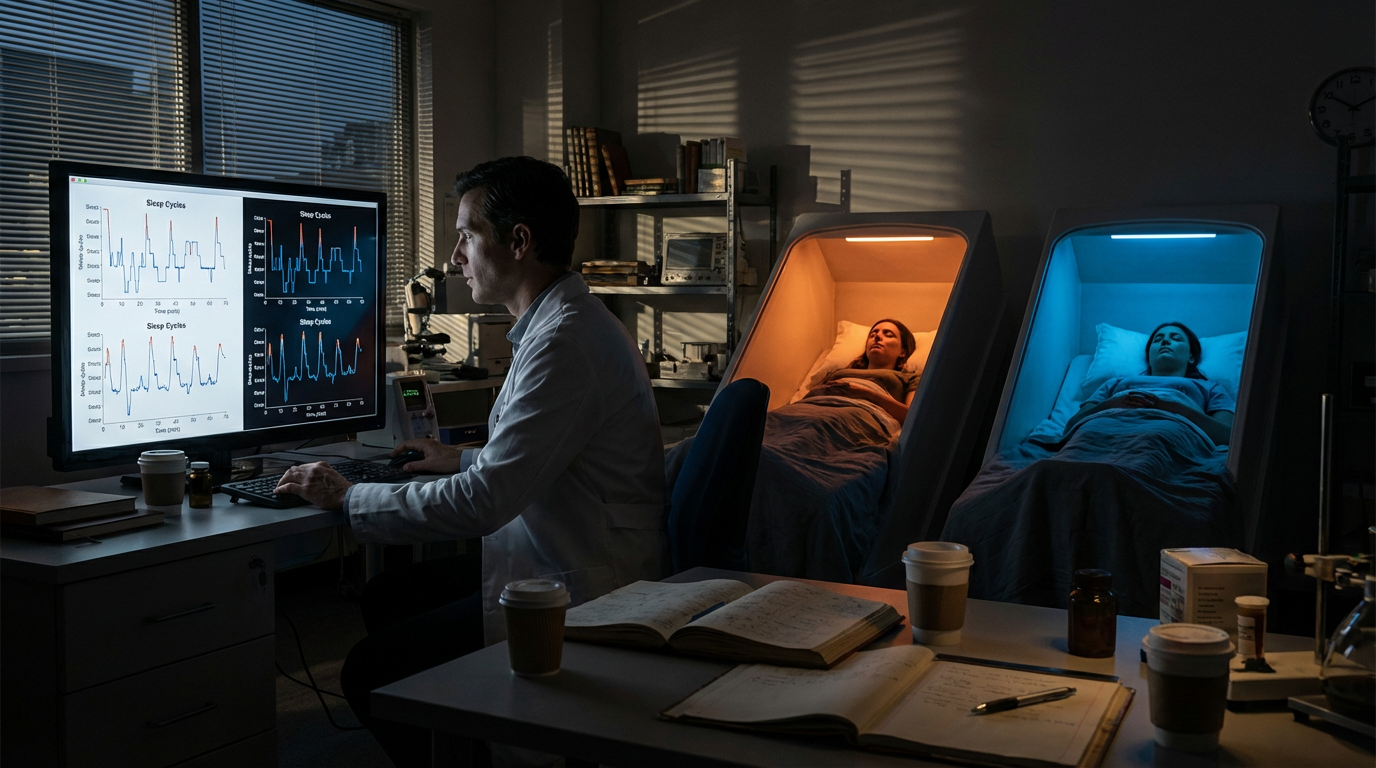
The data-driven sleep optimization wave that followed, Oura Rings tracking your HRV, WHOOP bands monitoring your recovery, apps quantifying your sleep architecture, created a framework where you can actually see what’s happening in your body. Knowledge is powerful. Seeing your own data removes the guesswork. It validates that yes, those three late nights did accumulate into a measurable recovery deficit.
But here’s what sometimes gets lost in optimization culture: tracking everything can become another form of mental load. Obsessing over sleep scores. Feeling guilty when your recovery isn’t optimal. Treating your body like a machine that should perform consistently instead of like a living system with legitimate rhythms and needs. The performance approach works best when it’s paired with self-compassion, not perfectionistic demands.
Your Chronotype Isn’t a Character Flaw—It’s Your Biology Speaking
Chronobiology research keeps confirming something your gut already knew: people have genuinely different sleep timing preferences. Some of us are wired to wake at 5 AM naturally energized. Others need that 8:30 AM start to function like humans. Neither is better. Neither is lazier. It’s just how your individual circadian system is organized.
This matters emotionally because so many of us have internalized the message that early rising equals productivity and discipline. If you’re someone whose natural rhythm peaks at 10 PM, fighting that every day creates chronic low-level stress on your nervous system. You’re not failing at mornings. Your brain chemistry just works differently.
Huberman Lab sleep protocols go deep into the chronobiology science and offer frameworks for working with your natural timing rather than against it. The goal isn’t to become an early riser if that’s not your biology. The goal is to understand your pattern and build a life structure that supports it.
The Tools That Actually Help (And Why Context Matters)
Red light therapy and weighted blankets have moved from wellness fringes into legitimate sleep support categories, and the research backing them keeps growing. Red light wavelengths genuinely signal your body toward melatonin production. The gentle pressure of weighted blankets activates your parasympathetic nervous system. These aren’t placebos, though believing in them probably helps too.
But here’s the honest truth: a tool only works when it addresses an actual barrier. If your sleep environment is chaotic, a weighted blanket won’t solve it. If your nervous system is flooded with caffeine and cortisol, red light therapy is working against the current. The real question is what your particular barrier actually is.
Is it that your mind won’t quiet? Then you need nervous system regulation before you need better sleep architecture. Is it that your body never feels settled? Then weighted input might be genuinely transformative. Is it that light exposure is disrupting your circadian rhythm? Red light therapy actually makes sense.
Sleep Foundation research offers evidence-based starting points for evaluating what interventions match your specific situation rather than just following what’s trending.
Building Sleep as Mental Load Management, Not Just Sleep Optimization
The highest-performing humans don’t think of sleep as recovery time separated from their real life. They think of it as foundational mental load management. When your sleep is solid, everything else becomes more manageable. You make better decisions. You’re kinder to people you love. You handle stress without spiraling.
This reframe takes pressure off sleep itself. You’re not trying to achieve a perfect sleep score. You’re trying to create conditions where your nervous system can actually rest so you have the emotional capacity for your actual life. That’s the whole point.
Start where you are. Maybe it’s blocking out your bedroom. Maybe it’s examining your caffeine timing. Maybe it’s working with a chronotype that actually matches your biology instead of fighting it. Maybe it’s adding weighted pressure or red light. The specific tool matters less than the intention: you’re building a life where sleep is genuinely possible, not squeezed in around everything else.
What’s one barrier to sleep that’s been nagging at you? The one you keep thinking you should fix but haven’t quite addressed? That’s your starting point. Share it in the comments if you want. Sometimes just naming it is the first step toward changing it.