If you train like a pro but treat sleep like an optional extra, you’re shortchanging your own results. Most recovery talk revolves around protein timing, hydration strategies, and foam rolling. Sleep gets a nod, sure, but rarely the kind of attention that matches its actual role. I’ve spent years studying how the endocrine system responds to training stress, and I keep seeing the same blind spot: athletes who weigh every gram of food and map out every microcycle, yet leave the most anabolic window of the day completely unstructured.
This piece sets out to fix a few stubborn misunderstandings about sleep and hormonal recovery. We’ll walk through how distinct sleep stages regulate testosterone, growth hormone, and cortisol, and why when you sleep can matter just as much as how long. No fluff—just the mechanisms that actually drive repair and adaptation, so you can stop working against yourself.
Sleep Architecture: A Quick Primer
Sleep isn’t a flat, featureless state. It’s built in repeating cycles of roughly 90 minutes, alternating between non-rapid eye movement (NREM) and rapid eye movement (REM) sleep. NREM itself breaks down into three depths: N1, the drowsy drift-off; N2, where sleep spindles and K-complexes stabilize sleep; and N3, slow-wave sleep—the deep, restorative stage. The night isn’t a random shuffle of these stages. Slow-wave sleep dominates the first half of the night, while REM sleep piles up in the later cycles, especially near morning.
For anyone training seriously, this architecture isn’t just academic trivia. The body’s biggest hormonal pulses are locked to specific sleep stages. When you push bedtime later—whether by choice, late sessions, or doom-scrolling—you’re carving into slow-wave sleep disproportionately. And that’s the stage where a lot of the endocrine heavy lifting happens.
Growth Hormone: The Slow-Wave Sleep Connection
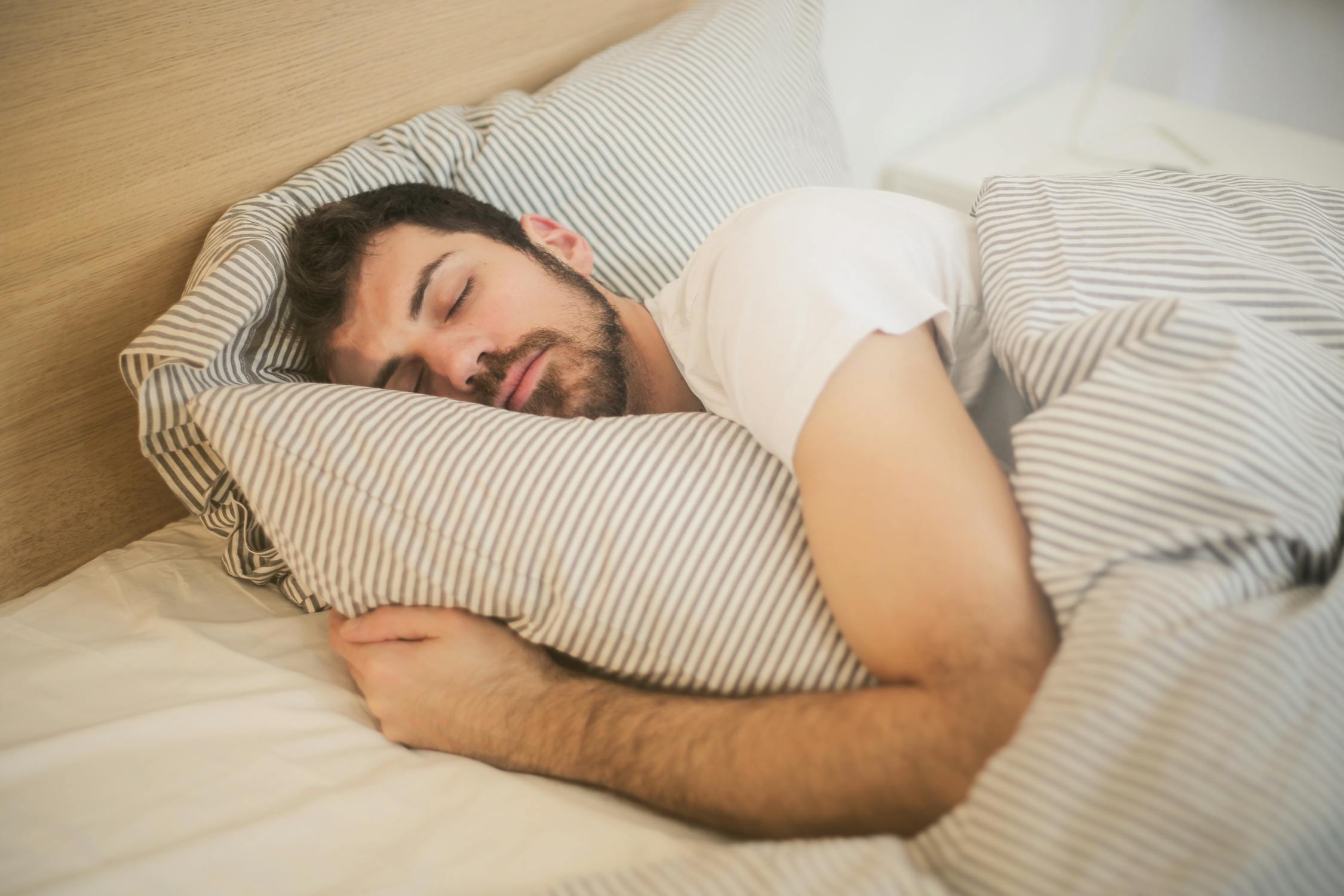
Growth hormone (GH) isn’t just a teenage hormone. In adults, it drives protein synthesis, fat breakdown, and tissue remodeling. The biggest natural GH pulse of the day doesn’t happen after a workout or a steak dinner—it fires shortly after you fall asleep, during the first deep bout of slow-wave sleep. Polysomnography studies with frequent blood draws confirm that the size of this pulse tracks closely with how much slow-wave sleep you get in that first cycle.
When sleep is cut short or fragmented—think late-night training, a couple of drinks, or high mental stress—the GH surge shrinks. And not by a little. Experiments that selectively suppressed slow-wave sleep saw nocturnal GH secretion drop by more than half. Over a training block, that’s a serious hit to muscle repair and adaptation. You’re essentially paying for the training stimulus but not collecting the full hormonal dividend.
One of the most common workarounds I hear is, “I’ll just sleep in on the weekend.” That logic fails because the GH pulse is tied to circadian timing, not just total sleep hours. The early part of the biological night primes the system for GH release. Going to bed at 2 a.m. and waking at 10 a.m. doesn’t recreate the hormonal environment of a 10 p.m.–6 a.m. schedule. The pulse shifts to a less favorable circadian phase and loses amplitude, even if you clock the same hours in bed.
Testosterone: Daily Rhythm and Sleep Debt
In men, testosterone follows a clear daily arc: it peaks in the early morning and slides downward through the day. That rhythm depends partly on sleep. When sleep is restricted to four or five hours for several nights in a row, daytime testosterone levels fall measurably. One study in young, healthy men found that a week of five-hour nights knocked daytime testosterone down by 10–15%. That’s not a rounding error—it’s a meaningful shift for muscle protein synthesis, mood, and libido.
The mechanism runs through the hypothalamic-pituitary-gonadal axis. Sleep loss messes with the pulsatile release of luteinizing hormone (LH), the signal that tells the testes to produce testosterone. With fragmented or short sleep, LH pulse amplitude drops, and the testes get a weaker call to action. This isn’t permanent hypogonadism, but it’s a transient suppression that, repeated across a season, can dull training adaptations.
Women aren’t off the hook. Testosterone circulates at lower levels but still supports muscle maintenance and recovery. Sleep restriction also disturbs the hypothalamic-pituitary-ovarian axis, shifting estrogen and progesterone rhythms. Those changes can affect energy metabolism and ligament integrity—factors that rarely make it into recovery plans for female athletes.
Cortisol: The Misunderstood Hormone
Cortisol gets painted as the villain—the catabolic hormone that eats muscle and stores fat. That’s too simple. Cortisol has a healthy circadian rhythm: it spikes in the early morning to get you alert, then tapers off through the day, bottoming out around midnight. This rhythm supports immune function, metabolism, and even memory consolidation.
Sleep loss disrupts cortisol in two ways. Acute deprivation pushes evening cortisol up, blunting the natural trough. Chronic short sleep flattens the whole diurnal slope, so cortisol hangs around at moderate levels day and night. That pattern is linked to insulin resistance, more abdominal fat, and slower muscle repair—all outcomes that fight against what you’re trying to achieve in the gym or on the track.
What many athletes miss is that late-night training itself can yank the cortisol rhythm off course. High-intensity work within two hours of bedtime raises cortisol and core temperature right when both should be dropping. The result: delayed sleep onset, less slow-wave sleep, a blunted GH pulse, and a cortisol rhythm that stays out of whack. It’s a self-reinforcing loop of lousy recovery.
Sleep Restriction and Performance Markers
Beyond hormones, short sleep chips away at performance through several channels. Reaction time, decision-making, and motor coordination all take a hit. For strength and power athletes, maximal voluntary contraction force and time to exhaustion drop after even one night of partial sleep loss. Endurance athletes see shorter time to exhaustion and higher perceived effort at submaximal intensities.
These declines aren’t just “feeling tired.” They reflect real changes in central nervous system function—reduced motor cortex excitability, altered autonomic balance. The sympathetic nervous system stays overactive, while parasympathetic recovery gets muted. Heart rate variability (HRV), a go-to recovery metric, falls sharply after sleep restriction, signaling less vagal tone and poorer readiness.
Here’s a point that popular training advice often skips: sleep loss also weakens your body’s ability to profit from training. You can nail a high-quality session, but if you sleep poorly afterward, the anabolic window narrows. You’ve paid for the stimulus but collected only a fraction of the adaptation.
Sleep Extension: A Performance Intervention
If cutting sleep hurts hormonal recovery, does extending it help? The evidence says yes, within reason. Studies with basketball players found that stretching sleep to 10 hours a night for several weeks improved sprint times, shooting accuracy, and reaction time. Swimmers who extended sleep turned in faster flip turns and better mood scores. These weren’t marginal gains—they were practically meaningful for competition.
Hormonally, sleep extension lengthens slow-wave sleep, especially in the first part of the night, giving GH secretion a bigger window. Testosterone benefits too, with a stronger morning peak when sleep is unrestricted. Notably, these hormonal improvements happen without changing training load, which makes sleep an independent performance enhancer.
But sleep extension isn’t just about more hours in bed. Sleep efficiency—the percentage of time in bed actually spent asleep—counts. An athlete who lies in bed for 10 hours but only sleeps seven isn’t getting the same payoff as someone who sleeps efficiently for eight. Consistent timing, a dark and cool room, and a wind-down routine matter as much as duration.
Napping as a Strategic Recovery Tool
For athletes with packed schedules, extending nighttime sleep may not be realistic. Strategic napping can help fill the gap. A 20–30 minute nap boosts alertness and motor performance without heavy sleep inertia. Longer naps of 60–90 minutes can complete a full sleep cycle, including slow-wave sleep, and trigger an extra GH pulse.
Still, a nap isn’t a replacement for a solid night’s sleep. The circadian timing of hormone release means no nap fully replicates the nocturnal GH surge. And late-afternoon naps can bleed into nighttime sleep onset, creating a counterproductive cycle. The sweet spot is early afternoon, lining up with the natural post-lunch dip in alertness and core temperature.
For athletes training twice a day, a nap after the morning session can speed recovery before the afternoon work. This isn’t just about feeling fresher—it brings a measurable drop in cortisol and a window for anabolic hormone release that wouldn’t exist otherwise.
Practical Recommendations for Athletes
Here’s what the evidence points to for anyone serious about dialing in the hormonal response to training:
- Consistent sleep-wake timing: Same bedtime, same wake time, weekends included. This locks in your circadian rhythm and makes hormonal pulses predictable.
- Target 7–9 hours of actual sleep: Not time in bed. If you need 8.5 hours of sleep, plan for 9 hours in bed to account for normal sleep latency.
- Keep intense training away from bedtime: Give yourself at least three hours between heavy resistance work or high-intensity sessions and lights-out, so cortisol and core temperature can fall.
- Build a pre-sleep routine: Dim lights, ditch screens, and do something relaxing 30–60 minutes before bed. Blue light suppresses melatonin, delaying sleep onset and eating into slow-wave sleep quality.
- Monitor, but don’t obsess: Wearable sleep trackers show useful trends, but they’re not diagnostic tools. Pay more attention to how you feel and perform than to the numbers alone.
- Use strategic napping: If nighttime sleep is unavoidably short, a 20–30 minute nap in the early afternoon can aid recovery without messing up nighttime sleep.

Common Myths Corrected
Myth: “I can catch up on sleep on the weekends.” Extra weekend sleep can chip away at sleep debt, but it doesn’t restore lost hormonal timing. The GH pulse you missed on Wednesday night isn’t recoverable on Saturday morning. Chronic short sleep builds a cumulative hormonal deficit that weekend recovery sleep can’t fully undo.
Myth: “Melatonin supplements fix everything.” Melatonin can help shift circadian timing for jet lag or shift work, but it’s not a traditional sleep aid. It doesn’t increase slow-wave sleep or GH release. Leaning on melatonin while keeping lousy sleep habits is like taking creatine without training—it misses the point.
Myth: “More training means I need less sleep because my body adapts.” The opposite is true. Higher training loads raise the demand for recovery processes that happen during sleep. Elite athletes often need more sleep than sedentary folks, not less. The idea that fitness reduces sleep need is a misunderstanding of how training stress accumulates.
Frequently Asked Questions
How does sleep affect muscle growth directly?
Sleep, especially slow-wave sleep, triggers the largest daily pulse of growth hormone. That hormone drives protein synthesis and tissue repair. Without enough slow-wave sleep, the GH pulse shrinks, reducing the anabolic response to training. On top of that, sleep deprivation raises cortisol, which can promote protein breakdown and work against muscle-building efforts.
Can poor sleep increase injury risk?
Yes. Sleep restriction impairs motor control, reaction time, and decision-making, which directly raises acute injury risk during training and competition. Over time, elevated cortisol and reduced testosterone and GH from poor sleep slow tissue repair, making overuse injuries more likely. Studies in adolescent athletes have shown that sleeping less than eight hours per night doubles injury risk.
Is it better to sleep longer or to nap before a competition?
Nighttime sleep is the priority. A single long night of sleep before competition delivers hormonal and cognitive benefits that a nap can’t fully match. But if travel or anxiety disrupts pre-competition sleep, a short nap (20–30 minutes) on competition day can improve alertness and motor performance without causing sleep inertia. Avoid long naps close to game time.
Does sleep quality matter more than sleep quantity?
Both matter, and they’re connected. You can’t have high sleep quality without enough quantity, because the deepest sleep stages appear in later cycles of the night. Someone sleeping six hours may have proportionally normal slow-wave sleep but miss the later REM cycles important for cognitive recovery and emotional regulation. Aim for both enough duration and high efficiency.