When Your Body Keeps Score
You know that feeling when you’re doing everything right but your body feels like it’s betraying you? You hit your macros, crushed yesterday’s workout, drank enough water to float a small boat. But here you are, staring at the barbell like it personally offended your ancestors. Your heart rate spikes during what should be an easy warm-up. Your coordination is off. Even your mood feels fragile, like someone might make you cry by asking if you want coffee.
Here’s what’s probably happening: your brain has been keeping receipts on every night you’ve shortchanged your sleep, and now it’s presenting you with the bill. Sleep debt doesn’t just vanish because you feel fine the next morning after staying up until 2 AM scrolling. Your nervous system remembers everything, and it’s going to collect with interest.
The Recovery Equation Your Fitness Tracker Can’t Measure
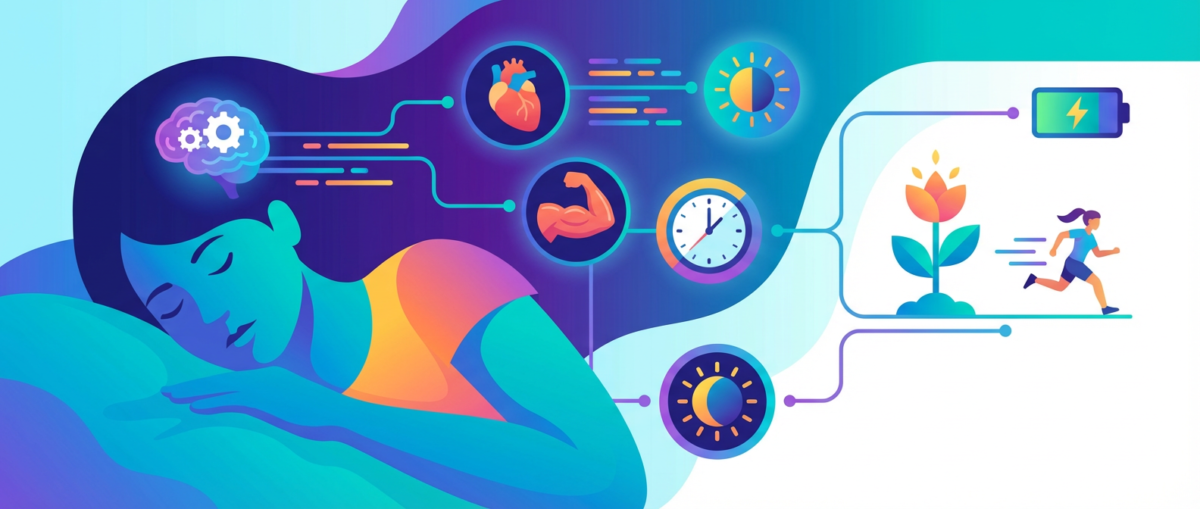
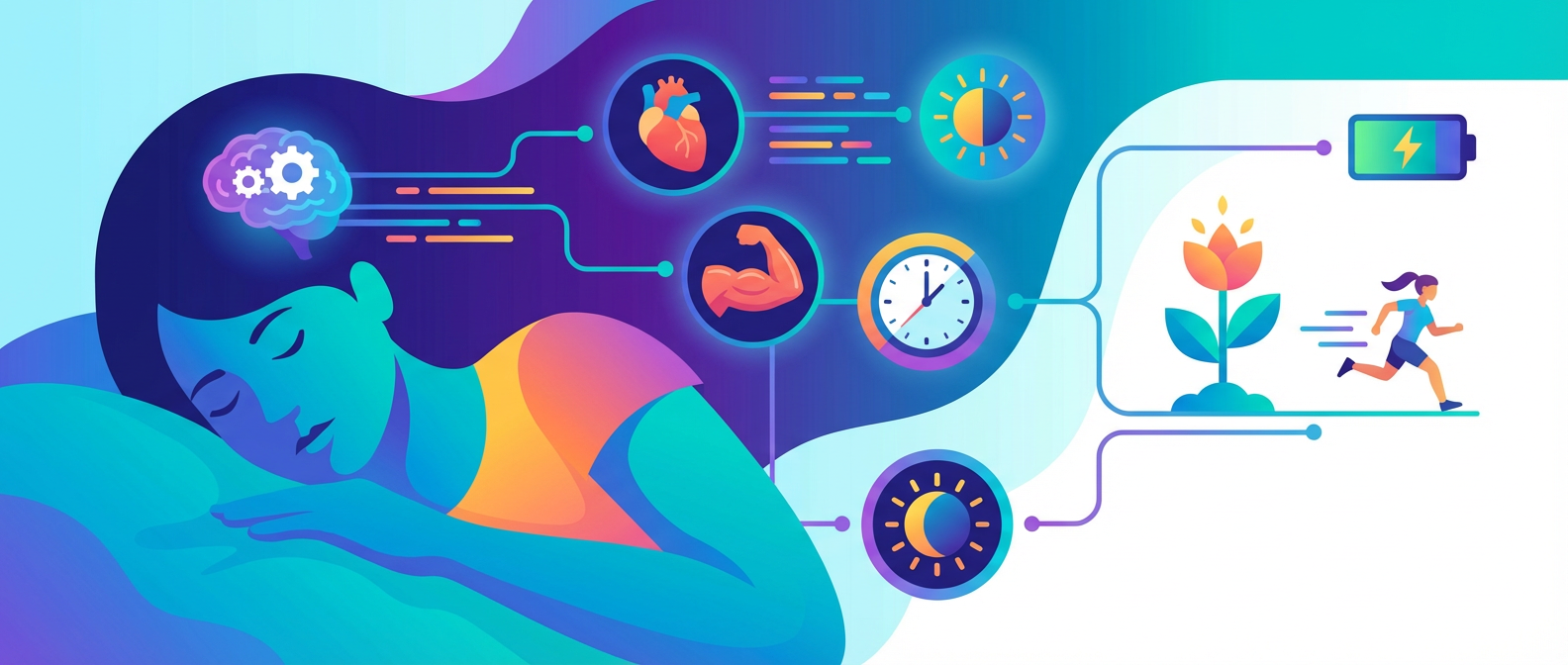
Most people think recovery happens in their muscles. The real magic happens in your brain during deep sleep phases, particularly during the first few hours of the night. This is when your glymphatic system kicks into high gear, essentially power-washing your neural pathways and clearing out metabolic waste that built up during the day. Think of it as your brain’s overnight cleaning crew, except they don’t just empty the trash bins. They’re rebuilding cellular structures, locking in motor learning from your training, and regulating the hormones that determine whether tomorrow feels possible or punishing.
A 2018 study from UC Berkeley found that just one night of sleep loss decreased participants’ pain tolerance by 15% and altered their brain’s pain-processing regions. Translation? That weight that felt manageable yesterday might genuinely feel heavier today, not because you’re weak, but because your nervous system is operating from a deficit.
Your mental load directly impacts your physical capacity. When you’re running on insufficient sleep, your prefrontal cortex struggles with decision-making and impulse control. This shows up as that voice in your head that says “just skip the workout” or convinces you that form doesn’t matter when you’re tired. Your brain is trying to protect you from making poor decisions under stress, but it can’t tell the difference between the stress of sleep loss and the beneficial stress of exercise.
The 90-Minute Rule That Changes Everything
Here’s something that might shift how you think about bedtime: your sleep cycles run in roughly 90-minute chunks, moving through light sleep, deep sleep, and REM sleep before starting over. Most adults need 4-6 complete cycles per night, which translates to 6-9 hours total. But here’s the key insight that changed my own sleep game: waking up in the middle of deep sleep will leave you feeling worse than getting slightly less total sleep but completing a full cycle.
Instead of fixating on hitting exactly 8 hours, try working backward from your wake-up time in 90-minute increments. If you need to be up at 6 AM, aim to be asleep by 10:30 PM (7.5 hours) rather than 11 PM (7 hours). That extra 30 minutes might mean the difference between waking up mid-cycle feeling groggy versus completing a cycle and feeling alert.
Track this for a week. Note not just how many hours you slept, but how you feel during your workout the next day. Most people discover they have a sweet spot where they feel significantly more resilient, both physically and mentally, even if the total sleep time isn’t what they expected.
Creating Your Personal Sleep Sanctuary
Your sleep environment sends signals to your nervous system about whether it’s safe to let go and recover. This isn’t about having the perfect bedroom setup from a magazine. This is about removing obstacles that keep your brain on alert when it should be shifting into repair mode.
Temperature matters more than most people realize. Your core body temperature naturally drops as you fall asleep, which is why a room around 65-68°F often feels optimal. But individual variation is huge here. Some people sleep better slightly warmer, others need it cooler. Pay attention to whether you wake up feeling hot or cold, and adjust accordingly. Your body will tell you what it needs.
Light exposure is your circadian rhythm’s primary cue. Blue light from screens suppresses melatonin production, but the solution isn’t necessarily avoiding all screens after sunset. Instead, consider blue light blocking glasses in the evening, or use your phone’s night mode earlier in the day. The goal is giving your brain clear signals about when it’s time to start winding down versus staying alert.
When Sleep Feels Impossible: Working With Your Mental Load
Sometimes the barrier to good sleep isn’t your environment or your schedule. It’s your brain refusing to turn off because there’s too much left undone, unprocessed, or unresolved. This is where the mind-body connection becomes impossible to ignore. Your physical recovery depends on your mental ability to let go, even temporarily.
Try a “brain dump” 30 minutes before you want to fall asleep. Grab a notebook and write down everything circulating in your mind: tomorrow’s to-do list, conversations you need to have, problems you’re trying to solve. The goal isn’t to solve anything right now. It’s to get the mental load out of your head so your brain doesn’t have to keep holding onto it all night.
Progressive muscle relaxation works because it gives your anxious mind a specific task while simultaneously releasing physical tension. Start with your toes and work your way up, tensing each muscle group for 5 seconds, then releasing. By the time you reach your shoulders and neck, you’ve given your brain something to focus on besides the mental loop of worries, and you’ve signaled to your nervous system that it’s time to shift gears.
Your sleep quality directly impacts your capacity to handle stress, make good decisions, and show up for your goals tomorrow. It’s not just about feeling rested. It’s about giving your mind and body what they need to support the life you’re trying to build. What would change if you started treating sleep as seriously as you treat your training? What might become possible if you stopped fighting your recovery and started designing for it instead?