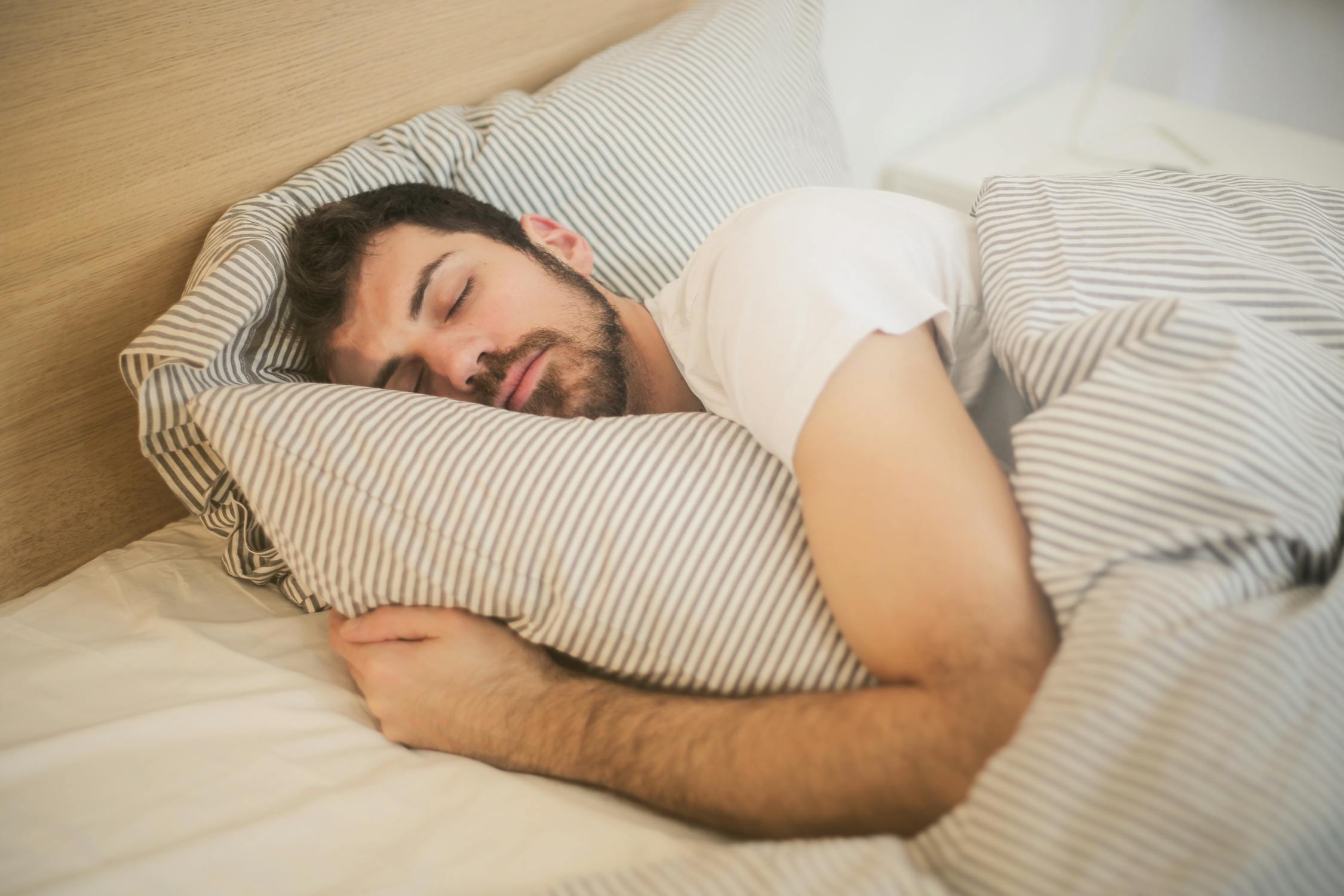
Walk into any gym and you’ll hear athletes and coaches obsessing over protein timing, rep schemes, and the latest periodization models. But the most powerful recovery tool available—a night of deep, structured sleep—barely gets a mention. The conversation around sleep and hormones is full of half-truths. Many athletes think that as long as they’re in bed for eight hours, the job is done. It’s not. The architecture of your sleep, specifically the proportion of slow-wave sleep and the consistency of your circadian rhythm, directly controls the pulsatile release of growth hormone, the suppression of cortisol, and the optimization of testosterone. Focusing on sleep duration while ignoring sleep stages is like counting calories while ignoring macronutrients. The results will suffer.
The Nocturnal Endocrine Factory
Sleep isn’t a flat line of unconsciousness. It’s a dynamic cycle of non-rapid eye movement (NREM) and rapid eye movement (REM) stages, repeating roughly every 90 minutes. The hormonal response is tightly choreographed to these cycles. During the first half of the night, deep NREM sleep—often called slow-wave sleep—dominates. This is the critical window for the hypothalamic-pituitary axis. The pituitary gland releases large pulses of growth hormone (GH), not as a passive byproduct of rest, but as an active response to the specific neurochemical environment of slow-wave sleep. For an athlete, this GH surge drives muscle repair, collagen synthesis, and bone density maintenance. If you cut your sleep short or fail to reach deep stages, you’re literally amputating your body’s primary repair window.
Testosterone and the Circadian Lock
A persistent locker-room myth is that testosterone production is a steady, low-level process. It’s not. Testosterone secretion in men follows a circadian rhythm, peaking during sleep and declining throughout the day. This rise is sleep-dependent, not just time-dependent. Studies show that restricting sleep to five hours a night for a week can slash daytime testosterone levels by 10% to 15% in young, healthy males. The mechanism involves a disruption of luteinizing hormone (LH) pulse amplitude. Without the specific neuroendocrine milieu of consolidated sleep, the pituitary’s signal to the testes weakens. The athlete who boasts about thriving on five hours of sleep is also advertising a self-imposed androgen deficiency.

Cortisol: The Catabolic Intruder
While anabolic hormones rely on sleep to hit their peak, the catabolic hormone cortisol follows the opposite pattern. In a healthy rhythm, cortisol levels plummet during the early part of the night, reaching a nadir, before surging in the early morning to help you wake up. Sleep deprivation, or even fragmented sleep, throws this rhythm into chaos. Elevated nocturnal cortisol directly blocks muscle protein synthesis and accelerates protein breakdown. For an athlete, this means a bad night’s sleep doesn’t just leave you tired—it actively eats away at the muscle you’ve worked to build. Chronic sleep loss also blunts the cortisol awakening response (CAR), leaving you sluggish and impairing daytime recovery signaling. The real biochemical marker of recovery isn’t just a high GH spike; it’s the ratio between that spike and a deep cortisol trough, both of which depend on sleep quality.
Sleep Restriction and Insulin Resistance
The hormonal fallout extends to metabolic health. Just a few nights of short sleep can make your peripheral tissues resistant to insulin. Glucose tolerance drops, and your pancreas must pump out more insulin to keep blood sugar in check. For an athlete relying on glycogen replenishment and nutrient partitioning, this is a disaster. High insulin in a cortisol-dominant, catabolic environment shunts calories toward fat storage rather than muscle glycogen. The athlete who trains hard but sleeps poorly often notices an increase in belly fat despite a clean diet. This isn’t a calorie surplus problem; it’s a hormonal partitioning problem driven by sleep loss.
Correcting the Record on Sleep Hygiene
Standard sleep hygiene advice—keep the room dark, avoid screens—is a start, but it’s not enough for hormonal optimization. The real fix requires adjusting training variables to protect sleep architecture. High-intensity training too late in the evening elevates core body temperature and sympathetic nervous system activity, delaying sleep onset and suppressing slow-wave sleep. The resulting drop in GH secretion can cancel out the anabolic stimulus of the workout itself. Schedule high-intensity sessions at least four hours before bed. If evening training is unavoidable, a deliberate cooling protocol—a cold shower or a cooling vest—can speed up the drop in core temperature needed for deep sleep onset.
Nutritional Timing for Nocturnal Hormone Release
What you eat also modulates the sleep-dependent hormone cascade. A common mistake is eating a large, high-glycemic meal right before bed. The resulting insulin spike suppresses GH secretion. But a small, slow-digesting protein source can provide a steady stream of amino acids without blunting the GH pulse. On the flip side, chronically low carbohydrate intake, common in endurance athletes, elevates nocturnal cortisol and fragments sleep. The fix is to ensure adequate carbohydrate intake during the day to prevent hypoglycemia-driven cortisol spikes at night, while keeping the immediate pre-sleep window relatively low in sugar. Magnesium glycinate and glycine supplementation have shown modest but reliable effects on improving sleep efficiency and lowering core temperature, indirectly supporting the hormonal environment.

Sleep Tracking and the Data Trap
Wearable sleep trackers are everywhere, but they often give athletes a false sense of security. Consumer devices estimate sleep stages based on movement and heart rate variability, not electroencephalography (EEG). They’re decent at detecting sleep duration but notoriously bad at telling light sleep from deep sleep. An athlete might see a high “deep sleep” score and assume hormonal recovery is on point, when the device is actually misclassifying quiet wakefulness. The smarter approach is to use trackers for trend analysis—monitoring consistency of bedtimes and wake times—rather than obsessing over nightly stage percentages. The most reliable subjective marker of adequate slow-wave sleep is the absence of sleep inertia: waking up refreshed without an alarm, with clear cognitive function within 15 minutes.
Sex Differences in Sleep and Hormonal Response
The sleep-hormone interaction isn’t identical across sexes. Women experience cyclical shifts in sleep architecture tied to the menstrual cycle. During the luteal phase, elevated progesterone raises body temperature and can fragment sleep, while estrogen in the follicular phase promotes deeper sleep. Female athletes who train intensely in a low-energy-availability state often develop functional hypothalamic amenorrhea, which further disrupts sleep-dependent GH and cortisol rhythms. The takeaway: female athletes must periodize not only their training but also their sleep strategies around their cycle, prioritizing sleep extension during the luteal phase to compensate for reduced sleep efficiency.
Practical Protocols for Sleep and Hormonal Optimization
Moving from evidence to practice means ditching the passive “get more sleep” advice and adopting active sleep periodization. Treat sleep as a training variable, adjusting it in response to load. During high-volume or high-intensity blocks, extend sleep duration by 30 to 60 minutes, primarily by advancing bedtime rather than delaying wake time, to protect the early-night GH surge. Napping can help, but timing is everything. A nap longer than 30 minutes or taken after 3 p.m. can reduce sleep pressure and delay deep sleep onset at night, undermining the primary hormonal window. A 20-minute “power nap” before 2 p.m., however, can lower cortisol and improve alertness without compromising nocturnal architecture.
Environmental and Behavioral Levers
Beyond timing, the sleep environment must be engineered for hormonal release. A room temperature of 18–20°C (65–68°F) facilitates the drop in core temperature needed for slow-wave sleep. Complete darkness is non-negotiable; even a small LED light can suppress melatonin and delay the GH pulse. For athletes traveling across time zones, the priority is to immediately anchor the sleep-wake cycle to the new local time using morning light exposure and melatonin timed to the new bedtime. The hormonal system is slow to adapt, and jet lag can uncouple the GH rhythm from sleep for several days, meaning an athlete may be sleeping but not secreting optimal GH. In these cases, reduce training intensity until the rhythm realigns.
FAQ: Sleep and Hormonal Response to Training
Does sleeping longer on weekends compensate for weekday sleep loss?
No. The hormonal architecture of sleep doesn’t work like a bank account where you can deposit extra hours later. Growth hormone secretion is tied to the circadian rhythm and the first slow-wave sleep cycle of the night. If you lose that window on a Tuesday night, sleeping in on Saturday doesn’t trigger a retroactive GH pulse. Weekend recovery sleep can partially reduce cortisol and improve insulin sensitivity, but it can’t fully reverse the anabolic deficit created by chronic sleep restriction. Consistency across the entire week is the only way to maintain optimal hormonal signaling.
Can melatonin supplements enhance growth hormone release?
Melatonin’s primary role is regulating the timing of sleep, not directly stimulating GH secretion. Some studies suggest a modest increase in GH with high-dose melatonin, but the effect is inconsistent and likely indirect—melatonin may improve sleep onset and efficiency, which in turn allows the natural GH pulse to occur. But relying on exogenous melatonin to fix a broken sleep schedule is a band-aid. The more effective strategy is to use light exposure and behavioral timing to strengthen your endogenous melatonin rhythm, which will support the natural GH cascade more reliably than any supplement.
How does alcohol affect sleep-dependent hormone release?
Alcohol is a potent suppressor of slow-wave sleep and GH secretion. Even a single drink close to bedtime can fragment sleep architecture and reduce the amplitude of the nocturnal GH pulse by up to 70%. Alcohol also elevates cortisol during the second half of the night, creating a doubly catabolic environment. For an athlete in a training block, alcohol consumption effectively erases a significant portion of the hormonal recovery that sleep is supposed to provide. The evidence is clear: if hormonal optimization is the goal, alcohol and training are incompatible, especially in the hours before sleep.
Is there a difference between natural sleep and drug-induced sleep for recovery?
Yes, a profound one. Sleep induced by sedatives, including common over-the-counter antihistamines or prescription hypnotics, alters sleep architecture. These drugs often increase light sleep at the expense of deep slow-wave sleep and REM sleep. The result is a state of unconsciousness that lacks the specific neurochemical signature required for optimal GH release and cortisol suppression. An athlete using sleep aids may feel rested but won’t experience the full anabolic benefit of natural sleep. The goal should always be to achieve physiological sleep through behavioral and environmental means, reserving pharmacological interventions for clinically diagnosed sleep disorders under medical supervision.