Categories
Blog

Sleep Architecture and Hormonal Recovery: What Athletes Keep Getting Wrong

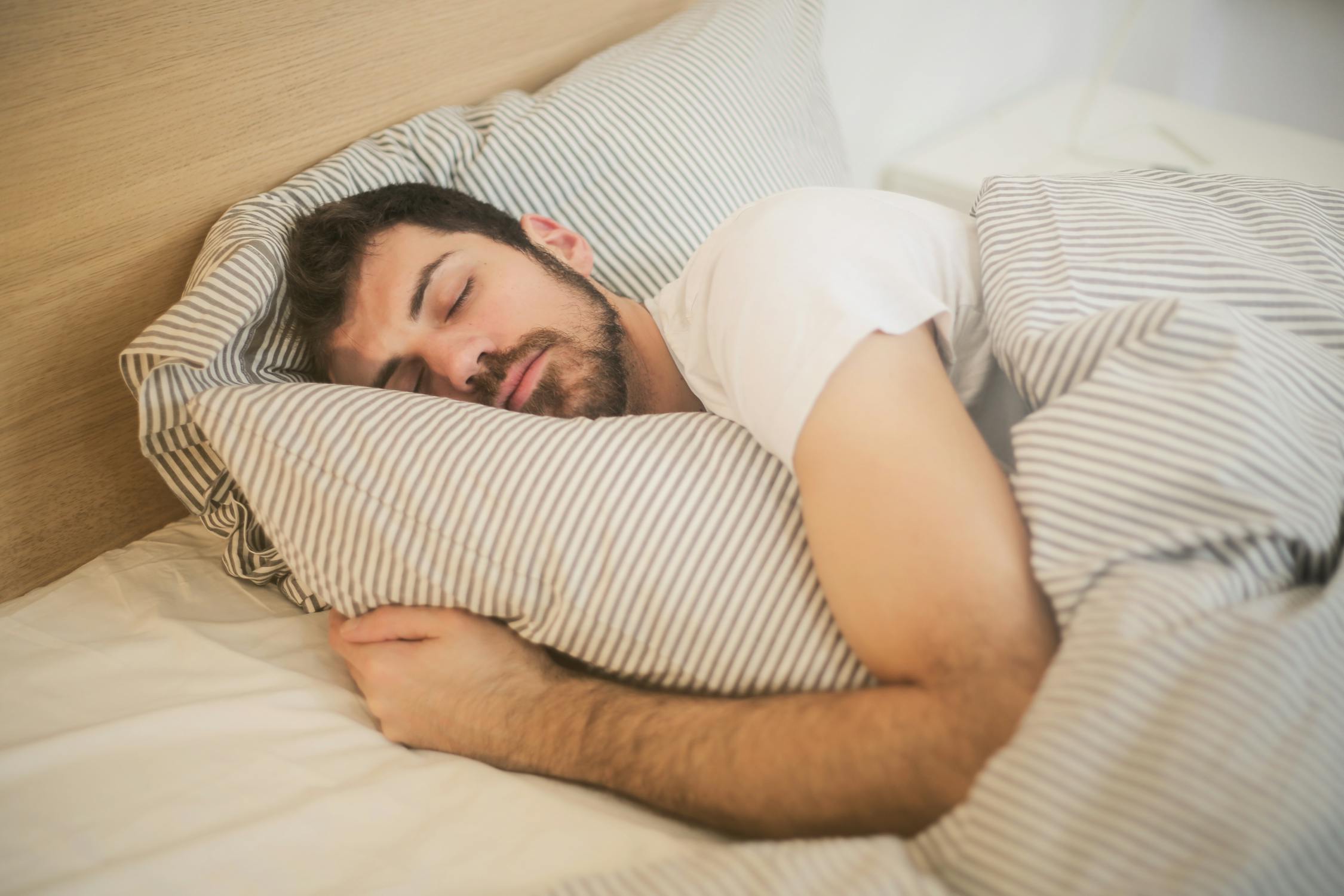
Athlete sleeping deeply in a dark room, emphasizing the link between rest and hormonal recovery

Walk into any gym and you’ll hear athletes and coaches obsessing over protein timing, rep schemes, and the latest periodization models. But the most powerful recovery tool available—a night of deep, structured sleep—barely gets a mention. The conversation around sleep and hormones is full of half-truths. Many athletes think that as long as they’re in bed for eight hours, the job is done. It’s not. The architecture of your sleep, specifically the proportion of slow-wave sleep and the consistency of your circadian rhythm, directly controls the pulsatile release of growth hormone, the suppression of cortisol, and the optimization of testosterone. Focusing on sleep duration while ignoring sleep stages is like counting calories while ignoring macronutrients. The results will suffer.

The Nocturnal Endocrine Factory

Sleep isn’t a flat line of unconsciousness. It’s a dynamic cycle of non-rapid eye movement (NREM) and rapid eye movement (REM) stages, repeating roughly every 90 minutes. The hormonal response is tightly choreographed to these cycles. During the first half of the night, deep NREM sleep—often called slow-wave sleep—dominates. This is the critical window for the hypothalamic-pituitary axis. The pituitary gland releases large pulses of growth hormone (GH), not as a passive byproduct of rest, but as an active response to the specific neurochemical environment of slow-wave sleep. For an athlete, this GH surge drives muscle repair, collagen synthesis, and bone density maintenance. If you cut your sleep short or fail to reach deep stages, you’re literally amputating your body’s primary repair window.

Testosterone and the Circadian Lock

A persistent locker-room myth is that testosterone production is a steady, low-level process. It’s not. Testosterone secretion in men follows a circadian rhythm, peaking during sleep and declining throughout the day. This rise is sleep-dependent, not just time-dependent. Studies show that restricting sleep to five hours a night for a week can slash daytime testosterone levels by 10% to 15% in young, healthy males. The mechanism involves a disruption of luteinizing hormone (LH) pulse amplitude. Without the specific neuroendocrine milieu of consolidated sleep, the pituitary’s signal to the testes weakens. The athlete who boasts about thriving on five hours of sleep is also advertising a self-imposed androgen deficiency.

Close-up of a sleeping athlete wearing a fitness tracker, monitoring sleep stages for optimal recovery

Cortisol: The Catabolic Intruder

While anabolic hormones rely on sleep to hit their peak, the catabolic hormone cortisol follows the opposite pattern. In a healthy rhythm, cortisol levels plummet during the early part of the night, reaching a nadir, before surging in the early morning to help you wake up. Sleep deprivation, or even fragmented sleep, throws this rhythm into chaos. Elevated nocturnal cortisol directly blocks muscle protein synthesis and accelerates protein breakdown. For an athlete, this means a bad night’s sleep doesn’t just leave you tired—it actively eats away at the muscle you’ve worked to build. Chronic sleep loss also blunts the cortisol awakening response (CAR), leaving you sluggish and impairing daytime recovery signaling. The real biochemical marker of recovery isn’t just a high GH spike; it’s the ratio between that spike and a deep cortisol trough, both of which depend on sleep quality.

Sleep Restriction and Insulin Resistance

The hormonal fallout extends to metabolic health. Just a few nights of short sleep can make your peripheral tissues resistant to insulin. Glucose tolerance drops, and your pancreas must pump out more insulin to keep blood sugar in check. For an athlete relying on glycogen replenishment and nutrient partitioning, this is a disaster. High insulin in a cortisol-dominant, catabolic environment shunts calories toward fat storage rather than muscle glycogen. The athlete who trains hard but sleeps poorly often notices an increase in belly fat despite a clean diet. This isn’t a calorie surplus problem; it’s a hormonal partitioning problem driven by sleep loss.

Correcting the Record on Sleep Hygiene

Standard sleep hygiene advice—keep the room dark, avoid screens—is a start, but it’s not enough for hormonal optimization. The real fix requires adjusting training variables to protect sleep architecture. High-intensity training too late in the evening elevates core body temperature and sympathetic nervous system activity, delaying sleep onset and suppressing slow-wave sleep. The resulting drop in GH secretion can cancel out the anabolic stimulus of the workout itself. Schedule high-intensity sessions at least four hours before bed. If evening training is unavoidable, a deliberate cooling protocol—a cold shower or a cooling vest—can speed up the drop in core temperature needed for deep sleep onset.

Nutritional Timing for Nocturnal Hormone Release

What you eat also modulates the sleep-dependent hormone cascade. A common mistake is eating a large, high-glycemic meal right before bed. The resulting insulin spike suppresses GH secretion. But a small, slow-digesting protein source can provide a steady stream of amino acids without blunting the GH pulse. On the flip side, chronically low carbohydrate intake, common in endurance athletes, elevates nocturnal cortisol and fragments sleep. The fix is to ensure adequate carbohydrate intake during the day to prevent hypoglycemia-driven cortisol spikes at night, while keeping the immediate pre-sleep window relatively low in sugar. Magnesium glycinate and glycine supplementation have shown modest but reliable effects on improving sleep efficiency and lowering core temperature, indirectly supporting the hormonal environment.

Athlete sleeping soundly in bed, highlighting the connection between rest and hormonal health

Sleep Tracking and the Data Trap

Wearable sleep trackers are everywhere, but they often give athletes a false sense of security. Consumer devices estimate sleep stages based on movement and heart rate variability, not electroencephalography (EEG). They’re decent at detecting sleep duration but notoriously bad at telling light sleep from deep sleep. An athlete might see a high “deep sleep” score and assume hormonal recovery is on point, when the device is actually misclassifying quiet wakefulness. The smarter approach is to use trackers for trend analysis—monitoring consistency of bedtimes and wake times—rather than obsessing over nightly stage percentages. The most reliable subjective marker of adequate slow-wave sleep is the absence of sleep inertia: waking up refreshed without an alarm, with clear cognitive function within 15 minutes.

Sex Differences in Sleep and Hormonal Response

The sleep-hormone interaction isn’t identical across sexes. Women experience cyclical shifts in sleep architecture tied to the menstrual cycle. During the luteal phase, elevated progesterone raises body temperature and can fragment sleep, while estrogen in the follicular phase promotes deeper sleep. Female athletes who train intensely in a low-energy-availability state often develop functional hypothalamic amenorrhea, which further disrupts sleep-dependent GH and cortisol rhythms. The takeaway: female athletes must periodize not only their training but also their sleep strategies around their cycle, prioritizing sleep extension during the luteal phase to compensate for reduced sleep efficiency.

Practical Protocols for Sleep and Hormonal Optimization

Moving from evidence to practice means ditching the passive “get more sleep” advice and adopting active sleep periodization. Treat sleep as a training variable, adjusting it in response to load. During high-volume or high-intensity blocks, extend sleep duration by 30 to 60 minutes, primarily by advancing bedtime rather than delaying wake time, to protect the early-night GH surge. Napping can help, but timing is everything. A nap longer than 30 minutes or taken after 3 p.m. can reduce sleep pressure and delay deep sleep onset at night, undermining the primary hormonal window. A 20-minute “power nap” before 2 p.m., however, can lower cortisol and improve alertness without compromising nocturnal architecture.

Environmental and Behavioral Levers

Beyond timing, the sleep environment must be engineered for hormonal release. A room temperature of 18–20°C (65–68°F) facilitates the drop in core temperature needed for slow-wave sleep. Complete darkness is non-negotiable; even a small LED light can suppress melatonin and delay the GH pulse. For athletes traveling across time zones, the priority is to immediately anchor the sleep-wake cycle to the new local time using morning light exposure and melatonin timed to the new bedtime. The hormonal system is slow to adapt, and jet lag can uncouple the GH rhythm from sleep for several days, meaning an athlete may be sleeping but not secreting optimal GH. In these cases, reduce training intensity until the rhythm realigns.

FAQ: Sleep and Hormonal Response to Training

Does sleeping longer on weekends compensate for weekday sleep loss?

No. The hormonal architecture of sleep doesn’t work like a bank account where you can deposit extra hours later. Growth hormone secretion is tied to the circadian rhythm and the first slow-wave sleep cycle of the night. If you lose that window on a Tuesday night, sleeping in on Saturday doesn’t trigger a retroactive GH pulse. Weekend recovery sleep can partially reduce cortisol and improve insulin sensitivity, but it can’t fully reverse the anabolic deficit created by chronic sleep restriction. Consistency across the entire week is the only way to maintain optimal hormonal signaling.

Can melatonin supplements enhance growth hormone release?

Melatonin’s primary role is regulating the timing of sleep, not directly stimulating GH secretion. Some studies suggest a modest increase in GH with high-dose melatonin, but the effect is inconsistent and likely indirect—melatonin may improve sleep onset and efficiency, which in turn allows the natural GH pulse to occur. But relying on exogenous melatonin to fix a broken sleep schedule is a band-aid. The more effective strategy is to use light exposure and behavioral timing to strengthen your endogenous melatonin rhythm, which will support the natural GH cascade more reliably than any supplement.

How does alcohol affect sleep-dependent hormone release?

Alcohol is a potent suppressor of slow-wave sleep and GH secretion. Even a single drink close to bedtime can fragment sleep architecture and reduce the amplitude of the nocturnal GH pulse by up to 70%. Alcohol also elevates cortisol during the second half of the night, creating a doubly catabolic environment. For an athlete in a training block, alcohol consumption effectively erases a significant portion of the hormonal recovery that sleep is supposed to provide. The evidence is clear: if hormonal optimization is the goal, alcohol and training are incompatible, especially in the hours before sleep.

Is there a difference between natural sleep and drug-induced sleep for recovery?

Yes, a profound one. Sleep induced by sedatives, including common over-the-counter antihistamines or prescription hypnotics, alters sleep architecture. These drugs often increase light sleep at the expense of deep slow-wave sleep and REM sleep. The result is a state of unconsciousness that lacks the specific neurochemical signature required for optimal GH release and cortisol suppression. An athlete using sleep aids may feel rested but won’t experience the full anabolic benefit of natural sleep. The goal should always be to achieve physiological sleep through behavioral and environmental means, reserving pharmacological interventions for clinically diagnosed sleep disorders under medical supervision.

Categories
Blog

Sleep, Hormones, and Training: What the Evidence Actually Demands

Introduction: The Recovery Variable Nobody Wants to Talk About

Walk into any gym and you’ll hear endless chatter about protein timing, rep schemes, and the latest supplement stack. What you won’t hear much about is the single most powerful recovery tool you already own—sleep. I’ve spent my career studying endocrine responses to exercise, and I can tell you the gap between what athletes do and what the data demands is enormous. The hormonal environment that decides whether your training leads to real adaptation or just chronic fatigue is sculpted while you’re unconscious. Ignore that, and you’re effectively sabotaging your own progress.

Athlete resting with eyes closed after training

The Nocturnal Hormonal Orchestra

Sleep isn’t a flat, inactive state. It’s a carefully choreographed cycle of non-rapid eye movement (NREM) and rapid eye movement (REM) stages, each with distinct neuroendocrine signatures. The first half of the night is dominated by slow-wave sleep (SWS), the deepest NREM stage. This is when the hypothalamic-pituitary axis directs a massive surge of growth hormone (GH)—far larger than anything you’ll see during waking hours, including post-exercise spikes. Fragment this stage, and you don’t just lose “a little” recovery. You chop off the primary anabolic signal your body uses to repair muscle and strengthen bone.

Growth Hormone: The Night Shift Worker

GH released during SWS travels to the liver and triggers production of insulin-like growth factor-1 (IGF-1), which then activates satellite cells for muscle repair and stimulates collagen synthesis in connective tissue. A classic study in the Journal of Clinical Endocrinology & Metabolism showed that selectively suppressing SWS—without reducing total sleep time—slashed GH secretion by as much as 50%. For an athlete, that’s not a trivial dip. That’s the difference between rebuilding stronger tissue and just getting by. The practical message is blunt: the first three to four hours of sleep are sacred. Guard them accordingly.

Cortisol: The Catabolic Counterweight

While GH rises during deep sleep, cortisol follows a nearly opposite rhythm. In a healthy circadian cycle, cortisol hits its lowest point around midnight and climbs in the early morning to help you wake up and mobilize energy. But this elegant pattern is easily wrecked. Short sleep, late-night screen exposure, or lingering psychological stress can keep cortisol elevated well into the night. And when cortisol stays high, it directly antagonizes GH release and promotes protein breakdown. A 2018 review in Sleep Medicine Reviews highlighted that even a single night of four-hour sleep significantly raised evening cortisol and delayed the nocturnal GH surge. If you’re training hard in the evening and then sleeping poorly, you’re essentially bathing your muscles in a catabolic hormone cocktail during the hours they should be repairing.

Person sleeping peacefully in a dark room

Testosterone and Sleep: A Two-Way Street

Testosterone also dances to a circadian beat, rising during sleep and peaking just before you wake. The relationship goes both directions: low testosterone messes with sleep quality, and lousy sleep drags testosterone down. A landmark JAMA study put healthy young men through a week of five-hour sleep restriction. Their daytime testosterone levels fell by 10–15%—a drop comparable to aging a decade or more. For athletes, this isn’t just about libido. Testosterone drives protein synthesis, red blood cell production, and neuromuscular efficiency. Chronic sleep loss essentially mimics a hypogonadal state, quietly undoing the adaptations your training is supposed to create.

REM Sleep and the Testosterone Pulse

Here’s a detail most athletes miss: the bulk of the nocturnal testosterone rise happens during REM sleep, which clusters in the second half of the night. So when you set that 4:30 a.m. alarm for fasted training, you’re disproportionately cutting out REM-rich cycles and the testosterone surge that comes with them. The data suggest that when total sleep time slips below seven hours, testosterone starts to measurably decline—and the steepest drops happen below six hours. Early risers who pride themselves on discipline may be systematically short-changing their own androgen exposure.

What the Training Studies Actually Show

Controlled trials that manipulate sleep alongside resistance training don’t paint a pretty picture. In one 12-week strength program, participants who restricted sleep by two hours per night gained significantly less lean body mass and one-rep-max strength than those who maintained normal sleep. Their hormonal profiles told the story: elevated cortisol-to-testosterone ratios, a classic marker of catabolic dominance. Another trial took collegiate basketball players and extended their sleep to 10 hours per night. Sprint times improved. Shooting accuracy improved. Reaction time improved. Mood and vigor scores went up too. These aren’t marginal effects—they’re the kind of differences that separate medalists from the rest of the pack.

Insulin Sensitivity and Glycogen Replenishment

Beyond the big-name anabolic hormones, sleep regulates metabolic pathways that are just as important for recovery. Even partial sleep deprivation induces insulin resistance in peripheral tissues, which means your muscles become worse at pulling in glucose and restocking glycogen. After a hard session, your glycogen stores are depleted and primed for refilling. Sleep loss slams that window shut. A Diabetes Care study found that a single four-hour night reduced insulin sensitivity by 20–25% in healthy adults. If you’re pounding a high-carb recovery meal after a bad night’s sleep, a chunk of those nutrients may never reach your muscles, instead hanging around in your bloodstream and eventually getting stored as fat.

Athlete sleeping on a mat in a gym setting

Clearing Up the Myths

Plenty of athletes believe they can “catch up” on sleep over the weekend and erase a week of deprivation. The endocrine system doesn’t work like a bank account. While a few nights of recovery sleep can partially restore GH and testosterone, the catabolic and insulin-resistance effects of chronic sleep restriction accumulate. One study showed that even after three full nights of recovery sleep, insulin sensitivity was still impaired following a week of short sleep. Another common belief is that pre-bed supplements like ZMA or melatonin can fully compensate for poor sleep. Magnesium and zinc deficiencies can indeed disrupt sleep, but supplementation only helps if you’re actually deficient. Melatonin might help you fall asleep faster, but it doesn’t recreate the complex hormonal environment of natural, deep sleep.

Napping: A Partial Fix

Strategic naps can offset some deficits, but they’re not a replacement for a solid night’s sleep. A nap that includes slow-wave sleep can trigger a modest GH pulse, and afternoon naps have been shown to lower cortisol and improve later performance. But naps longer than 30 minutes risk sleep inertia—that groggy, disoriented feeling—and late-day naps can disrupt your nighttime sleep architecture. The evidence points to a 20-minute power nap or a full 90-minute cycle ending before 3 p.m. as the sweet spot for athletes.

Practical Protocols for Protecting Your Hormones

Turning the science into practice doesn’t require expensive gadgets. It requires discipline. Here are evidence-based strategies that actually protect the hormonal response to your training:

1. Anchor Your Sleep Schedule

Go to bed and wake up at the same time every day—yes, weekends too. Circadian consistency stabilizes the timing of GH and cortisol pulses. Even a two-hour shift in bedtime can delay the nocturnal GH surge and shrink its amplitude. If you train in the evening, give yourself at least 90 minutes between the end of exercise and lights-out. Your sympathetic nervous system needs time to calm down, and your core temperature needs to drop.

2. Guard the First Half of the Night

Since SWS and the major GH pulse happen mostly in the first three to four hours after you fall asleep, this period is non-negotiable. Avoid alcohol before bed—it fragments SWS and can suppress GH secretion by up to 70%. Keep the bedroom cool, around 16–19°C, to help your core temperature drop enough for SWS entry. If your partner or pet regularly disrupts your sleep, consider separate sleeping arrangements during heavy training blocks. It’s not romantic, but neither are stalled gains.

3. Control Evening Light Exposure

Blue-spectrum light from screens suppresses melatonin and phase-delays your circadian clock, pushing the cortisol nadir later and compressing the GH window. Wear amber-lensed glasses or use screen-filtering software after sunset. Even better, swap screen time for reading or meditation in the 60 minutes before bed. This isn’t wellness fluff—it’s a direct intervention to preserve the hormonal sequence your training depends on.

4. Match Sleep to Training Load

During high-volume or high-intensity phases, your sleep need goes up. Aim for eight to ten hours during these periods, not the standard seven to eight. Use a simple sleep diary or a wearable to track total sleep time and subjective sleep quality. If your morning resting heart rate is elevated or your heart rate variability is suppressed, those are objective signs of incomplete recovery that often correlate with cortisol dysregulation.

FAQ: Sleep and Hormonal Response to Training

Does one night of bad sleep really affect my gains?

Yes, measurably. A single night restricted to four hours can spike evening cortisol, drop next-day testosterone, and impair insulin sensitivity. Your body is resilient and can compensate over subsequent nights, but the training session you do the day after poor sleep will likely deliver subpar performance and blunted anabolic signaling. If bad sleep becomes a pattern, the cumulative effect on lean mass and strength is significant.

Can melatonin supplements fix my sleep and boost growth hormone?

Melatonin can help regulate sleep timing, especially for shift workers or people with delayed sleep phase disorder, but it doesn’t directly stimulate GH secretion. Some studies hint that high-dose melatonin (5 mg or more) might nudge GH upward slightly, but the effect is small and inconsistent compared to the natural SWS-driven pulse. Think of melatonin as a chronobiotic—a tool to anchor your schedule—not an anabolic agent.

Is it better to sleep longer or to nap during the day if I can’t get enough sleep at night?

Consolidated nocturnal sleep wins. It allows the full progression of NREM and REM cycles, which is necessary for the complete hormonal sequence. Naps can provide a partial GH pulse if they contain SWS and can lower cortisol, but they can’t replicate the testosterone and prolactin rhythms of a full night’s sleep. If you have to choose, protect your nighttime window first and use naps only as a supplement.

Conclusion: Sleep Is the Foundation, Not an Accessory

The hormonal response to training isn’t something you can fully control with nutrition or supplements. It’s embedded in a circadian framework that demands respect. When you cut sleep, you’re not just feeling tired—you’re actively shifting your endocrine system toward catabolism, insulin resistance, and androgen suppression. The athletes who make the most consistent gains aren’t usually the ones with the most exotic training programs. They’re the ones who treat sleep as a performance-enhancing behavior with the same rigor they apply to their workouts. The evidence is unambiguous: protect your sleep, or accept that you’re leaving a substantial fraction of your hard work on the table.

Categories
Blog

What Athletes Keep Getting Wrong About Sleep and Hormones

Why Your Post-Workout Hormones Depend on Sleep Quality

Most athletes and gym regulars track macros, reps, and heart rate zones with near-religious devotion. Sleep, though? That gets squeezed into whatever hours are left over. I’ve spent the better part of my career studying how the body’s hormonal machinery responds to physical stress, and the pattern is hard to ignore: when sleep architecture crumbles, training adaptations don’t just stall—they can reverse.

Sleep isn’t a flat, featureless block of rest. It cycles through non-rapid eye movement (NREM) stages 1–3 and REM, each lap lasting about 90 minutes. The deepest NREM phase, slow-wave sleep, dominates the first half of the night. That’s when the body unleashes its largest hormonal surges. REM sleep, which accumulates in the early morning hours, handles emotional recalibration and motor learning. Disrupt either phase, and the hormonal environment your training depends on starts to unravel.

Athlete resting after training, highlighting the link between sleep and recovery

Growth Hormone and the Slow-Wave Sleep Window

Human growth hormone (GH) doesn’t drip out steadily. It arrives in pulses, and the largest one is locked to the first slow-wave sleep cycle of the night. During that deep sleep window, growth hormone-releasing hormone (GHRH) from the hypothalamus signals the pituitary to fire off a massive GH burst. In young adults, this single pulse can account for up to 70% of the day’s total GH output. GH then prompts the liver to produce insulin-like growth factor 1 (IGF-1), which drives protein synthesis and tissue repair.

Shorten or fragment sleep, and that slow-wave sleep window shrinks. GH pulse amplitude drops sharply. One study in The Journal of Clinical Endocrinology & Metabolism found that restricting sleep to four hours for just two nights slashed peak GH secretion by more than 60% in healthy men. For an athlete, that means slower muscle repair, weaker collagen synthesis, and a reduced ability to adapt to resistance or endurance work. The irony is thick: waking up early for fasted cardio or squeezing in a late-night session often undercuts the very hormonal response the workout was meant to trigger.

Cortisol Dysregulation Mimics Overtraining

Cortisol has a natural rhythm—high in the morning, tapering through the day, bottoming out around midnight. Sleep loss flattens that slope. Evening cortisol stays elevated, and the nocturnal dip gets delayed. Chronically high cortisol accelerates muscle protein breakdown, suppresses testosterone and GH, and encourages visceral fat storage and insulin resistance. The metabolic picture starts to look like overtraining syndrome, even when training volume hasn’t changed.

In my own work with sleep-deprived athletes, I’ve seen resting heart rates climb, C-reactive protein rise, and the testosterone-to-cortisol ratio tank. That ratio is a practical recovery biomarker. A low reading after a string of bad nights signals a catabolic state where muscle loss and immune suppression are real threats. Fixing sleep duration and timing often brings the ratio back in line faster than any supplement or dietary adjustment.

Testosterone and the REM Connection

In men, testosterone secretion is heavily sleep-dependent. The largest pulses surface during REM sleep, especially in the second half of the night. Cut sleep to five hours for a week, and daytime testosterone can drop 10–15% in otherwise healthy young males. The mechanism? Disrupted hypothalamic-pituitary-gonadal signaling reduces luteinizing hormone (LH) pulse amplitude, so the Leydig cells in the testes get a weaker stimulus.

For athletes, the fallout is tangible. Lower testosterone slows glycogen replenishment, dampens red blood cell production, and saps neuromuscular drive. That feeling of “heavy legs” or lingering soreness after a routine session often traces back to sleep debt, not overtraining. Testosterone isn’t just a sex hormone; it’s a recovery hormone that governs tissue remodeling and CNS readiness.

Person sleeping deeply, representing the hormonal recovery phase

Leptin, Ghrelin, and Appetite Sabotage

Sleep loss also throws appetite-regulating hormones out of balance. Leptin, released by fat cells, signals satiety and nudges energy expenditure upward. Ghrelin, from the stomach, screams hunger. After a single night of four to five hours of sleep, lab studies show leptin can drop by 18% while ghrelin jumps 28%. The resulting cravings don’t target steamed broccoli—they aim straight for calorie-dense, high-carb foods.

For athletes trying to make weight or fine-tune body composition, this is a quiet disaster. It erodes dietary discipline and, paired with elevated cortisol, promotes fat gain. I’ve seen athletes baffled by sudden weight creep or uncontrollable cravings. Often, the culprit isn’t the diet plan—it’s the sleep schedule. Restore consistent, adequate sleep, and the appetite signals often normalize on their own.

Sleep Hygiene as a Performance Tool

Given the hormonal evidence, sleep hygiene deserves the same rigor as a training program. I recommend a few non-negotiables: fixed bed and wake times (yes, even on weekends), a dark bedroom kept between 16–19°C, and a screen-free wind-down starting 60–90 minutes before lights out. For athletes stuck with early morning sessions, a 20–30-minute nap can partially offset slow-wave sleep loss, though it won’t fully replace the GH pulse from a truncated night.

Nutritional timing matters too. A small, protein-rich snack—say, 150g of cottage cheese or a casein shake—about 30 minutes before bed supplies a slow-release amino acid pool that supports overnight muscle protein synthesis without spiking insulin enough to block nocturnal fat burning. But a heavy meal within two hours of sleep raises core temperature and delays slow-wave sleep onset, blunting the GH pulse.

Correcting Common Misconceptions

Misconception 1: “I can catch up on sleep during the weekend.” Hormonal rhythms don’t work on a weekly ledger. GH pulse amplitude and testosterone secretion depend on circadian consistency. Sleeping ten hours on Saturday won’t restore the anabolic signaling lost during five nights of deprivation. The debt is paid in impaired tissue repair, not in hours.

Misconception 2: “Melatonin supplements fix everything.” Exogenous melatonin can help shift circadian phase, but it doesn’t increase slow-wave sleep duration or GH pulse amplitude. It’s a chronobiotic, not a recovery agent. Relying on melatonin while keeping poor sleep habits is like taking creatine without training—the substrate is there, but the stimulus is missing.

Misconception 3: “Alcohol helps me sleep.” Alcohol is a potent REM suppressant. Even moderate evening intake fragments sleep architecture, reduces REM density, and delays the first REM period. Since testosterone secretion is REM-dependent, habitual alcohol use before bed chronically lowers nocturnal testosterone output, impairing recovery and libido.

Athlete sleeping in a dark, cool room for optimal hormonal recovery

Practical Monitoring for Athletes

I tell athletes to track three simple metrics: sleep duration (aim for 7–9 hours), sleep efficiency (time asleep divided by time in bed, target >85%), and subjective sleep quality upon waking. Wearables can estimate sleep stages, but their accuracy for deep sleep detection is still shaky. A more reliable check is the morning orthostatic test: measure resting heart rate and heart rate variability (HRV) while lying down, then again after standing for two minutes. A suppressed HRV and elevated standing heart rate often point to incomplete autonomic recovery from poor sleep.

When these markers trend downward for three consecutive days, I recommend a deliberate reduction in training intensity—not total rest, but a shift to low-impact, technique-focused work—until sleep metrics normalize. This proactive adjustment can prevent the hormonal cascade that leads to overtraining.

FAQ

How quickly does sleep deprivation affect athletic hormones?
Even a single night of partial sleep loss (4–5 hours) can raise evening cortisol and reduce next-day testosterone by 10–15%. GH secretion is blunted immediately during the first deep sleep cycle. Two to three consecutive nights compound these effects, impairing muscle protein synthesis and immune function.

Can napping compensate for lost nocturnal GH pulses?
Naps can provide a small GH pulse if they contain slow-wave sleep, but the magnitude is typically less than 30% of a full night’s SWS-associated GH release. Naps are best used to reduce cortisol and improve alertness, not as a primary recovery strategy.

Does sleep quality affect estrogen and progesterone in female athletes?
Yes. Sleep disruption alters LH pulsatility, which can suppress ovarian hormone production. In female athletes, chronic sleep loss is associated with menstrual irregularities and a higher risk of bone stress injuries, partly mediated by reduced estrogen’s osteoprotective effects.

Is there an ideal bedtime for maximizing anabolic hormone release?
The first SWS period, when GH peaks, typically occurs before midnight in individuals with a conventional circadian phase. Consistently sleeping from 10 p.m. to 6 a.m. aligns with natural melatonin and GH rhythms. However, individual chronotype matters; the key is consistency and sufficient total sleep time.

Categories
Blog

Sleep: The Hormonal Lever Most Athletes Leave on the Table

If you train seriously, you track sets, reps, macros, and maybe even heart rate variability. But the most powerful hormonal tool you own is free, happens every night, and gets ignored more often than not. I’m Dr. Kenji Ota, and in my clinic I see athletes who plan every meal down to the gram and log every minute of training, yet they wreck their progress with five or six hours of restless sleep. The research tells a blunt story: sleep isn’t just a passive pause button. It’s an active endocrine event that steers how your body responds to the stress you put it through. This article sets the record straight on a few stubborn myths and walks you through the precise, evidence-based link between sleep architecture and the hormones that control muscle repair, fat metabolism, and performance.

The Endocrine Night Shift: What Really Happens After Lights Out

Sleep isn’t a flat block of unconsciousness. It cycles through NREM stages 1–3 and REM sleep in roughly 90-minute loops. The deepest stage, slow-wave sleep (NREM stage 3), dominates the first half of the night. That’s when the hypothalamic-pituitary axis fires off its strongest anabolic signal. Growth hormone secretion is locked to slow-wave sleep onset. In healthy young men, as much as 70% of the day’s total GH output spills out during these deep-sleep windows. Miss that window by sleeping only five or six hours, and you’re literally cutting off your body’s main repair signal mid-stream.

At the same time, the hypothalamic-pituitary-adrenal (HPA) axis is supposed to quiet down. Cortisol—the catabolic hormone that tears down tissue and pushes back against testosterone—hits its lowest point early in the night. Short sleep keeps cortisol hanging around longer and sends it climbing earlier in the morning. The net effect? A squeezed anabolic window: less GH, more cortisol, and a protein balance that leans toward breakdown instead of rebuilding.

Testosterone: More About Your Pillow Than Your Squat Rack

Gym lore loves to credit heavy squats and egg yolks for testosterone, but the bulk of a man’s daily testosterone release happens during sleep. A study in the Journal of the American Medical Association found that young men restricted to five hours of sleep for a week saw their daytime testosterone sink by 10–15%. That’s not a rounding error. A 15% drop can push a guy from the 75th percentile to the 25th for his age—enough to erase the edge that consistent training and clean eating should provide.

The physiology is direct. Sleep onset triggers a surge in luteinizing hormone, which tells the Leydig cells in the testes to produce testosterone. That LH pulse is sleep-dependent, not just a circadian event. Stay awake, and the pulse is weak or absent. No morning workout, no cold shower, no supplement stack can retroactively fill that gap.

Cortisol Dysregulation: When Your Stress Hormone Stays Stuck On

Some athletes wear high cortisol like a badge of intensity. That’s a mistake. Cortisol has its place—it mobilizes energy during a tough session—but chronically elevated cortisol from sleep debt creates a catabolic soup that resists any attempt at building muscle. It ramps up myofibrillar protein breakdown, blocks amino acid transport into muscle, and puts a lid on IGF-1 production in the liver. You can eat enough protein and still lose tissue if your cortisol rhythm is out of whack.

Sleep loss also gums up the HPA axis’s negative feedback loop. Normally, cortisol quiets its own release by binding to glucocorticoid receptors in the hippocampus. Sleep deprivation downregulates those receptors, so cortisol escapes its own brake. That sets up a nasty cycle: high cortisol fragments sleep further, which keeps cortisol elevated. Athletes who train hard and sleep poorly often show up with what looks like overtraining syndrome. In many cases, it’s just chronic sleep debt wearing a different name tag.

Athlete sleeping deeply in a dark room, highlighting the importance of sleep for hormonal recovery

Ghrelin, Leptin, and the Hunger Hijack

Sleep loss doesn’t just mess with anabolic hormones; it rewires the ones that control appetite and body composition. After two nights of four-hour sleep, ghrelin—the hunger hormone—jumps by 28%, while leptin—the satiety signal—drops by 18%, according to the foundational work by Spiegel and colleagues. That ratio shift sends cravings straight toward hyper-palatable, calorie-dense foods. It’s not a willpower failure. It’s a neuroendocrine hijack, and it pushes even disciplined athletes toward choices they’d never make when well-rested.

On top of that, sleep restriction dulls insulin sensitivity. A single night of four-hour sleep can cut whole-body insulin sensitivity by 20–25%, a hit comparable to six months on a high-fat diet. For athletes who rely on precise nutrient timing to refill glycogen and shuttle amino acids, that insulin resistance blunts post-workout recovery. Glucose hangs around in the bloodstream, cortisol stays high, and muscle glycogen resynthesis slows to a crawl. The athlete feels flat, tired, and soft despite doing everything “right” in the gym.

Sleep Extension: A Legal, Free Performance Enhancer

If losing sleep is catabolic, can getting more be anabolic? The data lean toward yes. A well-known Stanford study had varsity basketball players extend their sleep to at least ten hours a night for five to seven weeks. Sprint times dropped, shooting accuracy climbed by 9%, and daytime sleepiness fell off a cliff. The study didn’t directly measure muscle protein synthesis, but the performance jumps point to a repaired hormonal environment. Other work shows that sleep extension boosts GH pulse amplitude and brings the testosterone-to-cortisol ratio back in line.

For strength athletes, the message is straightforward. A deliberate sleep extension protocol—shooting for eight to ten hours, especially during high-volume training blocks—works as a natural, legal performance enhancer. It costs nothing, needs no prescription, and the only side effects are a better mood and sharper thinking.

Quality vs. Quantity: Why Sleep Architecture Matters

Eight hours in bed doesn’t guarantee eight hours of restorative sleep. Sleep efficiency—the percentage of time in bed actually spent asleep—needs to stay above 85% for optimal hormonal output. Fragmented sleep, even if the total hours look okay, suppresses GH pulses because every arousal resets the slow-wave sleep cycle. Common culprits include alcohol, late caffeine, and blue light. Alcohol is especially sneaky: it knocks you out faster but suppresses REM sleep in the first half of the night and triggers a rebound sympathetic surge in the second half. You end up with a night of shallow, non-restorative sleep that never delivers the expected GH surge.

Temperature control is another detail most people overlook. Slow-wave sleep needs a core body temperature drop of about 0.5–1.0°C. A too-warm room or heavy bedding can blunt that shift and eat into deep sleep duration. The sweet spot is a cool (16–19°C), dark, quiet bedroom. These aren’t minor preferences; they’re physiological must-haves for the hormonal cascade that drives recovery.

Person sleeping in a cool, dark bedroom environment optimized for deep sleep and hormonal recovery

Correcting Common Misconceptions

Misconception 1: “I’ll just catch up on sleep over the weekend.” The endocrine system doesn’t work on a weekly balance sheet. One study showed that even after three nights of recovery sleep, insulin sensitivity and cortisol rhythms were still off following five nights of restriction. The damage piles up and isn’t fully erased by a couple of long sleeps. Consistency is the only thing that actually works.

Misconception 2: “Melatonin supplements will fix it.” Melatonin is a circadian signal, not a sleep drug. It can help shift the timing of sleep but doesn’t increase slow-wave sleep duration or boost GH release. Overusing exogenous melatonin might even desensitize receptors and mess with your own production. It’s a tool for jet lag and shift work, not a nightly crutch for athletes.

Misconception 3: “If I train hard enough, my body will be forced to sleep.” Overtraining without enough sleep creates a state of sympathetic overdrive. Elevated catecholamines and cortisol make it hard to fall asleep and cut into deep sleep. The athlete lies in bed with a racing heart, frustrated, not realizing the training itself has become the sleep disruptor. The fix isn’t to train harder; it’s to periodize sleep right alongside training load.

A Practical Protocol for Hormonal Optimization

Based on the evidence, here are the non-negotiable sleep hygiene practices I recommend for athletes who want to get the most hormonal bang out of their training:

  • Set a fixed sleep-wake schedule. Same bedtime, same wake time, every day—weekends included. This locks in your circadian rhythm and keeps GH pulse timing consistent.
  • Target 8–9 hours of sleep opportunity. If you need to be up at 6 AM, get into bed by 9:30 PM with lights out by 10 PM. The extra buffer accounts for the time it takes to actually fall asleep.
  • Cut alcohol within four hours of bedtime. Even one drink can fragment the second half of the night and suppress the REM rebound.
  • Stop caffeine by 2 PM. Caffeine’s half-life is 5–6 hours. A 4 PM coffee means 25% of the dose is still kicking at 10 PM—enough to delay sleep onset and shave off deep sleep.
  • Build a pre-sleep routine. Dim the lights, put screens away, and do something relaxing (reading, light stretching) for 30–60 minutes before bed. This helps the natural drop in core temperature and cortisol.
  • Keep the bedroom cool and dark. Use blackout curtains and set the thermostat to 16–19°C. If you tend to overheat, try a cooling mattress pad.

Monitoring Your Progress

Subjective sleep logs are okay, but they have limits. For athletes who want hard data, wearable devices that track heart rate variability and sleep stages can give you feedback on sleep quality. A rising HRV trend and more deep sleep time suggest your protocol is working. Just don’t get obsessive—the point is to guide behavior, not to create sleep anxiety, which raises cortisol all on its own.

Athlete waking up naturally without an alarm, indicating sufficient sleep and hormonal balance

FAQ: Sleep and Hormonal Response to Training

How quickly does sleep loss affect testosterone?

Testosterone can drop after a single night of restricted sleep (4–5 hours). The decline shows up the next morning and gets worse with each consecutive bad night. Getting back to normal takes multiple nights of adequate sleep, not just one long catch-up session.

Can napping make up for lost nighttime sleep?

Naps can take the edge off daytime sleepiness and help with focus, but they don’t reproduce the full hormonal profile of a consolidated night’s sleep. The big GH pulse happens during the first slow-wave sleep cycle of the night, and a nap can’t reliably recreate that. Naps are a supplement, not a replacement.

Does sleep affect women’s hormones differently than men’s?

Yes, though the research is thinner. Sleep restriction in women disrupts the pulsatility of luteinizing hormone, which can throw off estrogen and progesterone rhythms. That has implications for menstrual regularity, bone density, and recovery. The anabolic resistance from high cortisol and low GH hits both sexes, but women may be more sensitive to insulin resistance caused by sleep loss.

Is there an ideal sleep position for hormonal release?

No direct evidence says sleep position changes GH or testosterone secretion. But positions that compromise breathing—like sleeping on your back if you have undiagnosed obstructive sleep apnea—can cause frequent arousals and oxygen dips, which fragment sleep and blunt hormonal output. Side sleeping is generally a safer bet for keeping the airway open.

Categories
Blog

Why Your Hormones Don’t Care How Many Hours You Were in Bed

Athlete sleeping in a dimly lit room

I’ve sat across from athletes who can recite their daily macro split down to the gram, their weekly mileage to the tenth of a mile, and their caffeine intake to the milligram. Then I ask about their sleep architecture, and I get a blank look. After twenty years in the lab tracking endocrine responses to training stress, I can say this plainly: the hours between your last set and your alarm are not a passive pause. They’re an active, hormonally choreographed recovery window. And most people are getting it wrong.

Three big mistakes keep coming up. One, athletes fixate on total sleep time and ignore what happens inside those hours. Two, they assume a hard workout late at night is just a hard workout—no lingering endocrine bill to pay. Three, they treat weekend sleep like a bank account, believing a Saturday lie-in can erase a week of short nights. None of this holds up under the data. Let’s walk through what actually happens in a sleeping body, which hormones rise and fall during each stage, and what you can do tonight to sharpen your own internal recovery pharmacy.

Why Sleep Architecture Matters More Than Total Hours

“I got my eight hours” is a badge of honor I hear constantly. But time in bed is a crude measure. A healthy night isn’t a monolith; it’s a sequence of roughly 90-minute cycles, each moving through NREM stages 1, 2, and 3, then REM. The balance shifts as the night progresses. Early cycles are heavy with slow-wave sleep—the deepest NREM stage. Later cycles tilt toward REM. If you wake often, cut the night short, or keep an erratic bedtime, you can lose entire chunks of a specific stage. And that stage might be the one your body needed most for repair.

Slow-wave sleep is the big hormonal event. The pituitary gland releases growth hormone in large, pulsatile bursts during the first few SWS episodes. In young men, these bursts can account for roughly 70% of total daily GH output. GH drives protein synthesis, helps mobilize fat, and strengthens bone. Chop your sleep to five or six hours, and you’re not just tired—you’ve sliced off the part of the night where GH peaks. IGF-1 levels drop accordingly, and muscle repair slows. You can’t make up that deficit with a cold plunge or an extra scoop of whey in the morning.

REM sleep, which dominates the later cycles, handles a different kind of recovery. The brain replays and refines motor patterns, locking in skills you practiced during the day. For an athlete working on a new movement—a snatch, a golf swing, a corner kick—REM is where that learning sticks. Cortisol, which stays low through the first half of the night, begins its pre-waking climb during these REM periods. That morning cortisol bump primes your system for the day. Shorten the night, and you flatten that rise. You wake up feeling dull, even if the clock says you were in bed for a respectable stretch.

The Testosterone-Cortisol Axis: A Delicate Trade-Off

Training progress depends heavily on the testosterone-to-cortisol ratio. Testosterone supports protein synthesis and red blood cell production. Cortisol, in normal rhythms, is essential—but when it stays high too long, it turns catabolic, breaking down tissue. Sleep loss tilts the seesaw the wrong way. One night of four hours’ sleep can knock morning testosterone down 10–15% in healthy men. Worse, it delays the evening drop in cortisol, so the hormone lingers when it should be bottoming out. The body spends more hours in breakdown mode.

Here’s the trap: athletes often tell me they “feel fine” after a bad night. Subjective feeling is a lousy biomarker. In controlled trials, men sleeping five hours a night for a week showed a 10–15% testosterone drop and a clear rise in evening cortisol, yet their mood and perceived effort scores didn’t always budge. The disruption is quiet—until performance craters or an injury shows up.

Athlete resting with eyes closed in a quiet bedroom

Late-Night Training: The Cortisol Trap

Hard exercise spikes cortisol. That’s normal and useful—it mobilizes fuel and manages inflammation. The trouble starts when that spike collides with the evening window when cortisol should be falling toward its lowest point. A heavy squat session or HIIT workout that wraps up at 9 p.m. can keep cortisol elevated past midnight. That delays sleep onset and dampens the GH pulse that normally arrives soon after you drift off. The GH pulse is sensitive to timing. Push sleep back by two hours, and you don’t just shift the pulse later; you often shrink it.

This isn’t a blanket ban on evening training. Moderate aerobic work in the early evening can actually lower cortisol and improve sleep, likely through a parasympathetic rebound. The variables that matter are intensity, duration, and how close you are to bedtime. High-intensity efforts should finish at least three hours before you turn in, giving your sympathetic nervous system time to settle and your core temperature a chance to drop. Without that temperature decline, sleep onset drags and slow-wave sleep gets choppy.

Nutrition Timing and the Nocturnal Hormonal Environment

What you eat before bed can either help or sabotage the hormonal landscape overnight. A large, high-fat meal right before sleep slows gastric emptying and raises core temperature—both enemies of falling asleep quickly. A small, protein-rich snack 30–60 minutes before bed, on the other hand, supplies amino acids for overnight muscle protein synthesis without wrecking sleep architecture. Casein works especially well because it clots in the stomach and releases amino acids slowly. A 2012 study in Medicine & Science in Sports & Exercise showed that 40 grams of casein before bed boosted overnight muscle protein synthesis by 22% over a placebo, with no disruption to sleep stages.

Carbohydrate timing matters too. A high-glycemic meal four hours before bed can shorten the time it takes to fall asleep, but it may cut into slow-wave sleep if it triggers a reactive blood sugar dip during the night. A low-glycemic meal, or a small protein-only snack, sidesteps that problem. Alcohol is a well-known sleep saboteur. It might knock you out faster, but it suppresses REM in the first half of the night and causes a sympathetic rebound in the second half, fragmenting sleep and flattening the normal GH and testosterone rhythms.

Sleep Environment and Hormonal Optimization

Your core temperature needs to fall about 1°C to start and sustain sleep. For most people, a bedroom between 16–19°C (60–67°F) hits the sweet spot. A room that’s too warm cuts into slow-wave sleep and GH release. Light is another potent endocrine signal. Even dim light during sleep—a clock face, a phone notification, streetlight leaking through curtains—can suppress melatonin and push your circadian phase later. Melatonin doesn’t directly boost GH or testosterone, but it gates sleep timing, and proper timing is what lets the hormonal sequence play out.

Blue light from screens is especially disruptive because the retinal ganglion cells that signal the brain’s clock are most sensitive to wavelengths around 480 nm. Exposure within two hours of bedtime can shift your circadian rhythm later, making it harder to fall asleep at a consistent time. Consistency itself is one of the strongest predictors of healthy hormonal rhythms. Shift workers, who constantly rotate their sleep schedules, show significantly lower testosterone and flatter cortisol rhythms than day workers on fixed schedules—even when total sleep duration is matched.

Person sleeping soundly in a dark, cool bedroom

A Practical Protocol for the Training Athlete

Here’s what I tell athletes who want to squeeze the most hormonal benefit out of their sleep, based on the evidence we have right now:

  • Set a fixed wake-up time, seven days a week. This anchors your circadian rhythm and keeps the cortisol awakening response consistent. Sleeping in on weekends doesn’t “repay” lost slow-wave sleep; it just shifts your rhythm, making Monday morning feel like jet lag.
  • Target 7–9 hours of actual sleep, not just time in bed. If you need an alarm to wake up, you’re probably not getting enough. Add 30 minutes to your sleep opportunity and reassess after two weeks.
  • Schedule high-intensity training before 6 p.m. If you must train late, stick to low-intensity, skill-based work or steady-state cardio. Save heavy lifts and sprints for the morning or early afternoon, when the cortisol response aligns with the body’s natural peak.
  • Build a 60-minute pre-sleep routine. Dim the lights, avoid screens, and do something non-stimulating—read a physical book, stretch lightly, practice breathing exercises. This lets sympathetic tone drop and parasympathetic activity take over.
  • Optimize the bedroom. Keep temperature at 16–19°C, use blackout curtains or an eye mask, and consider earplugs if noise is an issue. Remove all light-emitting devices.
  • Consider a pre-sleep protein snack. 20–40 grams of casein or a casein-whey mix, taken 30 minutes before bed, can support overnight muscle repair without disrupting sleep architecture.

FAQ: Sleep and Hormonal Recovery

Does napping compensate for lost nighttime sleep?

Naps can partly restore alertness and cognitive function, but they don’t replicate the full hormonal profile of a complete night. A short nap (20–30 minutes) mostly contains NREM stage 1 and 2, with little to no slow-wave or REM sleep. Longer naps (90 minutes) can include a full cycle, but they’re not a substitute for the cumulative hormonal benefits of a full night. Use naps as a supplement, not a replacement.

Can melatonin supplements improve testosterone or GH levels?

Melatonin is a circadian regulator, not a direct anabolic agent. It can help shift sleep timing if your schedule is misaligned—jet lag or delayed sleep phase syndrome, for example—but it doesn’t independently raise testosterone or GH. In fact, excessive doses (above 0.5–1 mg) can cause next-day grogginess and may blunt the natural cortisol awakening response. Use it sparingly and only for circadian adjustment, not as a nightly sleep aid.

How quickly do hormonal disruptions from poor sleep recover?

Recovery depends on the duration and severity of sleep loss. After a single night of restricted sleep, testosterone and cortisol rhythms can normalize within one to two nights of adequate sleep. Chronic sleep restriction over multiple weeks, however, can lead to longer-lasting changes in the hypothalamic-pituitary-gonadal and hypothalamic-pituitary-adrenal axes. Full restoration may take one to two weeks of consistent, high-quality sleep. The key is consistency; one long sleep after a week of deprivation doesn’t immediately reset the system.

Is there a difference between sleep quality in men and women regarding training recovery?

Yes, though the research is thinner for women. Men show clearer GH pulses tied to slow-wave sleep, while women tend to have more frequent, lower-amplitude GH secretion throughout the day and night. Women’s hormonal responses to sleep loss also vary across the menstrual cycle. During the luteal phase, when progesterone is high, sleep architecture is naturally more fragmented, and added sleep restriction can worsen cortisol elevations. Female athletes should pay extra attention to sleep during the premenstrual week and consider extending sleep opportunity during that time.

Sleep isn’t a passive state. It’s the most potent, legal, and underused recovery tool every athlete has. When you prioritize sleep architecture—not just hours—you’re directly shaping the hormones that decide whether your training leads to adaptation or stagnation. The evidence is clear. The protocol is simple. The only thing left is your discipline to follow it.

Categories
Blog

Sleep Architecture and Hormonal Recovery: What Athletes Get Wrong

If you train like a pro but treat sleep like an optional extra, you’re shortchanging your own results. Most recovery talk revolves around protein timing, hydration strategies, and foam rolling. Sleep gets a nod, sure, but rarely the kind of attention that matches its actual role. I’ve spent years studying how the endocrine system responds to training stress, and I keep seeing the same blind spot: athletes who weigh every gram of food and map out every microcycle, yet leave the most anabolic window of the day completely unstructured.

This piece sets out to fix a few stubborn misunderstandings about sleep and hormonal recovery. We’ll walk through how distinct sleep stages regulate testosterone, growth hormone, and cortisol, and why when you sleep can matter just as much as how long. No fluff—just the mechanisms that actually drive repair and adaptation, so you can stop working against yourself.

Sleep Architecture: A Quick Primer

Sleep isn’t a flat, featureless state. It’s built in repeating cycles of roughly 90 minutes, alternating between non-rapid eye movement (NREM) and rapid eye movement (REM) sleep. NREM itself breaks down into three depths: N1, the drowsy drift-off; N2, where sleep spindles and K-complexes stabilize sleep; and N3, slow-wave sleep—the deep, restorative stage. The night isn’t a random shuffle of these stages. Slow-wave sleep dominates the first half of the night, while REM sleep piles up in the later cycles, especially near morning.

For anyone training seriously, this architecture isn’t just academic trivia. The body’s biggest hormonal pulses are locked to specific sleep stages. When you push bedtime later—whether by choice, late sessions, or doom-scrolling—you’re carving into slow-wave sleep disproportionately. And that’s the stage where a lot of the endocrine heavy lifting happens.

Athlete resting after training

Growth Hormone: The Slow-Wave Sleep Connection

Growth hormone (GH) isn’t just a teenage hormone. In adults, it drives protein synthesis, fat breakdown, and tissue remodeling. The biggest natural GH pulse of the day doesn’t happen after a workout or a steak dinner—it fires shortly after you fall asleep, during the first deep bout of slow-wave sleep. Polysomnography studies with frequent blood draws confirm that the size of this pulse tracks closely with how much slow-wave sleep you get in that first cycle.

When sleep is cut short or fragmented—think late-night training, a couple of drinks, or high mental stress—the GH surge shrinks. And not by a little. Experiments that selectively suppressed slow-wave sleep saw nocturnal GH secretion drop by more than half. Over a training block, that’s a serious hit to muscle repair and adaptation. You’re essentially paying for the training stimulus but not collecting the full hormonal dividend.

One of the most common workarounds I hear is, “I’ll just sleep in on the weekend.” That logic fails because the GH pulse is tied to circadian timing, not just total sleep hours. The early part of the biological night primes the system for GH release. Going to bed at 2 a.m. and waking at 10 a.m. doesn’t recreate the hormonal environment of a 10 p.m.–6 a.m. schedule. The pulse shifts to a less favorable circadian phase and loses amplitude, even if you clock the same hours in bed.

Testosterone: Daily Rhythm and Sleep Debt

In men, testosterone follows a clear daily arc: it peaks in the early morning and slides downward through the day. That rhythm depends partly on sleep. When sleep is restricted to four or five hours for several nights in a row, daytime testosterone levels fall measurably. One study in young, healthy men found that a week of five-hour nights knocked daytime testosterone down by 10–15%. That’s not a rounding error—it’s a meaningful shift for muscle protein synthesis, mood, and libido.

The mechanism runs through the hypothalamic-pituitary-gonadal axis. Sleep loss messes with the pulsatile release of luteinizing hormone (LH), the signal that tells the testes to produce testosterone. With fragmented or short sleep, LH pulse amplitude drops, and the testes get a weaker call to action. This isn’t permanent hypogonadism, but it’s a transient suppression that, repeated across a season, can dull training adaptations.

Women aren’t off the hook. Testosterone circulates at lower levels but still supports muscle maintenance and recovery. Sleep restriction also disturbs the hypothalamic-pituitary-ovarian axis, shifting estrogen and progesterone rhythms. Those changes can affect energy metabolism and ligament integrity—factors that rarely make it into recovery plans for female athletes.

Cortisol: The Misunderstood Hormone

Cortisol gets painted as the villain—the catabolic hormone that eats muscle and stores fat. That’s too simple. Cortisol has a healthy circadian rhythm: it spikes in the early morning to get you alert, then tapers off through the day, bottoming out around midnight. This rhythm supports immune function, metabolism, and even memory consolidation.

Sleep loss disrupts cortisol in two ways. Acute deprivation pushes evening cortisol up, blunting the natural trough. Chronic short sleep flattens the whole diurnal slope, so cortisol hangs around at moderate levels day and night. That pattern is linked to insulin resistance, more abdominal fat, and slower muscle repair—all outcomes that fight against what you’re trying to achieve in the gym or on the track.

What many athletes miss is that late-night training itself can yank the cortisol rhythm off course. High-intensity work within two hours of bedtime raises cortisol and core temperature right when both should be dropping. The result: delayed sleep onset, less slow-wave sleep, a blunted GH pulse, and a cortisol rhythm that stays out of whack. It’s a self-reinforcing loop of lousy recovery.

Person sleeping with wearable tracker

Sleep Restriction and Performance Markers

Beyond hormones, short sleep chips away at performance through several channels. Reaction time, decision-making, and motor coordination all take a hit. For strength and power athletes, maximal voluntary contraction force and time to exhaustion drop after even one night of partial sleep loss. Endurance athletes see shorter time to exhaustion and higher perceived effort at submaximal intensities.

These declines aren’t just “feeling tired.” They reflect real changes in central nervous system function—reduced motor cortex excitability, altered autonomic balance. The sympathetic nervous system stays overactive, while parasympathetic recovery gets muted. Heart rate variability (HRV), a go-to recovery metric, falls sharply after sleep restriction, signaling less vagal tone and poorer readiness.

Here’s a point that popular training advice often skips: sleep loss also weakens your body’s ability to profit from training. You can nail a high-quality session, but if you sleep poorly afterward, the anabolic window narrows. You’ve paid for the stimulus but collected only a fraction of the adaptation.

Sleep Extension: A Performance Intervention

If cutting sleep hurts hormonal recovery, does extending it help? The evidence says yes, within reason. Studies with basketball players found that stretching sleep to 10 hours a night for several weeks improved sprint times, shooting accuracy, and reaction time. Swimmers who extended sleep turned in faster flip turns and better mood scores. These weren’t marginal gains—they were practically meaningful for competition.

Hormonally, sleep extension lengthens slow-wave sleep, especially in the first part of the night, giving GH secretion a bigger window. Testosterone benefits too, with a stronger morning peak when sleep is unrestricted. Notably, these hormonal improvements happen without changing training load, which makes sleep an independent performance enhancer.

But sleep extension isn’t just about more hours in bed. Sleep efficiency—the percentage of time in bed actually spent asleep—counts. An athlete who lies in bed for 10 hours but only sleeps seven isn’t getting the same payoff as someone who sleeps efficiently for eight. Consistent timing, a dark and cool room, and a wind-down routine matter as much as duration.

Napping as a Strategic Recovery Tool

For athletes with packed schedules, extending nighttime sleep may not be realistic. Strategic napping can help fill the gap. A 20–30 minute nap boosts alertness and motor performance without heavy sleep inertia. Longer naps of 60–90 minutes can complete a full sleep cycle, including slow-wave sleep, and trigger an extra GH pulse.

Still, a nap isn’t a replacement for a solid night’s sleep. The circadian timing of hormone release means no nap fully replicates the nocturnal GH surge. And late-afternoon naps can bleed into nighttime sleep onset, creating a counterproductive cycle. The sweet spot is early afternoon, lining up with the natural post-lunch dip in alertness and core temperature.

For athletes training twice a day, a nap after the morning session can speed recovery before the afternoon work. This isn’t just about feeling fresher—it brings a measurable drop in cortisol and a window for anabolic hormone release that wouldn’t exist otherwise.

Practical Recommendations for Athletes

Here’s what the evidence points to for anyone serious about dialing in the hormonal response to training:

  • Consistent sleep-wake timing: Same bedtime, same wake time, weekends included. This locks in your circadian rhythm and makes hormonal pulses predictable.
  • Target 7–9 hours of actual sleep: Not time in bed. If you need 8.5 hours of sleep, plan for 9 hours in bed to account for normal sleep latency.
  • Keep intense training away from bedtime: Give yourself at least three hours between heavy resistance work or high-intensity sessions and lights-out, so cortisol and core temperature can fall.
  • Build a pre-sleep routine: Dim lights, ditch screens, and do something relaxing 30–60 minutes before bed. Blue light suppresses melatonin, delaying sleep onset and eating into slow-wave sleep quality.
  • Monitor, but don’t obsess: Wearable sleep trackers show useful trends, but they’re not diagnostic tools. Pay more attention to how you feel and perform than to the numbers alone.
  • Use strategic napping: If nighttime sleep is unavoidably short, a 20–30 minute nap in the early afternoon can aid recovery without messing up nighttime sleep.

Athlete sleeping with eye mask

Common Myths Corrected

Myth: “I can catch up on sleep on the weekends.” Extra weekend sleep can chip away at sleep debt, but it doesn’t restore lost hormonal timing. The GH pulse you missed on Wednesday night isn’t recoverable on Saturday morning. Chronic short sleep builds a cumulative hormonal deficit that weekend recovery sleep can’t fully undo.

Myth: “Melatonin supplements fix everything.” Melatonin can help shift circadian timing for jet lag or shift work, but it’s not a traditional sleep aid. It doesn’t increase slow-wave sleep or GH release. Leaning on melatonin while keeping lousy sleep habits is like taking creatine without training—it misses the point.

Myth: “More training means I need less sleep because my body adapts.” The opposite is true. Higher training loads raise the demand for recovery processes that happen during sleep. Elite athletes often need more sleep than sedentary folks, not less. The idea that fitness reduces sleep need is a misunderstanding of how training stress accumulates.

Frequently Asked Questions

How does sleep affect muscle growth directly?

Sleep, especially slow-wave sleep, triggers the largest daily pulse of growth hormone. That hormone drives protein synthesis and tissue repair. Without enough slow-wave sleep, the GH pulse shrinks, reducing the anabolic response to training. On top of that, sleep deprivation raises cortisol, which can promote protein breakdown and work against muscle-building efforts.

Can poor sleep increase injury risk?

Yes. Sleep restriction impairs motor control, reaction time, and decision-making, which directly raises acute injury risk during training and competition. Over time, elevated cortisol and reduced testosterone and GH from poor sleep slow tissue repair, making overuse injuries more likely. Studies in adolescent athletes have shown that sleeping less than eight hours per night doubles injury risk.

Is it better to sleep longer or to nap before a competition?

Nighttime sleep is the priority. A single long night of sleep before competition delivers hormonal and cognitive benefits that a nap can’t fully match. But if travel or anxiety disrupts pre-competition sleep, a short nap (20–30 minutes) on competition day can improve alertness and motor performance without causing sleep inertia. Avoid long naps close to game time.

Does sleep quality matter more than sleep quantity?

Both matter, and they’re connected. You can’t have high sleep quality without enough quantity, because the deepest sleep stages appear in later cycles of the night. Someone sleeping six hours may have proportionally normal slow-wave sleep but miss the later REM cycles important for cognitive recovery and emotional regulation. Aim for both enough duration and high efficiency.

Categories
Blog

What Your Sleep Stages Are Actually Doing to Your Hormones (and Why 8 Hours Isn’t the Whole Story)

I’ve spent over twenty years in the lab watching athletes chase every edge—new supplements, exotic training protocols, cryo chambers—while the most powerful recovery tool sits right under their pillow, mostly ignored. Not just sleep, but the specific architecture of sleep. The way your night unfolds in roughly 90-minute cycles isn’t just a curiosity for sleep scientists. It’s a precisely timed hormonal sequence that either builds you up or breaks you down. And most of the advice athletes follow about sleep? It’s either too vague or flat-out wrong.

Sleep Architecture and Its Hormonal Choreography

Sleep isn’t a monolith. It’s a repeating cycle of light sleep, deep slow-wave sleep, and REM, each stage pulling different levers in your endocrine system. The first half of the night is heavy on slow-wave sleep, and that’s when the pituitary gland unleashes its biggest pulses of growth hormone. This isn’t a gentle drip—it’s a surge that drives muscle repair, bone remodeling, and fat metabolism. If you’re waking up during those first few hours, you’re literally cutting off your body’s main repair shift.

Later in the night, REM sleep takes over. That’s when testosterone peaks, especially in men. The relationship is so tight that researchers can predict morning testosterone levels from the amount of REM sleep a person gets. Cortisol, meanwhile, follows its own circadian script: it should be bottoming out in the early part of the night and rising only as morning approaches. When sleep is short or broken, that cortisol dip gets blunted, and you wake up with a stress hormone profile that fights against everything you’re trying to build in the gym.

Growth Hormone: The Night’s First Priority

If you’re training for strength or hypertrophy, you’re betting on growth hormone. And growth hormone bets on deep sleep. The largest pulses occur during the first slow-wave cycle of the night, typically within an hour of falling asleep. This isn’t a small fluctuation—it’s the bulk of your 24-hour GH output. When I see athletes with great training logs but stagnant results, their sleep architecture is often the culprit. They’re getting eight hours in bed, but their deep sleep is fragmented by apnea, alcohol, or simply a wildly inconsistent bedtime. The hormonal cost is invisible day-to-day but glaring over a training cycle.

What fragments deep sleep? Alcohol is a prime offender. That glass of wine might help you nod off, but it robs you of slow-wave sleep and blocks the GH surge. Even moderate drinking before bed can slash growth hormone release by more than half. Late-night eating does something similar—digestion keeps core temperature up and metabolic activity humming, delaying the transition into deep sleep. And then there’s the thermostat: a room warmer than about 65°F (18°C) makes it harder for your body to drop its core temperature, which is a prerequisite for entering slow-wave sleep.

Cortisol: The Catabolic Counterweight

While GH is building tissue, cortisol is tearing it down. That’s its job—under normal conditions, cortisol helps mobilize energy and manage inflammation. But its rhythm matters. In a healthy sleeper, cortisol drops sharply after bedtime, hits its lowest point around midnight, and climbs gradually toward morning. This nighttime trough is when anabolic processes have the upper hand. When sleep is short or restless, cortisol stays elevated, and the testosterone-to-cortisol ratio—a practical marker of recovery—tilts catabolic.

I’ve tracked this in controlled studies. After just two nights of four-hour sleep, evening cortisol jumps 15–20%, and the anabolic/catabolic balance shifts measurably. For an athlete, that means the same workout that should trigger adaptation instead triggers a state where muscle protein breakdown outpaces repair. A few bad nights can undo weeks of careful programming.

Testosterone and the REM Connection

Testosterone gets plenty of attention for training and nutrition, but its dependence on sleep is still underrated. The hormone follows a circadian rhythm with its peak during REM sleep in the early morning hours. The data is straightforward: each additional hour of sleep correlates with higher morning testosterone. In one well-known study, young men restricted to five hours a night for a week saw a 10–15% drop—a decline comparable to aging a decade or more.

This isn’t just about muscle. Testosterone supports red blood cell production, bone density, and the nervous system’s ability to fire muscle fibers efficiently. When sleep is chronically short, these systems degrade quietly. You don’t feel it day one, but over months, injury risk climbs, recovery drags, and power output plateaus. I’ve had athletes come to me frustrated that their numbers won’t budge despite dialed-in macros and periodized training. Their sleep logs tell the story: five and a half, six hours a night, thinking they’re tough. Fixing that deficit often unlocks gains that no powder or pill can touch.

Athlete sleeping deeply in a dark room, highlighting the importance of sleep for hormonal recovery

Insulin Sensitivity: Where Sleep Loss Hits Metabolism

Beyond the anabolic hormones, sleep loss messes with how your body handles fuel. Insulin sensitivity—your cells’ ability to pull glucose from the blood—drops by 20–30% after even partial sleep deprivation. For an athlete, that means the post-workout carbs you’re eating don’t get stored as glycogen as efficiently. You’re refueling, but the tank isn’t filling up.

The mechanism is a double hit: elevated nighttime cortisol and a ramped-up sympathetic nervous system both antagonize insulin. Sleep loss also skews adipokines like leptin and adiponectin, further gumming up metabolic flexibility. In a high-volume training block, this creates a nasty feedback loop. Poor sleep leads to poor glycogen replenishment, which leads to flat workouts, which increases stress, which further trashes sleep. I’ve seen athletes spiral into overreaching not because their training was too hard, but because their sleep was too thin to support it.

Leptin, Ghrelin, and the Cravings That Aren’t Your Fault

Sleep restriction also hijacks appetite. Leptin (the “I’m full” signal) drops about 18%, while ghrelin (the “I’m hungry” signal) rises roughly 28%. The result is a hormonal shove toward overeating, especially carbs. Athletes who track every gram but sleep five hours a night often blame themselves for cravings and portion slip-ups. It’s not willpower. It’s neuroendocrine biology. The sleep-deprived brain sees a metabolic threat and responds by demanding quick energy. Restoring sleep duration often quiets those cravings more effectively than any diet tweak.

Quality vs. Quantity: The Fragmentation Problem

Plenty of athletes fixate on total hours while ignoring what happens during those hours. You can log eight hours in bed and still wake up hormonally wrecked if your sleep is chopped up. Sleep apnea, restless legs, a snoring partner, or even a room that’s too warm can shred your slow-wave sleep without you consciously remembering the arousals. I’ve worked with athletes who swore they slept fine, only to see a polysomnography report showing less than 10% of the night in deep sleep. They were spending most of the night in light N2, which doesn’t drive the same hormonal response.

Alcohol, again, is a common saboteur. It fragments the second half of the night and suppresses REM. Even a couple of drinks can cut growth hormone secretion by up to 70%. Late-night screens are another: blue light suppresses melatonin, delaying sleep onset and chewing into deep sleep quality. The hormonal cost isn’t theoretical—it shows up in morning cortisol, GH profiles, and eventually in performance and body composition.

Person sleeping with a sleep tracker on a bedside table, monitoring sleep stages for hormonal recovery

Practical Steps That Actually Move the Needle

Generic sleep hygiene isn’t enough. The evidence points to a few specific, high-impact moves. First, lock in your schedule. The circadian system runs on predictability. Going to bed and waking at the same time—yes, weekends too—stabilizes cortisol rhythms and protects the deep sleep window where GH pulses. Even a 30-minute shift can blunt that surge.

Second, guard the first half of the night like a hawk. That’s your slow-wave sleep bank. Limit fluids after dinner to avoid bathroom trips. Keep the room cool—around 65°F (18°C) is ideal. Blackout curtains, white noise, whatever it takes to prevent early-night awakenings. If your bed partner snores or thrashes, address it. That fragmentation is costing you more than you realize.

Third, time your nutrition to support sleep biology. A small, protein-rich snack before bed—casein, Greek yogurt, something slow-digesting—can feed amino acids into the overnight repair window without spiking insulin enough to suppress GH. Big meals too close to bedtime, on the other hand, raise core temperature and divert blood flow to digestion, delaying deep sleep onset.

Training Timing and Hormonal Recovery

When you train matters as much as how you train. High-intensity work too close to bedtime keeps core temperature, heart rate, and catecholamines elevated, all of which delay sleep onset and eat into slow-wave sleep. I generally recommend finishing hard sessions at least three hours before bed. Low-intensity movement in the evening—yoga, mobility work, a walk—can actually help by nudging the nervous system toward parasympathetic mode. The goal is to avoid spiking cortisol when it should be winding down.

For early-morning athletes, the math is simple but unforgiving. Waking at 5 a.m. means bedtime has to move earlier to protect total sleep time and the REM-rich later cycles. Testosterone peaks during REM, so cutting sleep short in the morning directly reduces androgen exposure. If early training is non-negotiable, a short afternoon nap (20–30 minutes) can take the edge off cortisol and improve alertness, but it won’t fully replace lost REM or the testosterone that comes with it.

Athlete resting in bed after morning training, emphasizing the role of naps in hormonal recovery

Myths That Keep Athletes Stuck

One of the most stubborn ideas I hear is that you can “bank” sleep on weekends to erase a weekday deficit. The hormonal data says otherwise. Cortisol rhythms and GH pulses are tied to circadian timing; they can’t be stockpiled. Sleeping ten hours on Saturday doesn’t undo the catabolic state from five nights of six-hour sleep. Insulin sensitivity and testosterone take a cumulative hit, and weekend catch-up only partially patches things up. The endocrine system needs consistency across all seven days.

Then there’s the melatonin myth. Melatonin can help shift circadian timing for jet lag or shift work, but it doesn’t boost growth hormone or fix sleep architecture in people with normal rhythms. High doses often cause next-day grogginess and can throw off the natural timing of downstream hormone cascades. I see melatonin as a chronobiotic tool for specific situations, not a nightly sleep aid.

And the idea that more sleep is always better? It needs a dose of reality. Regularly sleeping beyond nine hours is linked to its own problems, including higher inflammation markers and cardiovascular strain. For most athletes, the sweet spot is seven to nine hours of uninterrupted, architecturally sound sleep, with an emphasis on protecting deep sleep early and REM late.

FAQ

How does sleep deprivation affect testosterone levels in athletes?

Sleep deprivation cuts testosterone by disrupting the nocturnal rise that normally happens during REM sleep. Studies show that five hours a night for a week can drop testosterone by 10–15% in young, healthy men. That decline impairs muscle protein synthesis, recovery, and overall anabolic signaling, making it harder to adapt to training. The effect builds over time, and weekend catch-up sleep doesn’t fully reverse it.

Can napping compensate for lost nighttime sleep?

Napping can soften the blow, but it can’t replace a full night’s hormonal work. A 20–30-minute nap can lower cortisol and sharpen alertness, but it lacks the sustained slow-wave and REM cycles needed for growth hormone and testosterone secretion. Strategic napping is a supplement, not a substitute, for adequate nocturnal sleep.

What is the best sleep schedule for maximizing growth hormone release?

Growth hormone is released mainly during the first half of the night, in deep slow-wave sleep. To maximize it, keep a consistent bedtime that allows at least seven hours of sleep, avoid alcohol and large meals within three hours of bed, and make the sleep environment dark, quiet, and cool. Consistency is the linchpin—irregular bedtimes fragment sleep architecture and shrink the time spent in slow-wave sleep.

Does blue light exposure before bed really affect hormonal recovery?

Yes. Blue light from screens suppresses melatonin, which delays sleep onset and reduces deep sleep quality. Since deep sleep is when growth hormone pulses occur, this directly impairs anabolic recovery. Even two hours of screen exposure before bed can measurably shift the sleep cycle. Using blue-light filters, dimming screens, or avoiding devices entirely in the hour before bed can help preserve melatonin rhythms and protect hormonal recovery.