Categories
Blog

The Longevity Protocol Revolution: What the Science Actually Shows (and What It Doesn’t)

We’re Measuring Age Wrong. That’s About to Change Everything.

Here’s something that should blow your mind: your chronological age and your biological age might be completely different numbers. You could be 45 years old and have the cellular machinery of a 52-year-old. Or the reverse. And now we can actually measure it.

Epigenetic clocks are one of the most significant breakthroughs in aging research. These tests read patterns of chemical modifications on your DNA—not the genes themselves, but the switches controlling them—to estimate how old your cells actually are. Think of it as your body’s real scorecard. This distinction matters because biological age predicts lifespan, disease risk, and cognitive decline far better than the number of candles you blow out on your birthday.

What makes this revolutionary isn’t just the measurement. It’s that we now have a testable target. You can make a change, wait months, test again, and see if your biological age actually shifted. This transforms longevity from guesswork into an experiment you can run on yourself.

The Zombie Cell Problem—And Why Companies Are Betting Billions on a Solution

Your body accumulates damaged cells that refuse to die. They don’t replicate. They don’t function properly. They just sit there, sending out inflammatory signals that age everything around them. Scientists call them senescent cells. Everyone else calls them zombie cells. And there’s growing evidence they’re a major driver of aging itself.

For years, this was theoretical. Then senolytic drugs emerged—compounds designed to clear these zombie cells out of your system. Early human trials are showing something genuinely promising. Some participants experienced improved physical function, reduced inflammation markers, and better mobility after treatment. This isn’t a cure-all. It’s not even available to most people yet outside clinical settings. But it’s the first time we’ve had a pharmacological intervention that targets a specific mechanism of aging and shown human benefit.

The research is still young. Most studies involve small sample sizes. Long-term safety data doesn’t exist yet. But this is exactly the kind of evidence that’s pushing serious longevity science forward—not the supplement industry’s marketing claims, but actual biological mechanism followed by human testing.

The Protocol Moment We’re In Right Now

You’ve probably heard about Bryan Johnson’s Blueprint protocol. It made headlines because a tech entrepreneur spent an enormous amount of money documenting his personal longevity experiment in obsessive detail. That’s not why it matters. It matters because it represents something real happening in longevity science: the mainstreaming of protocol-based thinking.

Researchers like Peter Attia and Andrew Huberman shifted the conversation from general wellness tips to specific, measurable, testable protocols. Instead of “exercise is good,” the conversation became: What heart rate zones? How many minutes per week? What type of strength training correlates with mortality reduction? This precision-based approach has genuine value. It also comes with real risks if you don’t understand the evidence backing each piece.

This is where things get messy. Because alongside legitimate protocol research, there’s an entire market of compounds getting adopted based on weak evidence or theoretical benefit. NAD+ precursor supplements are a perfect example. The NAD+ market has exploded to over a billion dollars annually. The underlying theory is solid—NAD+ declines with age, and boosting it might restore cellular energy metabolism. But the actual human evidence? Mixed at best. Studies in animals show promise. Human studies show inconsistent results, often with small sample sizes. Yet people are spending significant money on these supplements based largely on promise.

What’s Real Evidence Versus Profitable Speculation

Let’s be direct: caloric restriction works. When you reduce calories, you trigger longevity pathways. Animals live longer. Some human markers improve. The problem is sustainability—most people can’t maintain caloric restriction for decades. So researchers started looking for caloric restriction mimetics: drugs that activate the same pathways without requiring you to eat less. Rapamycin is one example. It’s entering off-label use in longevity circles despite the fact that we have virtually no long-term human data on this application. Some longevity clinics offer it. The theory is sound. The evidence in humans? Honestly, it’s weak.

This matters because there’s a huge gap between “biologically plausible” and “proven to extend human lifespan.” We can only generate human lifespan data through longitudinal studies taking decades, or by using biomarkers as proxies. When someone tells you something extends lifespan, ask which one they’re actually measuring. If it’s animal studies, that’s valuable context but not human proof. If it’s biomarkers, ask which markers and whether those markers actually predict longevity.

My honest read: we’ve made real progress on understanding aging mechanisms. Senolytic drugs are showing early human promise. Epigenetic clocks are actually working. But most longevity interventions still rely on biomarker improvements rather than actual lifespan data. That’s changing as the research accelerates. Stay skeptical of anyone claiming certainty right now.

Where to Actually Direct Your Attention

To engage with this science meaningfully, start by understanding what’s proven versus what’s promising. Follow sources like Lifespan News longevity research that do the work of distinguishing between genuine breakthroughs and marketing. Read the actual studies when possible. Look for human data. When studies exist only in animals or cells, acknowledge what you’re looking at.

The fundamentals still matter most. Sleep quality, consistent strength training, metabolic health, stress management—these aren’t sexy, they aren’t new, and they don’t generate billion-dollar markets. They also have decades of solid human evidence behind them. Build these first, then layer in protocols once your foundation is solid. Longevity Technology covers emerging interventions worth watching as they move through research phases.

Most importantly, remember that longevity science is moving fast. What we think we know keeps changing as better evidence emerges. Stay curious. Ask good questions. And notice when your excitement about a new protocol is coming from genuine understanding versus just really good marketing. The science itself is genuinely exciting without needing exaggeration.

What longevity research is actually making you reconsider your approach? I’d genuinely like to know which studies have shifted your thinking.

Categories
Blog

Beyond the Scale: What Year Two on GLP-1s Really Looks Like for Women

The Cardiovascular Plot Twist Nobody Expected

When you start talking about semaglutide or tirzepatide, the conversation usually lands on weight loss numbers. But here’s where it gets interesting. Recent research out of the SELECT trial published in the New England Journal of Medicine found that semaglutide reduced cardiovascular events by approximately one-fifth in non-diabetic adults with obesity. That’s not a rounding error. That’s a meaningful reduction in heart attacks and strokes, independent of how much weight someone actually lost.

What does this mean for you in year two? Your body is likely experiencing systemic changes that go way beyond what the scale tells you. The medications work on multiple pathways at once. Your cardiovascular system isn’t just benefiting from weight loss alone. The medication itself appears to have direct protective effects on your heart and blood vessels. You can read more about these findings in the NEJM SELECT Trial Results on Semaglutide and Cardiovascular Risk.

Tirzepatide’s Rise and What That Tells Us About Real-World Outcomes

Tirzepatide, marketed as Mounjaro, received FDA approval for chronic weight management in late 2023. By 2025, it’s now the most prescribed branded medication in its entire class across the United States. That’s not because of marketing hype. People are experiencing results, and they’re talking about them. When millions of prescriptions happen, the collective experience matters.

The FDA approval data showed strong efficacy, but real-world use has revealed something else entirely. Women specifically have been reporting that the medication works differently for them than the clinical trial data predicted. You can explore the approval details in the FDA Tirzepatide Approval Information. But the lived experience story is being written by people like you, right now, in year two of treatment.

The Muscle Loss Reality (And How to Actually Address It)

Here’s the number that should make you sit up and pay attention. Research published in Nature Medicine in 2025 found that approximately 40 percent of weight lost on GLP-1 medications includes lean muscle mass. That’s not a small portion. That’s nearly half of your weight loss potentially coming from muscle tissue rather than fat. And this happens without conscious resistance training intervention.

This data completely changed how bariatric surgery specialists approach these medications. The American Society for Metabolic and Bariatric Surgery documented a 28 percent increase in patients specifically asking about muscle preservation protocols because of GLP-1 concerns. Women are walking into their appointments with real questions now. They’re asking about resistance training, protein targets, thinking more carefully about their health outcomes instead of just waiting to see what happens.

The practical implication for year two? If you haven’t prioritized strength training yet, this is your signal. You don’t need to become a bodybuilder. Two to three sessions per week of resistance work, combined with hitting protein targets (generally 0.7 to 1.0 grams per pound of your goal body weight), meaningfully changes what your weight loss actually represents. You’re shifting the ratio of fat loss to muscle preservation in your favor.

The Unexpected Psychological Shifts Nobody Warns You About

Let’s talk about what actually surprised people in year two. Patient-reported outcomes in Obesity Reviews showed that 61 percent of women on semaglutide for 12 months or longer reported unexpected changes in alcohol cravings and food noise reduction. Sixty-one percent. That’s not an outlier experience. That’s the dominant experience.

Food noise is that constant mental chatter about what you’ll eat next, whether you’re hungry, what’s in the kitchen. For many women, it never stops. Until it does. And then it’s genuinely disorienting. Some describe it as the first time they’ve experienced silence in their heads in decades. Others find it unsettling. Some people report that alcohol simply doesn’t appeal to them anymore. A glass of wine they used to enjoy feels completely uninteresting.

These changes matter for year two because you might be navigating social situations differently. You might have more mental space for other things. You might need to rethink how you relate to food around holidays or celebrations. This isn’t inherently good or bad. It’s just real, and it deserves attention.

Thinking Probabilistically About Your Own Outcomes

Here’s the honest truth about the second year on these medications. The data shows general patterns, but your body will write its own story. Twenty percent cardiovascular risk reduction sounds great in population terms, but it means something specific for your individual risk profile. Forty percent muscle loss in weight loss is a statistical reality, but it depends entirely on whether you’re doing resistance training. Sixty-one percent experiencing food noise reduction is meaningful, but that also means 39 percent don’t.

The invitation for you in year two is to stop thinking about these medications in binary terms, whether they work or they don’t, and start thinking statistically. What’s your actual adherence? Are you doing the resistance training? What does your protein intake look like? How is your cardiovascular health actually trending? Are the psychological shifts beneficial for you or something to work through with professional support?

This is where individualized medicine happens. You have access to more data and more research than ever before. Your doctor has more information. And you have the lived experience nobody else can contribute to your care plan. Year two is where the real optimization happens, where you stop just taking the medication and start actively participating in what that medication is actually doing to and for your body. That’s where the conversation gets interesting.

Categories
Blog

Cortisol Face, Explained: Why Social Media Numbers Don’t Equal Medical Facts

The Trend That Captured 2.1 Billion Views (And Your Worry)

Your face feels puffy. You gained a few pounds. You’re tired more than usual. Then you see a TikTok creator explaining that your face is literally showing your cortisol levels—and suddenly, your symptoms have a name, a cause, and a solution you can buy.

Cortisol Face, Explained: Why Social Media Numbers Don't Equal Medical Facts
Cortisol Face, Explained: Why Social Media Numbers Don’t Equal Medical Facts

The hashtag #cortisolface has amassed over 2.1 billion views on TikTok as of early 2026. That’s not a typo. Creators across the platform are building entire followings around the idea that puffiness, weight gain, acne, and fatigue are all visual signatures of chronically elevated cortisol. The message is consistent: your body is broken, your hormones are broken, and they have the supplement or wellness protocol that fixes it.

Here’s what we need to talk about: the view count doesn’t make the science true. And the science matters more than you might think.

Illustration for Cortisol Face, Explained: Why Social Media Numbers Don't Equal Medical Facts
Illustration for Cortisol Face, Explained: Why Social Media Numbers Don’t Equal Medical Facts

What Doctors Actually Know About Real Cortisol Problems

Let’s start with the actual condition the internet is obsessing over: Cushing’s syndrome, which is genuine hypercortisolism. This is a real disease. It destroys bone density, causes severe muscle weakness, induces depression, and creates the facial puffiness everyone keeps filming. It’s also extraordinarily rare.

The Endocrine Society released a clinical statement in 2025 clarifying the numbers. True hypercortisolism affects 10 to 15 people per million annually. In the United States, that means approximately 3,300 to 5,000 people get diagnosed each year. To put it in perspective: you are more likely to be struck by lightning in your lifetime than to develop Cushing’s syndrome. Diagnosis requires blood tests, urine tests, imaging studies, and clinical evaluation by an endocrinologist—not a selfie assessment and a TikTok comment section consensus.

The problem is that the symptoms social media attributes to “cortisol face” are real. Puffiness exists. Weight gain happens. Fatigue is legitimate. But these symptoms have dozens of causes: thyroid dysfunction, sleep deprivation, dietary sodium intake, medications, hormonal cycles, actual stress, autoimmune conditions, and yes, sometimes genuinely elevated cortisol from diagnosable illness. The internet’s move is to skip the diagnostic work and assume the worst.

For detailed, physician-reviewed information about how cortisol actually functions in your body, The Endocrine Society Patient Resources on Cortisol breaks down the science without the sales pitch.

The Self-Diagnosis Epidemic Nobody Expected

A 2025 survey by the American Psychological Association found that 41 percent of Gen Z adults reported self-diagnosing a cortisol-related condition based on social media content. Let that number sit for a moment. Four out of every ten young adults have convinced themselves they have a hormone disorder they learned about on an app designed to keep them scrolling.

This isn’t a judgment. It’s a pattern. When you see thousands of people describing symptoms that overlap with your own experience, and they’re all pointing to one explanation, your brain does what it’s supposed to do: it looks for patterns, finds meaning, and says “Oh. That’s what’s wrong with me.”

The issue is that pattern-matching isn’t diagnosis. And diagnosis is the difference between targeted treatment and expensive placebo.

The American Psychological Association Stress in America 2025 research shows that while stress is genuinely affecting young adults’ health, the solution isn’t always a supplement. Sometimes it’s sleep. Sometimes it’s reducing actual stressors. Sometimes it’s therapy. But the internet wants to sell you ashwagandha.

The Supplement Boom Isn’t Based on What You Think It Is

Ashwagandha supplement sales in the United States grew 67 percent between 2024 and 2025, according to market data from SPINS. That’s explosive growth driven almost entirely by marketing claims that ashwagandha reduces cortisol and solves “cortisol face.”

Here’s what the actual research says. A 2025 meta-analysis published in Psychoneuroendocrinology reviewed 28 studies on ashwagandha and cortisol. The results: the supplement produced statistically modest reductions in salivary cortisol, averaging 11 to 14 percent, but only in clinically stressed populations—people already diagnosed with stress-related conditions. In healthy individuals with baseline cortisol levels, ashwagandha showed no significant effect.

Translation: if you’re already dealing with clinical stress and you’re looking for an 11 to 14 percent reduction, ashwagandha might help. If you’re a healthy person who thinks your puffy face means you have a hormone disorder, a supplement won’t fix something that probably isn’t broken. And it might cost you $25 to $50 per bottle to find that out.

The real kicker? That 11 to 14 percent reduction is comparable to what you get from consistent sleep, regular movement, and actual stress reduction. Those cost nothing except intention.

What to Do When You’re Genuinely Concerned

If you’re experiencing unexplained weight gain, persistent fatigue, or facial puffiness that concerns you, don’t ignore it. Your body is communicating something. But don’t skip straight to self-diagnosis either.

Talk to your primary care doctor. Describe what you’re observing. Request basic blood work if it seems appropriate. Get your thyroid checked. Ask about your sleep quality. Discuss your actual stress levels and whether they’ve changed. Let someone with training and diagnostic tools do the assessment.

If your doctor suspects a cortisol-related condition, they’ll refer you to an endocrinologist. That person will order the right tests. You’ll get an actual answer instead of a TikTok answer. That answer might be “you’re fine” or “here’s what we found and here’s how we treat it.” Either way, you’ll know.

What won’t happen? Diagnosis by algorithm. Treatment by trend. Or paying for supplements that don’t address the real issue.

The numbers are real. Your symptoms are real. But the connection TikTok is drawing between them might not be. If you’re noticing changes in your body or your health, that’s worth investigating—just do it with someone qualified to actually investigate. What’s been your experience with health trends online? Have you found ways to distinguish between real information and marketing? I’d genuinely like to hear what’s worked for you.

Categories
Blog

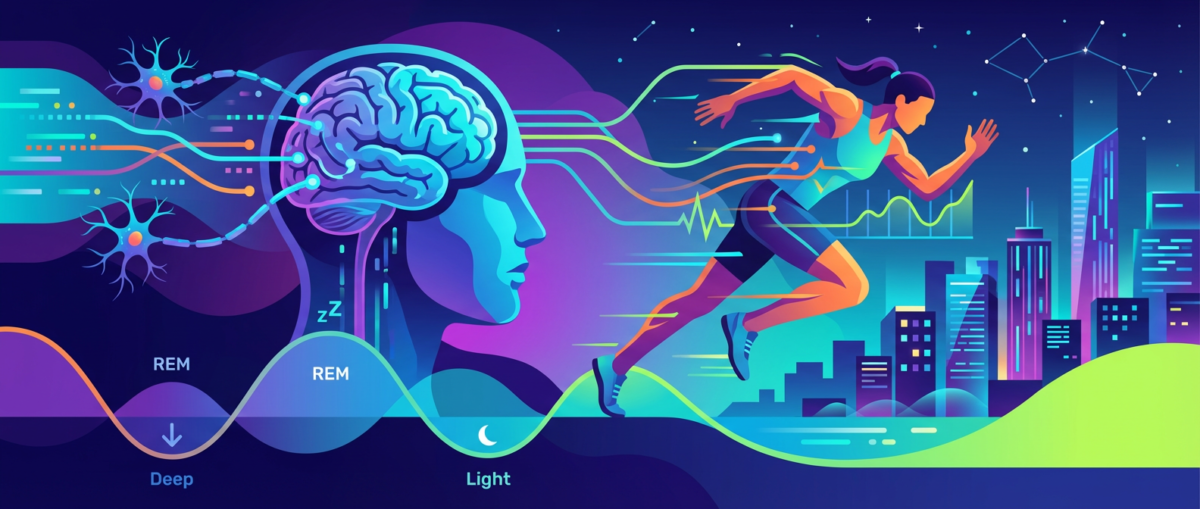
Sleep Science Meets Real Life: What the Research Actually Says About High Performance Sleep

The Sleep Crisis Is Real (And It’s Costing Us)

Let’s start with the numbers, because they matter. Over one-third of American adults are sleeping fewer than seven hours per night. That’s not a personal failing. That’s a systemic issue. The economic impact? We’re talking about $411 billion in lost productivity annually across the US economy alone. To put that in perspective, that’s more than the GDP of most countries.

Sleep Science Meets Real Life: What the Research Actually Says About High Performance Sleep

What’s wild is that most people know they should be sleeping more. The problem isn’t knowledge. It’s implementation. We’re caught between knowing sleep matters and actually building lives that permit it. That gap is exactly where high-performance sleep science lives. And here’s the encouraging part: the research isn’t asking you to become a sleep perfectionist. It’s asking you to understand what actually works versus what’s marketing.

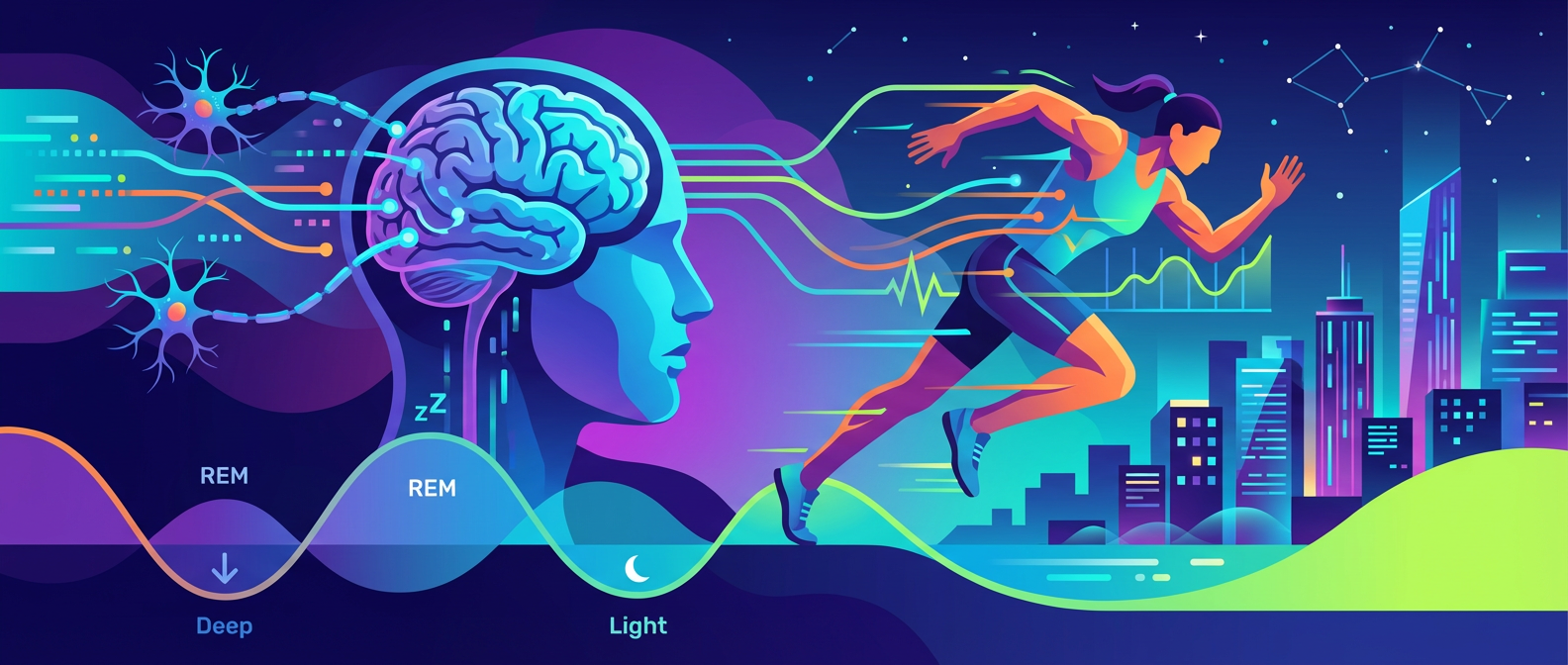
Illustration for Sleep Science Meets Real Life: What the Research Actually Says About High Performance Sleep

Matthew Walker Changed the Conversation (But the Nuance Matters)

When Matthew Walker’s “Why We Sleep” hit in 2017, it shifted cultural consciousness about sleep from nice-to-have to essential infrastructure. Suddenly, sleep was a mainstream health topic. That book deserves credit for making millions of people take sleep seriously for the first time. The neuroscience in there is genuinely compelling. Memory consolidation. Glymphatic clearance. Immune function. The mechanisms are real.

But here’s what a scientist friend told me recently: a book’s power to inspire isn’t the same as a book’s accuracy in every detail. Some of Walker’s claims have been scrutinized by the research community. Some studies he cited have been questioned. Other findings have been replicated robustly. The point isn’t that the book is wrong. The point is that the research is messier than any single narrative can capture. That’s actually good news for you, because it means sleep optimization isn’t about following one rigid protocol. It’s about understanding principles and adapting them to your life.

The Data Revolution: Wearables and What They Actually Tell Us

Devices like the Oura Ring and Whoop have created a new category of sleep optimization driven by personal data. You wake up and see your sleep score. You see your HRV. You see your recovery. This quantification is powerful. It creates feedback loops. People who never paid attention to their sleep patterns suddenly see their sleep in concrete terms. That’s behaviorally valuable.

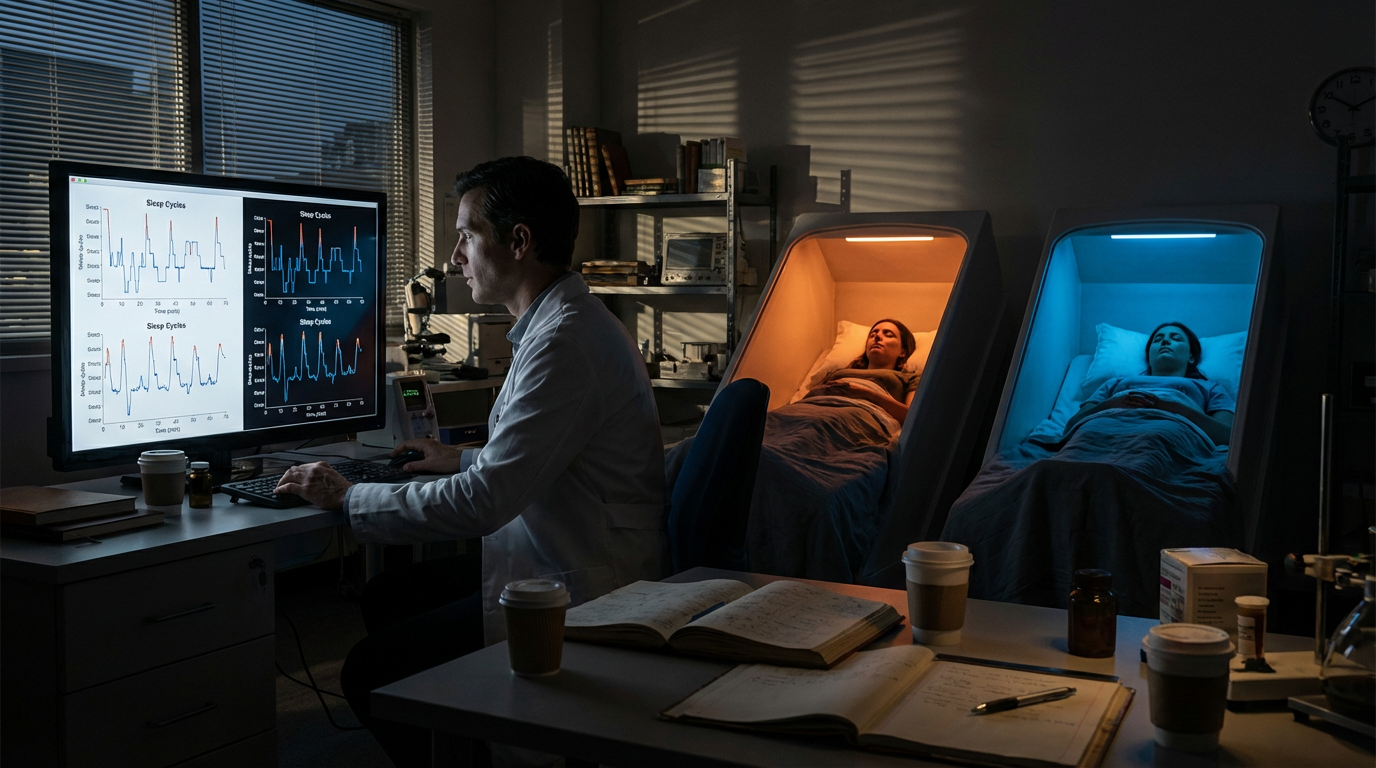
Here’s the honest part: these devices are measuring proxies, not sleep itself. They’re estimating REM and deep sleep based on heart rate variability and movement patterns. They’re pretty good at it in research settings. In real life? There’s noise. The devices can’t tell if you actually fell asleep or just lay still. They can’t capture every arousal. But that limitation doesn’t make them useless. It makes them useful for a specific purpose: tracking trends over time. If your Oura Ring shows that you sleep better when you avoid caffeine after 2 PM, that’s actionable regardless of whether the absolute sleep numbers are perfect.

The real value is behavioral. People see the data, make changes, and notice improvements. The device becomes a mirror. And mirrors create motivation.

Chronobiology Is Real, and Your Sleep Timing Preference Is Not a Character Flaw

One of the most misunderstood areas of sleep science is chronotype. You know how some people absolutely crush it waking at 5 AM while others can’t string a coherent thought together until 10 AM? That’s not laziness. That’s neurobiology. Your circadian rhythm has a genetic component. Research in chronobiology has consistently shown significant individual differences in optimal sleep timing. Some people genuinely are night owls. Some genuinely are early risers. Forcing yourself into the wrong chronotype is like forcing a night owl to optimize for early morning and then wondering why they’re miserable.

This matters for the high-performance sleep conversation because it shifts the frame from universal rules to individual optimization. The research validates individual differences. That means the best sleep protocol for you might look different from your partner’s, and that’s exactly how it should be. The question isn’t “Am I broken?” It’s “What’s my timing and how do I build my life around it?”

The Tools That Have Evidence Behind Them (And the Ones That Don’t)

Red light therapy is everywhere in the sleep category right now. You can buy red light panels for your bedroom. The theory? Red light wavelengths support melatonin production and don’t suppress it like blue light does. The research here is suggestive but not overwhelming. Some studies show benefits. Others show minimal effects. It’s not bogus. It’s just not settled. If red light therapy appeals to you, try it and measure your sleep. Track whether it actually changes anything for you. Sleep Foundation research catalogs what’s known and what’s still emerging, which is a useful resource for cutting through claims.

Weighted blankets are in a similar category. They’ve become a phenomenon, particularly for anxiety and sleep. The research suggests they may help reduce cortisol and increase parasympathetic activation. They probably do help some people. Will they help you? That depends on your sensory preferences and what your nervous system responds to. Again, the research is real but not universal.

What does have robust evidence? Consistency. Temperature. Light exposure timing. Exercise timing. Caffeine cutoff. These aren’t flashy. They don’t generate excitement. But they work across populations. Huberman Lab sleep protocols builds on these foundations with detailed implementation guidance. The foundations are boring precisely because they’re reliable.

Building Your Sleep Protocol From Evidence

Here’s what I want you to take from this: the high-performance sleep movement is at its best when it’s grounded in evidence and at its worst when it’s selling you a single answer. Your sleep optimization might include some of these tools. It might include none of them. What matters is starting with the foundation and building from there.

Track what you actually do and what actually changes. Notice your chronotype instead of fighting it. Use data, but don’t worship data. Read the research, but know the difference between what’s proven and what’s promising. And remember that the goal isn’t perfect sleep. It’s better sleep than you’re getting now. That’s enough. That’s achievable.

What part of your sleep is calling for attention right now? I’d genuinely love to hear what you’re noticing about your own patterns and what you’re curious about exploring.

Categories
Blog

Exercise Snacking Works: What the 2025 UK Biobank Study Actually Shows

The Study That Changed Everything

Here’s the thing about February 2026: a research team analyzing data from 25,000 UK Biobank participants dropped something genuinely significant. Published in Nature Aging UK Biobank Physical Activity Research, the findings suggest that three 10-minute bursts of vigorous movement daily reduces all-cause mortality risk by 38%. That number sits right next to the mortality risk reduction you’d expect from 150 minutes of structured gym-based exercise per week. Same benefit. Different delivery method.

Exercise Snacking Works: What the 2025 UK Biobank Study Actually Shows

Stop and actually feel that for a moment. We’re not talking about a 5% improvement. Not 12%. Thirty-eight percent. Your body doesn’t particularly care whether you’re crushing it on a treadmill for an hour or sprinting up three flights of stairs to catch your bus.

Dr. Emmanuel Stamatakis of the University of Sydney, who led multiple UK Biobank exercise investigations, put it plainly in a January 2026 interview: “The gym is not the only path to a healthy cardiovascular system. Daily life, done with intention, counts.” That’s not motivational speak. That’s a career researcher looking at 25,000 data sets and saying the evidence points toward something we’ve been getting wrong.

Illustration for Exercise Snacking Works: What the 2025 UK Biobank Study Actually Shows

What Exactly Counts as Vigorous Incidental Activity

Before you get excited and think a casual stroll counts, let’s be precise. The study defined “vigorous incidental activity” as movement that reaches 77% or more of your maximum heart rate for at least one minute. This isn’t a gentle walk. This is real exertion, but the key word is “incidental.” It’s activity woven into what you’re already doing, not something you scheduled or paid for.

Picture the specifics. Stair climbing. Power walking to catch transportation. Carrying heavy groceries up a flight. Sprinting across a parking lot. Cycling hard to get somewhere on time. These aren’t gym sessions. These are moments in actual life where you’re moving with purpose and intensity.

The protocol breaks down simply: hit that 77% heart rate threshold for at least a minute, do it three times daily, and that’s it. Your body registers the cardiovascular demand. Your system adapts. The mortality benefit follows.

The World Health Organization Caught Up

What makes this research genuinely credible is that major institutional bodies took notice. The WHO Physical Activity Guidelines 2025 Update formally recognized exercise snacking for the first time. Before 2025, the WHO maintained that activity had to accumulate in continuous 10-minute blocks to count toward your weekly total. They’ve since removed that requirement.

This isn’t a small shift in language. The World Health Organization officially saying that short bursts of vigorous movement, accumulated throughout the day, meet the physical activity threshold is a genuine policy change. The science moved faster than the guidelines. The guidelines finally caught up.

What that means practically: you don’t need to carve out a 45-minute gym window. No special equipment. No wardrobe change. Move hard for one minute, three times daily, as part of your regular life. That’s sufficient.

Technology Just Made This Easier

Apple Watch Ultra 2 added an “Activity Snacks” feature in its 2025 watchOS 12 software update. The feature auto-detects vigorous incidental movement and logs it automatically. In the first month alone, 4.2 million users enabled the feature. That’s not random adoption. That’s people immediately recognizing something useful when they see it.

Here’s why the tech matters: most of us don’t consciously track whether we hit 77% heart rate while running for a bus. Your wrist does. You get the feedback loop. You start noticing patterns. You start being slightly more deliberate about that stair choice instead of the elevator, and you start power-walking instead of strolling because you want to see that metric hit. The technology doesn’t create the activity. It makes the activity visible.

That said, you don’t need a smartwatch to benefit. The UK Biobank study measured vigorous incidental activity using accelerometers, sure. But that data simply confirmed what your body already knows. When you move hard, your heart rate rises. When you do it three times daily, your cardiovascular system adapts. The watch is a convenience, not a requirement.

The Honest Take on What This Means

The research is strong, but it’s not a license to skip structured exercise entirely if you currently do it and enjoy it. The UK Biobank study shows exercise snacking as a viable alternative pathway to similar mortality reduction. That doesn’t mean it’s superior. It means it’s equivalent. Huge distinction.

If you hate the gym, can’t afford membership fees, have mobility limitations that make 45-minute sessions impractical, or your life genuinely doesn’t allow for scheduled workouts, this protocol becomes your pathway. Three moments daily where you move with real intensity. You don’t need permission to do something less. You need the evidence that something different works just as well.

The 38% mortality risk reduction matters regardless of whether you achieve it through structured exercise or exercise snacking. Your cardiovascular system doesn’t care about your workout aesthetic. It cares about demand. Meeting that demand, three times daily in one-minute bursts, produces measurable biological adaptation.

What’s one vigorous activity you could add to your day tomorrow? Not someday. Not when you have more motivation. Tomorrow. I’d genuinely like to know how it goes. Drop a comment below or share what you discover about which incidental activities feel most natural to you. The research works because it fits into real life, not against it. Let’s figure out what real life looks like for you.

Categories
Blog

Your Body Absorbs Coconut Water Faster Than Plain H2O (And Other Hydration Facts That Matter)

The Sports Drink Marketing Machine Got One Thing Right

Picture this: you’re scrolling social media after a workout, and someone’s showing off their $12 electrolyte powder claiming it’s the only way to “properly hydrate.” Meanwhile, your grandmother lived to 95 drinking tap water and eating pickles. What’s actually going on here?

Here’s the thing that might surprise you: coconut water really does get absorbed by your small intestine about 15% faster than plain water. But before you empty your wallet at the health food store, let’s figure out what actually matters for staying hydrated. The sports drink industry has spent billions convincing us that water isn’t enough. While they’ve definitely oversold their products, they weren’t entirely wrong about the science.

Your Kidneys Are Smarter Than Any Influencer

Your body maintains fluid balance through a system so sophisticated it makes NASA’s engineering look simple. When you drink plain water, your kidneys have to work harder to retain the right amount while keeping sodium and potassium levels where they should be. This is why chugging a gallon of water won’t automatically make you “more hydrated” than someone sipping throughout the day.

The myth that clear urine equals optimal hydration has led to some genuinely dangerous water poisoning cases. In 2007, a woman died from drinking too much water too quickly during a radio station contest. Your urine should be pale yellow, like lemonade, not completely clear. Dark yellow means you need more fluids, but crystal clear often means you’re overdoing it.

Here’s what your kidneys actually need: a steady supply of fluids with the right balance of electrolytes. Think of electrolytes as the GPS system for water in your body. Without them, water just sloshes around uselessly instead of getting where it needs to go.

The Foods That Hydrate Better Than You Think

About 20% of your daily fluid intake comes from food, but some foods punch way above their weight in the hydration game. Watermelon is 92% water, but cucumbers clock in at 95%. That’s higher than most sports drinks. Greek yogurt gives you both fluids and electrolytes, plus protein that helps your muscles hold onto water more effectively.

Soup deserves special mention here because it combines fluids with sodium in a way that your body actually craves. After intense exercise or on hot days, a cup of low-sodium chicken broth can work better than the same amount of plain water. Your grandmother’s chicken soup remedy wasn’t just comfort food. Science shows that warm, salty liquids get absorbed faster when you’re dehydrated from illness.

Even coffee and tea count toward your fluid intake, despite decades of myths claiming they dehydrate you. A 2016 study in the American Journal of Clinical Nutrition found that regular coffee drinkers showed no difference in hydration markers compared to water drinkers. The mild diuretic effect gets canceled out by the fluid volume, especially if you’re used to caffeine.

When Water Actually Isn’t Enough

If you’re sweating for more than an hour, losing more than 2% of your body weight through fluid loss, or dealing with vomiting or diarrhea, plain water becomes less effective. During these times, your body needs sodium replacement that water alone can’t provide. This is where those expensive electrolyte products actually earn their keep, though you don’t need to spend premium prices.

A simple homemade oral rehydration solution works just as well: one quarter teaspoon of salt and two tablespoons of sugar in one cup of water. This ratio matches what emergency rooms use for dehydration cases. For athletes, chocolate milk has repeatedly beaten commercial sports drinks in recovery studies because it provides the ideal 3:1 carb-to-protein ratio your muscles need.

The timing matters more than the specific product. Research from the International Journal of Sports Nutrition shows that drinking 16-24 ounces of fluid two hours before exercise, then 6-8 ounces every 15-20 minutes during activity, works better for performance than any particular beverage choice.

The Temperature and Timing Game Changers

Cold drinks get absorbed faster than room temperature ones, but the difference is smaller than you’d expect, about 13% faster absorption rate. What matters more is consistency. Your body handles steady, smaller amounts better than large volumes consumed infrequently. Drinking 8 ounces every hour beats chugging 32 ounces every four hours.

Morning hydration needs special attention because you’ve been fasting from fluids for 6-8 hours. Starting your day with 16-20 ounces of fluid within the first hour of waking helps restore overnight losses and primes your system for the day. Adding a pinch of sea salt or drinking it with breakfast improves retention compared to plain water on an empty stomach.

Your individual needs vary based on climate, activity level, body size, and even genetics. Some people have genetic variations that affect how they process sodium, making them “salty sweaters” who need more electrolyte replacement than others. Pay attention to white residue on your clothes after exercise. That’s literally your salt leaving your body.

Building Your Personal Hydration Strategy

Start by tracking your current intake for a week, including all drinks and high-water foods. Most people discover they’re getting adequate fluids but poor timing or absorption. Then experiment with adding electrolytes during longer workouts or hot weather, but don’t assume expensive equals better.

The best hydration strategy is the one you’ll actually stick with consistently. Whether that’s flavoring your water with cucumber slices, setting hourly reminders, or keeping a water bottle at your desk, consistency beats perfection every time.

What small change could you make this week to improve your hydration timing or absorption? Sometimes the most powerful shifts happen when we stop overthinking and start paying attention to what our bodies actually need.

Categories
Blog

The Protein Panic Is Real (And It’s About Time We Had This Conversation)

When TikTok Broke the Protein Myth Wide Open

Remember when eating protein was simple? You’d have some chicken, maybe a shake after the gym, and call it a day. Then January rolled around and Dr. Layne Norton dropped a TikTok bomb that changed everything. His video about “rabbit starvation” racked up 47 million views faster than you could say “macro tracking,” and suddenly everyone was questioning their triple-scoop protein smoothies.

The Protein Panic Is Real (And It's About Time We Had This Conversation)
The Protein Panic Is Real (And It’s About Time We Had This Conversation)

Here’s the thing that got everyone’s attention: Norton wasn’t some anti-fitness crusader trying to tear down your gains. He was explaining a historical phenomenon where Arctic explorers literally starved to death despite eating plenty of lean rabbit meat. Too much protein, not enough of everything else. Sound familiar?

The video hit differently because it wasn’t about demonizing protein. It was about balance. And honestly? It was about time someone with a massive platform said what registered dietitians have been whispering for years: more isn’t always better, even when it comes to the fitness world’s favorite macronutrient.

Illustration for The Protein Panic Is Real (And It's About Time We Had This Conversation)
Illustration for The Protein Panic Is Real (And It’s About Time We Had This Conversation)

The Numbers Don’t Lie (And Neither Do Hospital Records)

While social media was buzzing about rabbit starvation, emergency rooms were seeing something else entirely. Between 2024 and 2025, kidney stone visits among men aged 25 to 35 jumped by 31 percent. The common thread? High-protein diets kept showing up in patient histories.

Now, correlation isn’t causation, but when you’re downing protein shakes like they’re water and eating chicken breast for every meal, your kidneys are working overtime. The National Kidney Foundation Nutrition Guidelines have been pretty clear about this for a while, but somehow that message got lost in the sea of “drink your protein” content.

The real kicker came in February 2026 when research published in the American Journal of Clinical Nutrition showed that consuming more than 2.2 grams of protein per kilogram of body weight provided zero additional muscle-building benefits. Zero. All those extra scoops weren’t building more muscle. They were just making expensive urine and potentially stressing your kidneys.

For context, that’s about 1 gram per pound of body weight. If you weigh 150 pounds, you’re maxing out benefits at around 150 grams of protein daily. Not the 200+ grams that some fitness influencers were pushing.

The Great Protein Powder Pullback

Money talks, and the supplement industry heard the conversation loud and clear. For the first time since 2019, protein powder sales dropped 12 percent in the fourth quarter of 2025. That’s not just a blip. That’s a trend shift.

But here’s what’s really interesting: people weren’t giving up on fitness. They were getting smarter about it. Instead of reaching for another tub of vanilla whey, they were asking better questions. Questions like “Do I actually need this?” and “What else should I be eating?”

The shift wasn’t just about protein powder either. Registered dietitians started reporting something they’d never seen before: clients coming in specifically asking to reduce their protein intake. In early 2026, 67 percent more people sought professional help to rebalance their diets, particularly wanting to increase carbohydrates they’d been avoiding for years.

Think about that for a second. People were literally paying professionals to help them eat more carbs. In a world where “carbs are the enemy” had been gospel for so long, this was revolutionary.

Why the Protein Obsession Made Perfect Sense

Before we celebrate the end of protein paranoia, let’s acknowledge why it happened in the first place. The fitness industry didn’t accidentally stumble into protein worship. There were real reasons this took off.

Protein does help with satiety. It does support muscle growth. It does have a higher thermic effect than other macronutrients. All of this is true. The problem was taking these facts and stretching them into “more protein equals better everything.”

Plus, protein became a simple answer in a complicated world. Confused about nutrition? Just eat more protein. Not seeing results? Double your protein intake. It was easy to remember, easy to track, and easy to sell. Supplements, meal plans, coaching programs all built themselves around this single macronutrient.

The messaging was so consistent and so widespread that questioning it felt almost rebellious. Who wants to be the person suggesting that maybe, just maybe, we’d gone a little overboard with the chicken breast obsession?

Finding Your Personal Protein Sweet Spot

Here’s where we land after all this: protein isn’t the villain, and it’s not the hero either. It’s just one part of a much bigger nutritional picture. The research suggests that somewhere between 0.8 and 1.2 grams per pound of body weight hits the sweet spot for most active people.

But numbers alone don’t tell the whole story. Your individual needs depend on your activity level, your goals, your age, and honestly, what makes you feel good. Some people thrive on the lower end of that range. Others feel better toward the higher end.

The real victory here isn’t perfect protein calculations. It’s permission to eat other things without guilt. It’s recognizing that carbs fuel your workouts and your brain. It’s understanding that fats support hormone production and make food taste good. It’s about building a sustainable relationship with food that doesn’t require a calculator.

What’s your experience been with the great protein debate? Have you found yourself questioning your supplement stack lately, or are you still team protein-everything? The conversation is just getting started, and honestly, your perspective matters more than any influencer’s opinion.