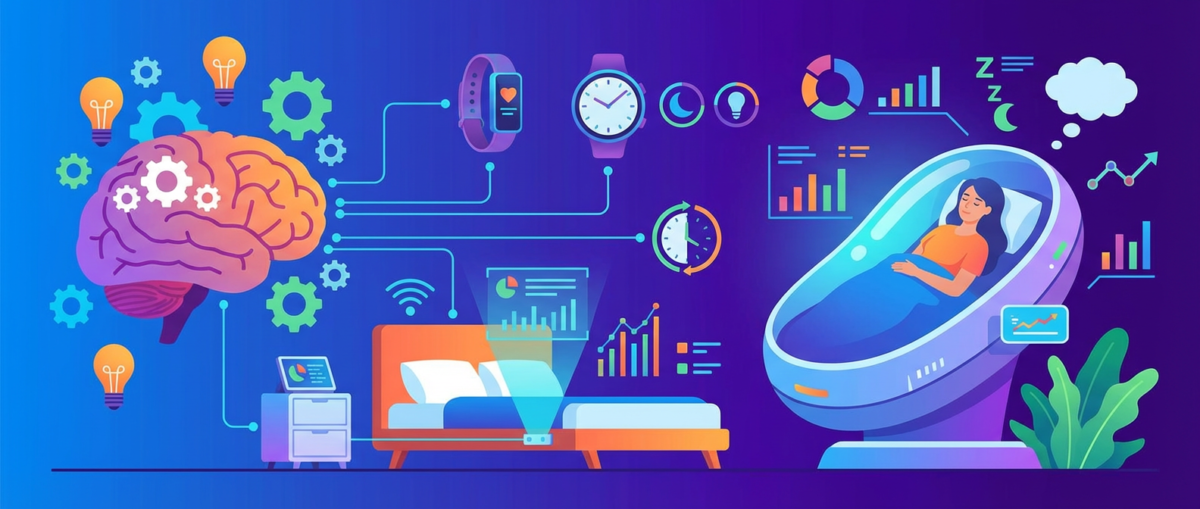
The Sleep Crisis Meets Silicon Valley Solutions
More than one-third of American adults sleep fewer than seven hours nightly, according to recent CDC data. This widespread sleep deficit isn’t just a health concern—it’s an economic disaster, draining approximately $411 billion annually from U.S. productivity.
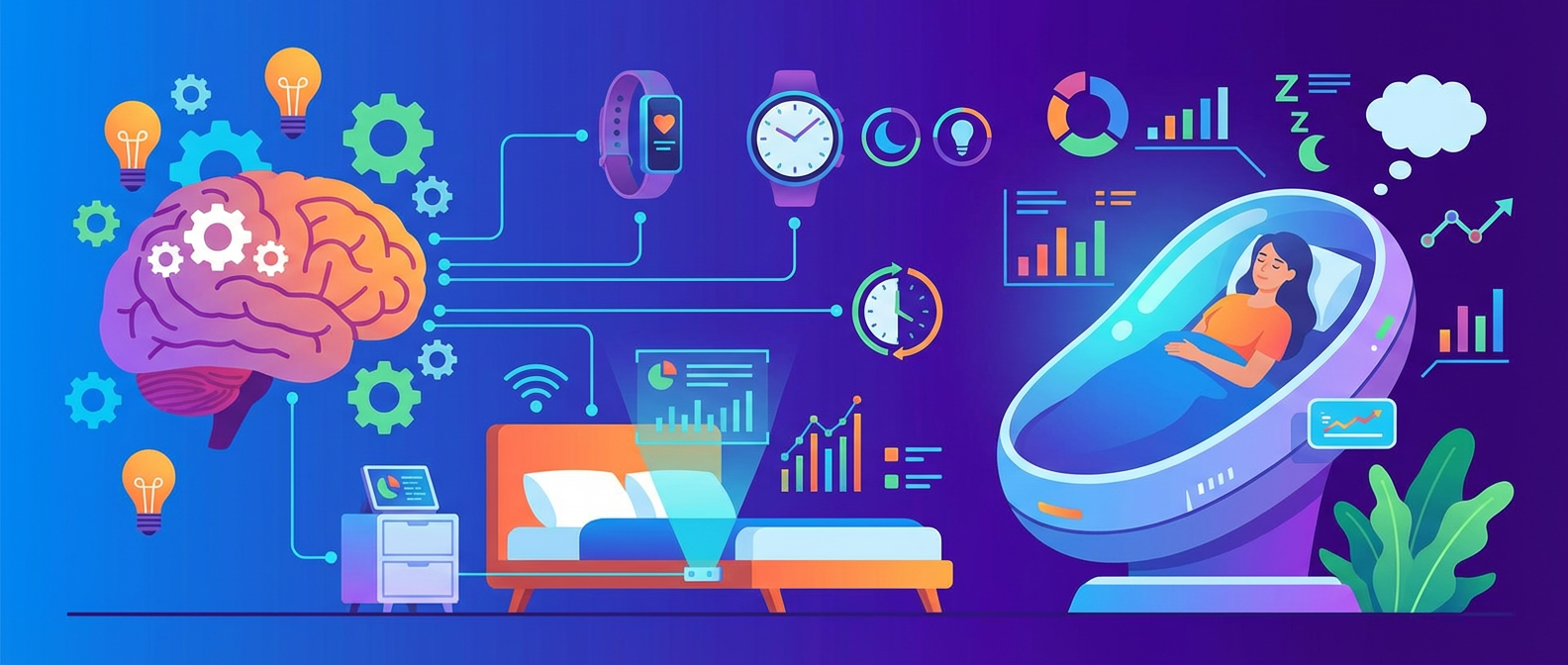
Enter the high performance sleep movement. What started as biohacker curiosity has grown into a data-driven pursuit of sleep optimization. Tech entrepreneurs track REM cycles like stock portfolios. Athletes monitor deep sleep percentages with the same intensity they analyze training metrics. We’re past asking whether sleep matters. Now the question is whether these new approaches actually work.
The movement gained serious momentum after neuroscientist Matthew Walker published “Why We Sleep” in 2017. Walker’s research-backed warnings about sleep deprivation sparked a cultural shift. Sleep went from being a necessary inconvenience to a performance lever. But separating genuine breakthroughs from expensive placebo effects means examining what the science actually supports.

Wearables and the Quantified Sleep Revolution
Oura Rings and Whoop bands have made sleep tracking accessible beyond laboratory polysomnography. These devices measure heart rate variability, body temperature, and movement patterns to estimate sleep stages. Users obsess over their sleep scores like they’re playing a wellness video game.
The data revolution has merit. Consistent tracking reveals personal sleep patterns that subjective reporting misses. Many users discover they feel best with 7.5 hours rather than the standard eight-hour recommendation. Others spot lifestyle factors that consistently mess with their rest.
But consumer wearables have real limitations. They estimate sleep stages through indirect measurements, not direct brain activity monitoring. The accuracy varies significantly between devices and individuals. Sleep Foundation research suggests these tools work best for tracking trends rather than precise sleep architecture analysis.
The real value is in behavior change. When people see objective feedback about their sleep quality, they often make better choices about bedtime routines, alcohol consumption, and screen exposure. The device matters less than the awareness it creates.
Chronobiology and Individual Sleep Timing
Chronobiology research has confirmed what many suspected: we’re not all designed for the same sleep schedule. Genetic variations in circadian clock genes create genuine differences in optimal sleep timing. Some people naturally function best sleeping from 9 PM to 5 AM. Others peak with an 11 PM to 7 AM schedule.
This research challenges one-size-fits-all sleep advice. The traditional “early to bed, early to rise” wisdom works for morning chronotypes but can backfire for genetic night owls. Forcing a natural late sleeper into an early schedule often reduces total sleep time and quality.
The practical implications are big. Companies experimenting with flexible start times report improved employee performance and reduced sick days. Schools implementing later start times see better academic outcomes. The evidence suggests working with individual chronobiology rather than against it.
But modern life constraints limit chronotype flexibility. Most people must adapt their natural preferences to work schedules and social obligations. The goal becomes optimizing sleep quality within realistic timing constraints rather than achieving perfect chronobiological alignment.
Emerging Sleep Interventions: Red Light and Weighted Comfort
Red light therapy has gained traction as a natural sleep aid. The theory suggests that exposure to specific red wavelengths in the evening supports melatonin production while avoiding the circadian disruption caused by blue light. Some research supports this approach, particularly for shift workers struggling with irregular schedules.
Weighted blankets represent another growing category. The deep pressure stimulation mimics gentle hugging, potentially activating the parasympathetic nervous system and reducing cortisol levels. Small studies suggest benefits for anxiety-related sleep issues, though larger trials are needed for solid conclusions.
Both interventions show promise but require realistic expectations. Red light therapy won’t compensate for poor sleep hygiene or excessive caffeine intake. Weighted blankets help some people but may feel uncomfortable or overly warm for others. The research foundation exists but remains limited compared to established interventions like consistent sleep schedules and cool bedroom temperatures.
The Huberman Lab sleep protocols emphasize these newer interventions as add-ons to, not replacements for, fundamental sleep practices. Morning light exposure, caffeine timing, and temperature regulation remain more impactful than any single sleep gadget.
The Evidence-Based Path Forward
The high performance sleep movement succeeds when it amplifies proven principles rather than replacing them with trendy alternatives. Consistent sleep timing matters more than expensive mattresses. Room temperature affects sleep quality more than most supplements. Regular exercise improves sleep architecture better than any device.
The movement’s strength is in its systematic approach. Instead of treating sleep as passive recovery time, high performers analyze their rest like any other skill. They experiment with variables, track outcomes, and adjust protocols based on results. This methodical mindset often yields better outcomes than following generic sleep advice.
But optimization culture can become counterproductive when it creates sleep anxiety. People who obsess over sleep scores sometimes develop performance pressure that disrupts the very rest they’re trying to improve. The best sleep optimization maintains a relaxed relationship with the process.
The future likely holds more sophisticated sleep interventions as research advances. Personalized chronotherapy based on genetic testing. Targeted interventions for specific sleep disorders. Real-time sleep environment adjustments guided by biometric feedback. But these innovations will build upon, not replace, the fundamentals that determine sleep quality.
What sleep optimization strategies have you tried? Share your experiences and questions in the comments below. The most effective sleep protocols often come from combining scientific principles with individual experimentation and honest assessment of what actually works in real-world conditions.