
When TikTok Broke the Protein Myth Wide Open
Remember when eating protein was simple? You’d have some chicken, maybe a shake after the gym, and call it a day. Then January rolled around and Dr. Layne Norton dropped a TikTok bomb that changed everything. His video about “rabbit starvation” racked up 47 million views faster than you could say “macro tracking,” and suddenly everyone was questioning their triple-scoop protein smoothies.

Here’s the thing that got everyone’s attention: Norton wasn’t some anti-fitness crusader trying to tear down your gains. He was explaining a historical phenomenon where Arctic explorers literally starved to death despite eating plenty of lean rabbit meat. Too much protein, not enough of everything else. Sound familiar?
The video hit differently because it wasn’t about demonizing protein. It was about balance. And honestly? It was about time someone with a massive platform said what registered dietitians have been whispering for years: more isn’t always better, even when it comes to the fitness world’s favorite macronutrient.
The Numbers Don’t Lie (And Neither Do Hospital Records)
While social media was buzzing about rabbit starvation, emergency rooms were seeing something else entirely. Between 2024 and 2025, kidney stone visits among men aged 25 to 35 jumped by 31 percent. The common thread? High-protein diets kept showing up in patient histories.
Now, correlation isn’t causation, but when you’re downing protein shakes like they’re water and eating chicken breast for every meal, your kidneys are working overtime. The National Kidney Foundation Nutrition Guidelines have been pretty clear about this for a while, but somehow that message got lost in the sea of “drink your protein” content.
The real kicker came in February 2026 when research published in the American Journal of Clinical Nutrition showed that consuming more than 2.2 grams of protein per kilogram of body weight provided zero additional muscle-building benefits. Zero. All those extra scoops weren’t building more muscle. They were just making expensive urine and potentially stressing your kidneys.
For context, that’s about 1 gram per pound of body weight. If you weigh 150 pounds, you’re maxing out benefits at around 150 grams of protein daily. Not the 200+ grams that some fitness influencers were pushing.
The Great Protein Powder Pullback
Money talks, and the supplement industry heard the conversation loud and clear. For the first time since 2019, protein powder sales dropped 12 percent in the fourth quarter of 2025. That’s not just a blip. That’s a trend shift.
But here’s what’s really interesting: people weren’t giving up on fitness. They were getting smarter about it. Instead of reaching for another tub of vanilla whey, they were asking better questions. Questions like “Do I actually need this?” and “What else should I be eating?”
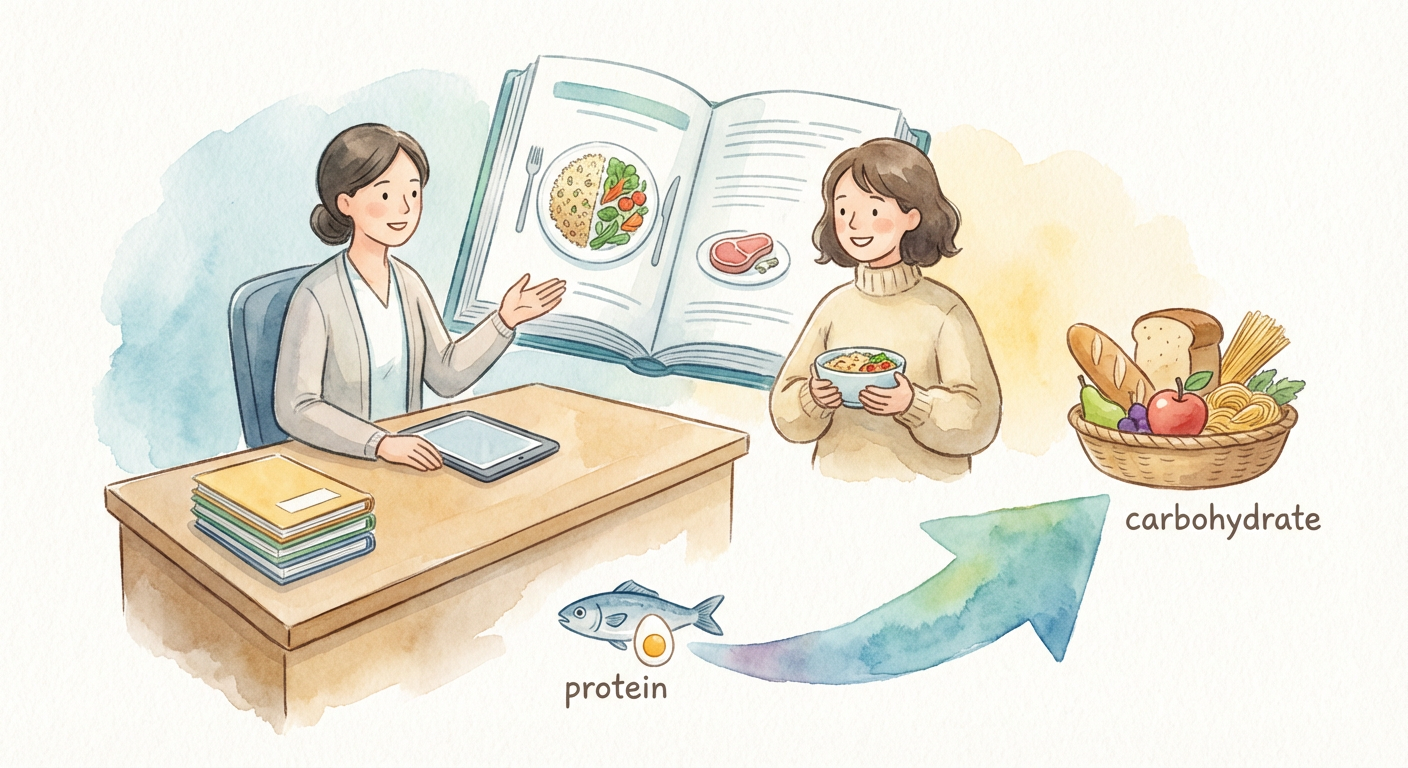
The shift wasn’t just about protein powder either. Registered dietitians started reporting something they’d never seen before: clients coming in specifically asking to reduce their protein intake. In early 2026, 67 percent more people sought professional help to rebalance their diets, particularly wanting to increase carbohydrates they’d been avoiding for years.
Think about that for a second. People were literally paying professionals to help them eat more carbs. In a world where “carbs are the enemy” had been gospel for so long, this was revolutionary.
Why the Protein Obsession Made Perfect Sense
Before we celebrate the end of protein paranoia, let’s acknowledge why it happened in the first place. The fitness industry didn’t accidentally stumble into protein worship. There were real reasons this took off.
Protein does help with satiety. It does support muscle growth. It does have a higher thermic effect than other macronutrients. All of this is true. The problem was taking these facts and stretching them into “more protein equals better everything.”
Plus, protein became a simple answer in a complicated world. Confused about nutrition? Just eat more protein. Not seeing results? Double your protein intake. It was easy to remember, easy to track, and easy to sell. Supplements, meal plans, coaching programs all built themselves around this single macronutrient.
The messaging was so consistent and so widespread that questioning it felt almost rebellious. Who wants to be the person suggesting that maybe, just maybe, we’d gone a little overboard with the chicken breast obsession?
Finding Your Personal Protein Sweet Spot
Here’s where we land after all this: protein isn’t the villain, and it’s not the hero either. It’s just one part of a much bigger nutritional picture. The research suggests that somewhere between 0.8 and 1.2 grams per pound of body weight hits the sweet spot for most active people.
But numbers alone don’t tell the whole story. Your individual needs depend on your activity level, your goals, your age, and honestly, what makes you feel good. Some people thrive on the lower end of that range. Others feel better toward the higher end.
The real victory here isn’t perfect protein calculations. It’s permission to eat other things without guilt. It’s recognizing that carbs fuel your workouts and your brain. It’s understanding that fats support hormone production and make food taste good. It’s about building a sustainable relationship with food that doesn’t require a calculator.
What’s your experience been with the great protein debate? Have you found yourself questioning your supplement stack lately, or are you still team protein-everything? The conversation is just getting started, and honestly, your perspective matters more than any influencer’s opinion.