Categories
Blog

Why Your 3PM Energy Crash Might Be About More Than Just Timing

The Inconvenient Truth About When You Eat

Your coworker swears by intermittent fasting. Your neighbor eats six small meals a day. Your trainer insists on post-workout protein within 30 minutes. Meanwhile, you’re wondering if any of this actually matters or if everyone’s just making it up as they go along.

Here’s what the research actually tells us: meal timing affects your energy, but not in the dramatic ways the internet wants you to believe. The bigger story? What you eat matters far more than when you eat it. But timing isn’t irrelevant either.

Your Body’s Internal Food Clock

Your circadian rhythm doesn’t just control sleep. It also controls when your body expects food and how efficiently it processes different nutrients throughout the day. Insulin sensitivity peaks in the morning and gradually declines. That’s why that 9 PM bowl of pasta might leave you feeling sluggish the next morning while the same meal at noon energizes you.

A 2020 study in the Journal of Clinical Medicine tracked 116 adults for 12 weeks. People who ate their largest meal before 3 PM lost 25% more weight than those who ate it later, even when total calories were identical. But before you start setting dinner alarms, consider this: the early eaters also went to bed earlier and had more consistent sleep schedules.

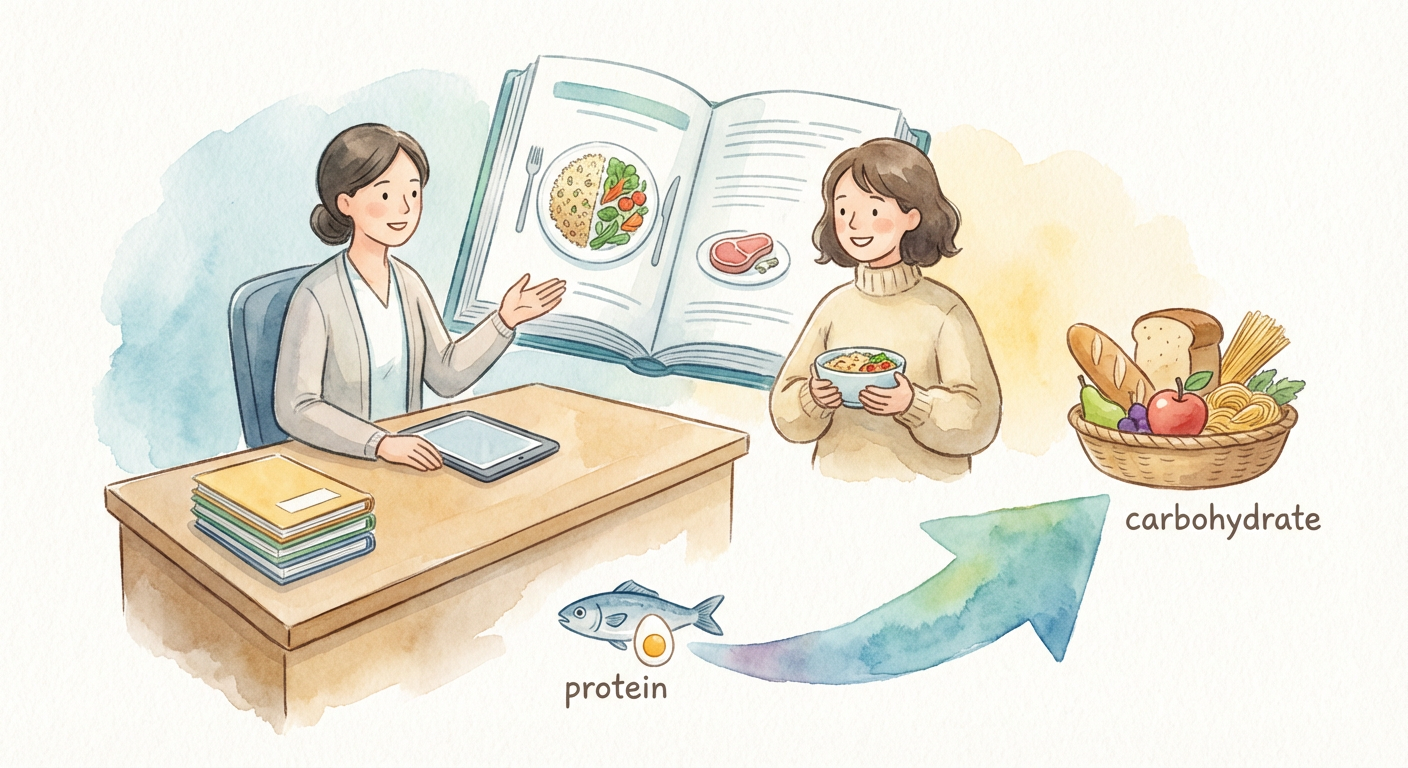
The takeaway isn’t that late dinners are evil. Your body performs better when you align eating patterns with natural rhythms. This might mean having your most carb-heavy meal when insulin sensitivity is highest. Or spacing protein throughout the day when muscle synthesis is most active.

Nutrient Density: The Real Game Changer

While you’re debating whether to eat breakfast at 7 AM or 10 AM, you might be missing the bigger picture. A 2019 analysis of 43 studies found that nutrient density predicted energy levels, mood stability, and long-term health outcomes far better than meal timing alone.

Consider two scenarios: a 400-calorie breakfast of steel-cut oats with berries, nuts, and Greek yogurt versus 400 calories of a breakfast pastry. The oats provide fiber, protein, healthy fats, antioxidants, and B vitamins. The pastry? Sugar, refined flour, and not much else. Your blood sugar, hunger levels, and energy at 11 AM will be completely different.

This is where the research gets interesting. A study from Harvard’s School of Public Health followed 120,000 people for 16 years. Those who prioritized nutrient-dense foods had lower rates of weight gain, diabetes, and cardiovascular disease regardless of their eating schedule. The nutrient-dense group included people who ate three meals, six small meals, and everything in between.

The Protein Timing Myth That’s Actually Half True

You’ve probably heard about the “anabolic window” – the idea that you must consume protein within 30 minutes of working out or your muscles will waste away. The research on this is more complex than fitness influencers suggest.

A 2017 meta-analysis of 23 studies found that total daily protein intake mattered far more than timing for muscle growth and recovery. However, there’s a catch. Spreading protein evenly throughout the day does appear to optimize muscle protein synthesis better than cramming it all into one or two meals.

The sweet spot seems to be 20-30 grams of high-quality protein every 3-4 hours. This isn’t because your muscles have a strict schedule. Your body can only process so much protein at once for muscle building. A 2016 study showed that eating 40 grams of protein in one sitting wasn’t twice as effective as eating 20 grams. The extra just got used for energy or stored as fat.

Making This Work in Real Life

The research is clear, but your life is complicated. You have meetings, commutes, kids, and a million other things that don’t care about optimal nutrient timing. That’s okay. The goal isn’t perfection – it’s progress.

Start with nutrient density. Focus on foods that pack multiple nutrients per calorie: eggs instead of cereal, berries instead of juice, sweet potatoes instead of white bread. Once that feels automatic, experiment with timing. Maybe that means eating your biggest meal earlier in the day. Or maybe it means spreading your protein more evenly.

One practical approach that works for many people: aim for a palm-sized portion of protein, a fist-sized portion of vegetables, a cupped-hand portion of carbs, and a thumb-sized portion of healthy fats at each meal. This naturally creates nutrient-dense meals without requiring a nutrition degree to implement.

The most sustainable approach might not be the most optimal one, and that’s perfectly fine. Consistency with a good plan beats perfection with an impossible one every single time. What small change could you make this week that would improve either your meal timing or nutrient density without turning your life upside down?

Categories
Blog

The Science of Sticky Movement Habits: Why Your Exercise Routine Keeps Failing (And How to Fix It)

The Habit Formation Research That Changes Everything

Here’s what the research actually tells us about building lasting movement habits: it’s not about willpower, and it’s definitely not about going from zero to CrossFit champion in three weeks. A 2009 study by Phillippa Lally at University College London tracked 96 people forming new habits and found the average time to reach automaticity was 66 days. But here’s the kicker that most fitness advice ignores: the range was anywhere from 18 to 254 days depending on the complexity of the behavior.

The Science of Sticky Movement Habits: Why Your Exercise Routine Keeps Failing (And How to Fix It)

This variability isn’t a bug in human psychology. It’s a feature. Your brain is designed to automate behaviors gradually, and movement habits follow predictable neural pathways. When you repeat a physical activity in a consistent context, your basal ganglia literally rewire to make that movement feel more automatic and require less conscious decision-making. The MIT studies on habit loops show this process involves a neurological pattern they call the “habit loop”: cue, routine, reward.

What this means for you: stop beating yourself up for not immediately loving your morning jogs. Your brain needs time to build those neural highways. The research suggests focusing on consistency over intensity during the first 60-90 days gives you the highest probability of long-term success.

Illustration for The Science of Sticky Movement Habits: Why Your Exercise Routine Keeps Failing (And How to Fix It)

Why Most Movement Programs Fail: The Complexity Trap

The fitness industry has a dirty secret: complex programs sell better than simple ones, but simple programs work better than complex ones. A 2019 systematic review in the Journal of Health Psychology analyzed adherence rates across different exercise interventions and found an inverse relationship between program complexity and long-term compliance. Programs with more than three new variables (time, intensity, type of exercise, location) showed significantly higher dropout rates after 12 weeks.

Your brain can only handle so much change at once. When you try to overhaul your entire movement routine simultaneously, you’re essentially asking your prefrontal cortex to juggle multiple new behaviors while it’s already managing your regular daily decisions. Neuroscientist Ann Graybiel’s research at MIT shows that habit formation works best when you change one variable at a time, allowing each new behavior to move from conscious control to automatic processing before adding complexity.

This is why the person who starts with a 10-minute daily walk often outlasts the one who jumps into hour-long gym sessions. The walker is building a foundation of automaticity. The gym-goer is fighting their brain’s natural resistance to multiple simultaneous changes. I see this pattern constantly, and frankly, it’s a bit frustrating how the industry keeps pushing these elaborate programs when we know simpler approaches work better.

The Environmental Design Secret That Doubles Success Rates

Environmental psychology research reveals something most people miss: your physical environment has more influence over your movement habits than your motivation levels. Stanford’s Persuasive Technology Lab found that environmental design changes can increase exercise adherence by up to 87% compared to motivation-based interventions alone.

The most powerful environmental cue is what researchers call “implementation intentions”, which is basically pre-deciding when and where your movement will happen. But it goes deeper than just scheduling. Studies show that visual cues in your environment trigger automatic behaviors. Keep your workout clothes visible. Put your walking shoes by the door. Make the stairs more appealing than the elevator by ensuring they’re well-lit and clean.

One particularly elegant study from the University of Pennsylvania showed that people who moved their TVs from their bedrooms to living rooms increased their daily step counts by an average of 1,200 steps. They weren’t trying to walk more. They just removed an environmental cue that encouraged sedentary behavior. Your environment is constantly voting for or against your movement goals, whether you realize it or not.

The Minimum Effective Dose for Sustainable Change

Here’s where the research gets really interesting. The idea that you need intense workouts to see benefits isn’t supported by the literature on habit formation or health outcomes. A 2018 meta-analysis in the British Medical Journal found that people who moved from completely sedentary to just 75 minutes of moderate activity per week saw 80% of the health benefits achieved by those doing 300+ minutes weekly.

For habit formation specifically, the sweet spot appears to be what researchers call “minimum viable consistency.” Studies consistently show that doing something small every day beats doing something big three times per week when measuring automaticity after six months. Your brain craves predictable patterns, not heroic efforts. I know this might sound counterintuitive if you’ve been conditioned to believe “no pain, no gain,” but the data is pretty clear on this.

This doesn’t mean you can’t progress or increase intensity. It means you should establish the behavior pattern first, then gradually increase the challenge. Start with movements that feel almost ridiculously easy. If you’re thinking “this is too simple,” you’re probably in the right zone for sustainable habit formation.

Building Your Personal Movement Protocol

The research gives us a clear framework for designing movement habits that stick. First, choose one type of movement and one consistent time. The specificity matters more than you think. “I’ll exercise more” fails because it’s too vague for your brain to automate. “I’ll walk around my block at 7 AM” works because it provides clear neurological cues.

Second, link your new movement habit to an existing routine. Charles Duhigg’s research on habit stacking shows that anchoring new behaviors to established ones dramatically improves adherence. After you pour your morning coffee, you put on your walking shoes. After you brush your teeth at night, you do five minutes of stretching. The existing habit becomes the cue for the new one.

Third, track your consistency, not your performance. Harvard Business School research shows that tracking behavioral frequency (did you do it?) is more effective for habit formation than tracking performance metrics (how well did you do it?). A simple calendar with X marks for completed days provides the visual feedback your brain needs to recognize the emerging pattern.

The beautiful thing about understanding the science behind sustainable movement habits is that it removes the guesswork and self-blame from the equation. Your struggles with consistency aren’t character flaws, they’re predictable challenges that researchers have mapped extensively. What questions do you have about applying these principles to your own movement goals?

Categories
Blog

Why Your Brain Needs Better Fuel Too: The Hidden Mental Side of Performance Nutrition

Your Mind Is Part of Your Performance Engine

Here’s something wild that happened in my kitchen last week. I was meal prepping for a big training block, obsessing over macros and timing, when I realized I’d completely forgotten to eat lunch. Again. My hands were literally shaking as I portioned out perfectly balanced post-workout meals while my own brain was running on fumes and spite.

Why Your Brain Needs Better Fuel Too: The Hidden Mental Side of Performance Nutrition

This is the paradox so many active people live in. We treat our bodies like high-performance machines, calculating protein timing down to the minute, but we completely ignore the fact that our brains are doing the heavy lifting too. All that decision fatigue from choosing what to eat. The mental energy it takes to stick to nutrition goals when life gets messy. The emotional bandwidth required to bounce back from a rough training session.

Your brain burns about 20% of your daily calories, and when you’re active, that number goes even higher. Yet most performance nutrition advice treats mental energy like it doesn’t matter. A 2019 study in the Journal of Sports Sciences found that cognitive fatigue can tank physical performance by up to 15%. That’s the difference between crushing your goals and wondering why everything feels so much harder than it should.

Illustration for Why Your Brain Needs Better Fuel Too: The Hidden Mental Side of Performance Nutrition

The Real Cost of Mental Fuel Depletion

Let’s talk about what actually happens when your brain runs low on quality fuel. It’s not just about feeling foggy during your morning meeting. Your prefrontal cortex, the part responsible for decision-making and impulse control, basically starts glitching when blood glucose dips. This is why you can nail your nutrition all week, then find yourself face-deep in a bag of chips after one stressful day.

I see this pattern constantly with the athletes and active people I work with. They’ll have their pre and post-workout nutrition dialed in, but they’re making food decisions from a place of complete depletion the other 22 hours of the day. Research from Stanford shows that glucose availability directly impacts willpower and self-regulation. When your brain is under-fueled, every single nutrition choice becomes exponentially harder.

The mental load extends way beyond just food choices too. Planning meals, grocery shopping, prep work, cleaning up. Each decision chips away at your cognitive resources a little more. A study published in Appetite found that people make over 200 food-related decisions daily. No wonder you feel exhausted by dinner time, even on rest days.

Brain-First Nutrition Strategies That Actually Work

Here’s where we flip the script. Instead of treating brain health as separate from performance nutrition, we make it the foundation. Start with stable blood glucose as your non-negotiable. This doesn’t mean avoiding carbs or going keto unless that genuinely works for your body. It means timing your fuel strategically throughout the day.

Pair complex carbohydrates with protein and healthy fats at each meal. Think steel-cut oats with Greek yogurt and berries, not just a banana before your workout. The fiber and protein slow glucose absorption, giving your brain steady fuel instead of the spike-and-crash cycle that leaves you grabbing whatever’s convenient when your blood sugar plummets.

Omega-3 fatty acids deserve special attention here. A meta-analysis of 26 studies found that EPA and DHA supplementation significantly improved cognitive function, particularly working memory and processing speed. Aim for fatty fish twice weekly, or consider a high-quality fish oil if that’s not realistic. Your brain’s cell membranes are literally made of these fats.

Magnesium is another game-changer that most people completely overlook. This mineral is involved in over 300 enzymatic reactions, including the ones that regulate neurotransmitter function. Active people need even more because of losses through sweat. Dark leafy greens, pumpkin seeds, and dark chocolate are excellent sources. The research shows that even mild magnesium deficiency can ramp up anxiety and mess with sleep quality.

Reducing the Mental Load Through Systems

The best nutrition plan in the world won’t work if it exhausts you mentally before you even start. This is where smart systems literally save your sanity. Batch cooking isn’t just about meal prep. It’s about removing 15 small decisions from your Tuesday when you’re already running on empty.

Build flexible frameworks instead of rigid rules. Maybe your framework is: protein + vegetables + healthy fat at every meal. Or: eat something within two hours of waking up, no matter what. These boundaries give you structure without the mental overhead of tracking every macro.

Automate what you can. Subscribe to staple groceries. Keep emergency snacks that combine protein and complex carbs in your car, gym bag, and office. When decision fatigue hits, you want good options to be the easy options.

Think about the timing of your most challenging nutrition goals too. If you’re trying to increase vegetable intake, don’t make that change during your most stressful training block. Our brains can only handle so much change at once. Research on habit formation shows that stacking new behaviors onto existing routines dramatically improves success rates.

The Integration That Changes Everything

Here’s what I’ve learned from years of working with people who’ve cracked the code on sustainable performance nutrition. They stopped treating their minds and bodies as separate systems competing for resources. Instead, they figured out that mental energy and physical energy come from the same well.

When you fuel your brain consistently throughout the day, your workouts feel more manageable. When you reduce the mental load around food choices, you have more bandwidth for recovery and sleep hygiene. When you address stress and emotional eating patterns, your body composition goals become more achievable without the constant internal struggle.

This integration shows up in unexpected ways. Maybe you notice that your afternoon training sessions feel stronger when you’ve had a protein-rich lunch, not because of the physical fuel, but because your brain was calm and focused instead of sending hunger signals all afternoon. Or you realize that meal prepping on Sundays isn’t just about convenience, it’s about preserving your decision-making energy for the things that matter most to you.

The most sustainable approach to performance nutrition isn’t about perfection or willpower. It’s about creating conditions where good choices feel natural and manageable, where your brain and body are working together instead of against each other. What’s one small change you could make this week that would reduce your mental load around food? Start there, and let me know how it goes.

Categories
Blog

Your Brain Needs Sleep to Let Go: Why Mental Load Makes Recovery Harder (And How to Fix It)

The Hidden Weight Your Mind Carries Into Bed

You know that feeling when you’re physically exhausted but your brain won’t shut up? You’ve crushed your workout, eaten well, done everything “right” for recovery, yet you’re lying there mentally rehearsing tomorrow’s presentation while your muscles scream for repair time. This isn’t a character flaw. It’s your mental load hijacking your body’s recovery system.

Your Brain Needs Sleep to Let Go: Why Mental Load Makes Recovery Harder (And How to Fix It)

Mental load is the invisible cognitive burden of managing life’s details. It’s remembering the dentist appointment, worrying about your aging parent, planning dinner while responding to work emails. Research shows that cognitive stress directly messes with sleep architecture, cutting into the deep sleep stages where physical recovery happens best. When your mind can’t rest, your body can’t either.

Here’s what’s actually happening: stress hormones like cortisol stay elevated when your brain thinks there are ongoing threats, even mental ones. This blocks the natural decline in cortisol that tells your body to start repair processes. Your muscles might be ready to rebuild, but your nervous system is stuck in alert mode. The good news? Understanding this connection gives you real tools to work with.

Illustration for Your Brain Needs Sleep to Let Go: Why Mental Load Makes Recovery Harder (And How to Fix It)

How Your Overthinking Brain Sabotages Physical Repair

Sleep isn’t just downtime. It’s when your body releases growth hormone, clears metabolic waste from muscles, and locks in motor learning from your training. But when mental chatter takes over, you miss out on the deep, slow-wave sleep where these processes peak. Studies tracking athletes show that those with higher reported stress levels have way lower growth hormone release during sleep, even when they get the same total sleep time.

Your sympathetic nervous system can’t tell the difference between a charging bear and an overwhelming to-do list. Both trigger the same fight-or-flight response that focuses on immediate survival over long-term repair. When you’re mentally activated, heart rate variability drops, core body temperature stays elevated, and melatonin production gets shut down. These aren’t minor inconveniences. They’re biological roadblocks to recovery.

The irony is brutal: the more you need recovery, the harder it becomes to achieve. High training loads increase both physical stress and the mental burden of managing training schedules, nutrition timing, and performance expectations. This creates a vicious cycle where poor recovery leads to more stress, which leads to worse sleep, which means you need even more recovery time.

The Science of Mental Offloading for Better Sleep

Your brain literally cleans house during sleep through the glymphatic system, which flushes out cellular waste products that build up during waking hours. But this cleaning crew works best when neural activity is low and synchronized. Mental load keeps your neurons firing in chaotic patterns, like trying to vacuum while a party is still happening upstairs.

Cognitive offloading means storing mental tasks outside your head so your brain doesn’t have to hold them. Research from Harvard shows that people who write down their worries and tomorrow’s tasks fall asleep faster and get deeper sleep phases. This isn’t just feeling better. It’s measurable changes in brain wave patterns and sleep efficiency.

The key is being specific. Vague journaling about feelings doesn’t create the same neural relief as concrete task lists and problem-solving steps. Your brain needs to know that important information is safely stored elsewhere before it will stop cycling through mental loops. Think of it as giving your internal secretary permission to clock out for the night.

Practical Tools That Actually Work for Mental Load Relief

Start with a brain dump thirty minutes before bed. Write down everything swirling in your head: tomorrow’s tasks, current worries, random thoughts. Don’t organize or prioritize yet. Just get it all out of your mental RAM and onto paper. This simple act tells your nervous system that these concerns are acknowledged and contained.

Next, sort what you’ve written. What needs action tomorrow? What requires future planning? What is completely outside your control? Studies show that this sorting process activates the prefrontal cortex in a calming way, similar to meditation. For items you can’t control, practice the phrase “not mine to carry tonight.” Your brain needs explicit permission to let go.

Create a worry window earlier in your day. Set aside fifteen minutes to deliberately think through concerns and make plans. Research shows that scheduled worry time reduces intrusive thoughts by up to 35% during sleep hours. This isn’t about solving every problem. It’s about giving your mental load a designated time and place so it doesn’t take over your recovery hours.

Try progressive muscle relaxation with a mental twist. As you release tension from each muscle group, also release one worry or task from your mental list. This pairs physical and mental letting go, creating a stronger relaxation response than either technique alone.

Building a Recovery Mindset That Honors Both Body and Mind

Recovery isn’t selfish. It’s necessary maintenance for both your physical capabilities and your mental strength. When you prioritize sleep as recovery time rather than just rest time, you’re investing in your capacity to handle tomorrow’s challenges better. This reframe helps reduce guilt about “unproductive” sleep hours.

Your mental load affects everyone around you too. When you’re well-recovered, you make better decisions, have more patience, and contribute more meaningfully to your relationships and responsibilities. Protecting your sleep quality isn’t just personal optimization. It’s how you show up as your best self for the people and commitments that matter to you.

Mental load management is a skill that improves with practice. You wouldn’t expect to master a new exercise immediately, and the same applies to cognitive offloading techniques. Start with one or two strategies and build consistency before adding more tools. Your brain will gradually learn to trust that important information is safe outside your active memory.

What’s one piece of mental load you’ve been carrying that might be affecting your sleep? I’d love to hear about your experiences with balancing mental and physical recovery in the comments below.

Categories
Blog

Your Brain on Habit Stacking: Why Tiny Changes Create Big Mental Shifts

The Hidden Mental Load of Health Goals

You know that feeling when you open your phone’s health app and see seventeen different tracking goals staring back at you? Water intake, steps, meditation minutes, sleep hours, meal logging. Each one represents a decision your brain has to make, over and over, throughout the day. This is what researchers call “decision fatigue,” and it’s quietly sabotaging your best intentions.

Here’s what most wellness advice gets wrong. It treats your willpower like an endless resource and your brain like a simple input-output machine. But neuroscience shows us something different. Your prefrontal cortex, the brain region responsible for decision-making and self-control, gets genuinely tired. It’s like a muscle that weakens with overuse.

This is where habit stacking becomes your secret weapon. Instead of adding seventeen new decisions to your day, you’re hijacking pathways your brain already knows. You’re working with your neural architecture, not against it. And the mental relief? It’s immediate.

How Your Brain Actually Builds Habits

Every habit lives in a neural loop called the basal ganglia. Think of it as your brain’s autopilot center. When you first learned to brush your teeth, your prefrontal cortex was working overtime. Where’s the toothbrush? How much toothpaste? Which teeth first? Now? Your basal ganglia handles it while you mentally rehearse your morning presentation.

Habit stacking uses this existing automation. The formula is simple: “After I [existing habit], I will [new tiny habit].” But the magic happens in your neural pathways. You’re creating a bridge between an established neural highway and a new dirt path. The established habit becomes the cue that automatically triggers the new behavior.

Research from Stanford’s Tiny Habits Lab shows that when you stack a new habit onto an existing one, you’re 70% more likely to maintain it after eight weeks. That’s not just a statistic. That’s your brain saying “yes, I can handle this” instead of “oh god, another thing to remember.”

Mental Health Integration That Actually Works

Let’s get real about something. Your mental health isn’t separate from your physical health goals. They’re not two different departments in your life. Your stress levels affect your digestion. Your sleep quality impacts your emotional regulation. Your movement patterns influence your anxiety levels. This is basic psychoneuroimmunology, and habit stacking respects these connections.

Instead of treating mental wellness as another item on your to-do list, you can weave it into existing routines. “After I pour my morning coffee, I will take three conscious breaths.” This isn’t just stress reduction. You’re training your nervous system to connect your daily coffee ritual with calm presence. Your body starts anticipating that moment of peace.

The beautiful thing about mind-body integration through habit stacking is that small physical actions create large mental shifts. “After I wash my hands before lunch, I will notice three things I can see from where I’m standing.” This simple practice turns on your parasympathetic nervous system and breaks the stress-cycle pattern that builds throughout your morning.

One study from the University of California found that people who used habit stacking for mindfulness practices showed measurable decreases in cortisol levels within just two weeks. Their bodies were literally becoming calmer, one tiny stacked habit at a time.

Building Your Personal Stack

Start with what you already do consistently. Not what you think you should do. Not what you did last month when motivation was high. What happens automatically in your life right now? Maybe it’s checking your phone when you wake up. Maybe it’s letting the dog out. Maybe it’s that first sip of coffee that actually makes you feel human.

Choose one existing habit and ask: “What’s the tiniest health-supporting action I could add right here?” Not a ten-minute meditation. Not a full workout. Think laughably small. “After I sit down at my desk with my coffee, I will drink one gulp of water.” That’s it. Your brain will barely notice the addition, but your body gets hydration and you start building the neural pathway.

The key is emotional honesty about your current capacity. If you’re managing work stress, family demands, and trying to keep your mental health stable, your habit stack needs to honor that reality. “After I put the kids to bed, I will do one gentle neck roll.” This isn’t about optimization. It’s about sustainable care that fits your actual life.

Track completion, not perfection. Your goal isn’t becoming a habit robot. It’s creating sustainable patterns that support your wellbeing without adding mental burden. Some days you’ll remember. Some days you won’t. Both are part of the process.

When Your Stack Starts Working

You’ll know habit stacking is working when you stop thinking about it. The new behavior just happens. Your hand reaches for the water glass when you sit at your desk. You take that conscious breath when you pour coffee. Your nervous system starts recognizing these moments as opportunities for care rather than tasks to complete.

The ripple effects surprise people. When you stack a mindfulness moment onto your lunch routine, you might find yourself naturally eating more slowly. When you add a gratitude thought to your evening routine, your sleep quality often improves. This isn’t magic. It’s your nervous system learning that self-care can be effortless rather than something you have to force.

After about four weeks, you can start adding new layers to successful stacks. “After I drink my water at my desk, I will notice how my body feels right now.” You’re building a scaffold of awareness and care that becomes stronger over time.

What existing habit in your day could become an anchor for something nourishing? Start there, start small, and let your brain’s natural learning patterns do the heavy lifting. Your future self will thank you for making wellbeing feel easier, not harder.

Categories
Blog

Why Your 90-Year-Old Self Will Thank You for Moving Better Today

The Compound Interest of Movement

Here’s what nobody tells you about mobility work: it’s boring as hell and absolutely life-changing. While everyone’s chasing the next fitness trend, the real magic happens in those unglamorous five minutes you spend rolling your calves or stretching your hip flexors. Think of it as putting money in a retirement account for your joints.

Research from the Journal of Aging and Physical Activity shows that adults who maintain good mobility patterns into their 60s have a 40% lower risk of falls and maintain independence 7-10 years longer than their stiffer counterparts. Your future self won’t remember the exact workout that made you sweaty in 2024, but they’ll definitely notice if you can still get out of bed without wincing.

The beauty is in the compound effect. Every time you spend thirty seconds loosening tight shoulders or improving ankle mobility, you’re making a small deposit. These deposits don’t pay off next week or even next month. They pay off when you’re 75 and can still garden, or when you’re 85 and don’t need help getting dressed.

The Big Three: Hips, Shoulders, and Spine

Your body has over 200 joints, but three areas decide how well you’ll move through daily life. Your hips need to bend and extend freely so you can climb stairs and get up from chairs. Your shoulders need full range of motion for reaching overhead and behind you. Your spine needs to rotate and flex so you can look over your shoulder while driving or bend down to tie your shoes.

Here’s the thing about these areas: they’re all connected. Tight hips force your lower back to compensate. Stiff shoulders make your neck work overtime. A rigid spine affects everything from your breathing to your balance. When one area loses mobility, the others pick up the slack until they break down too.

The good news? You don’t need perfect mobility everywhere. A 2019 study in Physical Therapy Science found that maintaining just 80% of normal range of motion in these key areas was enough to preserve most daily functions well into advanced age. That’s totally doable with consistent, gentle work.

Start Where You Are, Not Where You Think You Should Be

Forget what you see on social media. You don’t need to touch your toes or do the splits to have good mobility. You need to be able to reach the top shelf without pain, put on your socks while standing, and turn your head to check your blind spot. These are the movements that matter for daily life.

Start with an honest assessment. Can you raise your arms fully overhead without arching your back? Can you squat down to pick something up without your heels lifting? Can you look over your shoulder without turning your whole body? These simple tests tell you more about your functional mobility than any fancy movement screen.

The research is clear: improvement happens gradually, then suddenly. A study tracking older adults over two years found that those who did just 10 minutes of daily mobility work showed measurable improvements in functional movement after 6-8 weeks, with the biggest gains appearing around month four.

The Daily Minimums That Actually Work

Forget hour-long yoga classes or elaborate stretching routines. The people who succeed long-term do less, but they do it consistently. Think two to three movements, done daily, targeting your personal trouble spots.

For most people, this looks like: a gentle spinal rotation while sitting (think seated twist), hip flexor stretches during TV commercials, and shoulder rolls throughout the workday. The key is linking these movements to existing habits. Stretch your calves while brushing your teeth. Do arm circles while your coffee brews. Roll your shoulders every time you check your phone.

Research from the American Council on Exercise shows that even 30 seconds of stretching, performed consistently, produces measurable improvements in range of motion over 6-12 weeks. That’s less time than it takes to scroll through Instagram, and infinitely more beneficial for your future quality of life.

Beyond Stretching: Movement Quality Beats Quantity

Mobility isn’t just about flexibility. It’s about control through your available range of motion. You can have loose hamstrings but still struggle to get up from the floor if you lack the strength and coordination to use that flexibility effectively.

This is why simple movement patterns beat complicated stretches. Practice sitting down and standing up without using your hands. Work on reaching in different directions with control. Focus on moving smoothly rather than pushing into uncomfortable ranges. Your nervous system learns patterns, not positions.

The most successful mobility work combines gentle stretching with basic strengthening. Think of it as teaching your body to be both flexible and stable. A 2020 study in the Journal of Biomechanics found that adults who combined mobility work with simple strengthening exercises maintained better functional movement patterns and reported less pain than those who only stretched.

Your mobility practice doesn’t need to be perfect or comprehensive. It just needs to be consistent and sustainable. Start small, be patient, and trust the process. Your future self is counting on the choices you make today, and even five minutes of daily attention to how you move will pay dividends for decades to come. What’s one small movement you could add to your day starting tomorrow?

Categories
Blog

Why Your Brain Craves That 3pm Cookie (And What Your Body Actually Needs Instead)

The Mental Load of Food Decisions Is Real

You know that moment around 3pm when your brain feels like it’s running on fumes and suddenly that sleeve of cookies in the break room starts calling your name? That’s not a lack of willpower. That’s your glucose-dependent brain sending out an SOS signal because it’s been riding the blood sugar rollercoaster all day.

Here’s what’s really happening: your brain uses about 20% of your daily glucose, and when those levels start to dip, cognitive function takes a hit first. Decision-making becomes harder. Focus wavers. And suddenly, making healthy food choices feels like trying to solve calculus while riding a unicycle. The mental exhaustion of constantly fighting these cravings isn’t just draining, it’s completely unnecessary when you understand the science.

Research from the University of Toronto shows that our brains actually make about 35,000 decisions per day, and food-related choices account for roughly 200 of them. When we’re running on unstable blood sugar, each of those 200 decisions becomes exponentially more difficult. Your brain isn’t broken. Your meal timing just needs some adjustment.

When You Eat Matters More Than You Think

Your circadian rhythm isn’t just about sleep. It’s running a complex orchestra of hormones, digestive enzymes, and metabolic processes throughout your day. Eating in sync with these natural rhythms can dramatically reduce the mental effort required to make good food choices.

Studies on chrono-nutrition reveal that insulin sensitivity is naturally highest in the morning and gradually decreases throughout the day. This means your body is literally designed to handle carbohydrates more efficiently earlier in the day. When you skip breakfast or grab a sugary pastry at 10am, you’re working against your biology, not with it.

The magic happens when you start eating protein-rich meals within an hour of waking up. A 2019 study in the American Journal of Clinical Nutrition found that people who consumed 20-30 grams of protein at breakfast experienced more stable blood sugar levels throughout the entire day. We’re talking about the difference between feeling like you’re constantly swimming upstream versus having the current carry you forward.

But here’s where it gets interesting: meal timing isn’t just about blood sugar. Your gut produces different digestive enzymes at different times of day. Eating your largest meal when your digestive fire is strongest (typically between 10am and 2pm in traditional medicine systems, which aligns surprisingly well with modern research) means better nutrient absorption and less digestive stress.

Nutrient Density: Your Brain’s Best Friend

When we talk about nutrient density, we’re not just counting vitamins and minerals. We’re talking about foods that actively support your brain’s ability to make clear, calm decisions about what to eat next. It’s like compound interest, but for your mental clarity.

Take magnesium, for example. This mineral is involved in over 300 enzymatic reactions in your body, including the production of neurotransmitters that regulate mood and stress response. When you’re magnesium-deficient (which about 68% of Americans are), your brain’s stress alarm system gets stuck in the “on” position. Suddenly, that 3pm cookie craving feels like a genuine emergency instead of a gentle suggestion.

Dark leafy greens, pumpkin seeds, and dark chocolate (yes, really) are magnesium powerhouses. But here’s the kicker: your body absorbs magnesium better when it’s consumed with vitamin D and vitamin K2, which is why that spinach salad with avocado and a drizzle of olive oil isn’t just Instagram-worthy, it’s biochemically brilliant.

Omega-3 fatty acids deserve their own spotlight here. Your brain is about 60% fat, and the quality of fats you consume directly impacts cognitive function and emotional regulation. Research published in Nutritional Neuroscience shows that people with higher omega-3 levels report feeling more capable of handling stress and making thoughtful food choices, even during challenging periods.

The Stress-Eating Spiral (And How to Break It)

Let’s be honest about something: stress eating isn’t a character flaw. When cortisol floods your system, it literally changes your brain’s reward pathways, making high-calorie, highly palatable foods more appealing. Your brain is trying to help you survive what it perceives as a threat, even if that threat is just a deadline or a difficult conversation.

But here’s what’s fascinating: the foods that feel most comforting in the moment often perpetuate the stress cycle. Refined sugars and processed foods create inflammation in the gut, which sends signals to the brain via the vagus nerve. This gut-brain communication highway works both ways, and an inflamed gut literally makes it harder for your brain to regulate stress and emotions.

Breaking this cycle isn’t about white-knuckling through cravings. It’s about strategic nourishment. Foods rich in tryptophan (turkey, eggs, cheese, salmon) support serotonin production. B-vitamins from whole grains and leafy greens help your nervous system handle stress more efficiently. Probiotic-rich foods like kefir and sauerkraut support the beneficial bacteria that produce mood-regulating compounds in your gut.

The goal isn’t perfection. It’s progress. Every time you choose a nutrient-dense option when you’re stressed, you’re literally rewiring your brain’s response patterns. Neural plasticity means your brain is constantly adapting, and you have more influence over this process than you might think.

Making It Work in Real Life

Theory is beautiful, but let’s talk about Tuesday at 2pm when you’ve had back-to-back meetings and you’re standing in front of the office vending machine. This is where the rubber meets the road, and honestly, where most nutrition advice falls apart.

Start small and strategic. Pack a protein-rich snack that requires zero decision-making: hard-boiled eggs, nuts, or Greek yogurt with berries. When your blood sugar is stable, your prefrontal cortex (the part of your brain responsible for decision-making) can actually do its job instead of being hijacked by primal survival instincts.

Consider the 80/20 rule, but apply it to timing rather than perfection. If you can nail your meal timing and nutrient density 80% of the time, your body will be resilient enough to handle the other 20% without sending you into a tailspin. This isn’t about rigid rules, it’s about creating a foundation of stability that supports your brain’s natural ability to make good choices.

Your relationship with food is deeply personal, and there’s no one-size-fits-all approach. But understanding the science behind why your body responds the way it does can be incredibly empowering. You’re not fighting your biology, you’re working with it. And that makes all the difference in how sustainable and enjoyable this process becomes. What’s one small timing adjustment you could experiment with this week?