Categories
Blog

Why Your 3 PM Energy Crash Might Be Your Body’s Way of Asking for Help

That Familiar Afternoon Slump Has a Name

It’s 3:47 PM and you’re staring at your computer screen like it holds the secrets of the universe, but really you’re just trying to remember what you were doing before your brain decided to take an unscheduled vacation. Your shoulders feel like they’re hosting a tension convention, and that third cup of coffee isn’t hitting the same way it did this morning.

Welcome to the cortisol rollercoaster. That hormone everyone loves to blame for everything is actually trying to help you, but somewhere along the way, the system got a little confused about what constitutes an actual emergency versus your inbox at 2 PM.

Your Stress Hormone Actually Has a Day Job

Cortisol gets a bad rap, but it’s basically your body’s built-in alarm system and energy manager rolled into one. In a perfect world, it peaks around 8 AM to help you get out of bed, then gradually decreases throughout the day so you can actually fall asleep at night. Think of it like a gentle wave that carries you from morning alertness to evening calm.

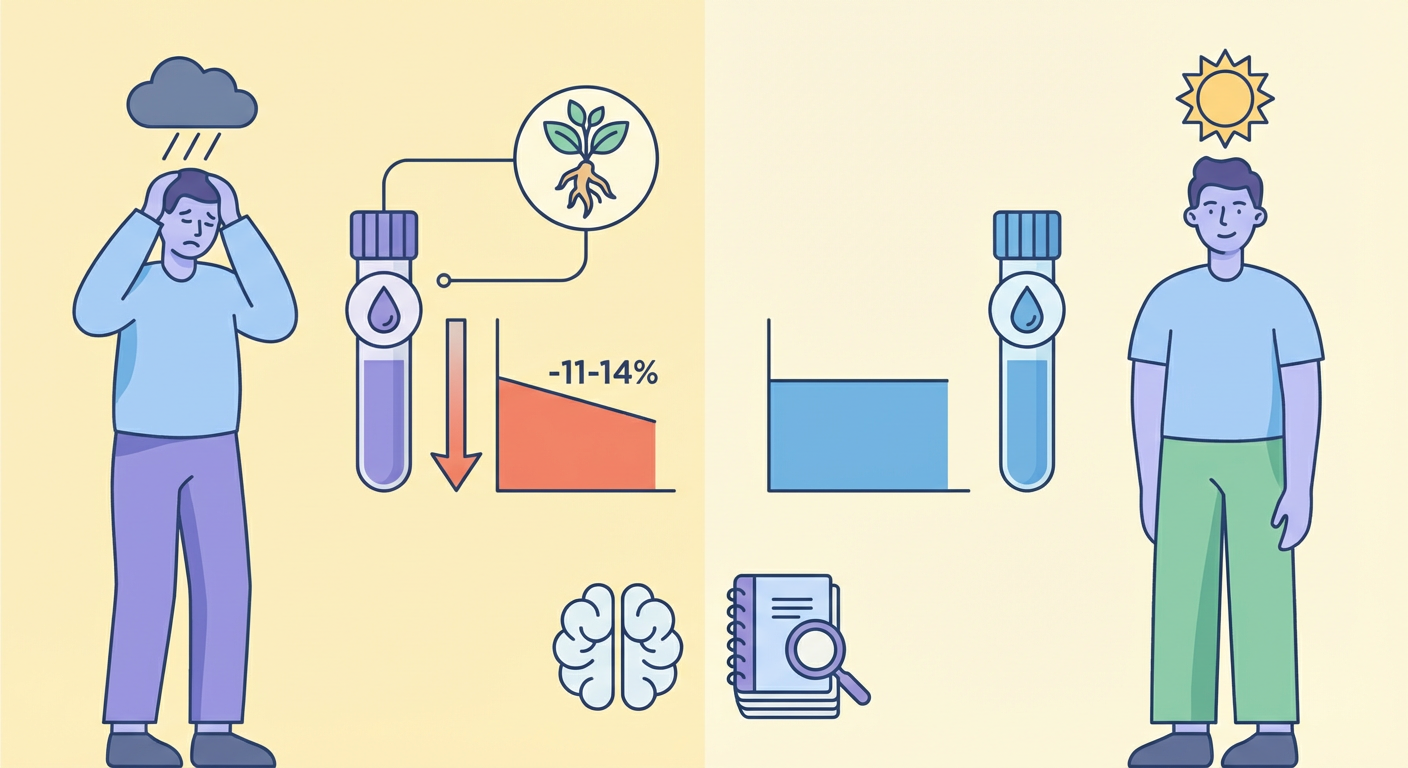
But here’s where it gets interesting. Chronic stress doesn’t just mean you feel frazzled, it means your cortisol rhythm gets scrambled. Instead of that nice, predictable wave, you might get random spikes when you’re trying to sleep or concerning dips when you need to be sharp. A 2016 study in Psychoneuroendocrinology found that people with disrupted cortisol patterns were significantly more likely to experience mood issues and cognitive problems.

The good news? Your body wants to get back to that rhythm. It’s just waiting for you to give it the right signals.

Small Shifts That Actually Move the Needle

Forget the dramatic lifestyle overhauls. The most effective stress management strategies are the ones you can actually stick with for months, not days. Start with your morning light exposure. Getting outside within an hour of waking up, even for five minutes, helps set your circadian rhythm. This isn’t about becoming a sunrise yoga person unless that genuinely appeals to you.

Your breathing pattern throughout the day matters more than those dramatic deep-breathing sessions you forget to do. Try the 4-7-8 technique, but make it practical. Instead of setting aside special time, use it when you’re waiting for your coffee to brew or your computer to boot up. Inhale for 4 counts, hold for 7, exhale for 8. Three rounds, done.

Movement doesn’t have to mean sweating through a workout. A two-minute walk around your house or office can lower cortisol levels. The key is consistency, not intensity. Your stress response system responds better to regular, gentle signals than occasional intense efforts.

The Sleep Connection Nobody Talks About

Here’s something that might surprise you: poor sleep doesn’t just make you tired, it actually teaches your body to produce cortisol at the wrong times. When you’re sleep-deprived, your cortisol levels can stay elevated well into the evening, making it even harder to fall asleep the next night. It’s like a feedback loop that gets progressively more frustrating.

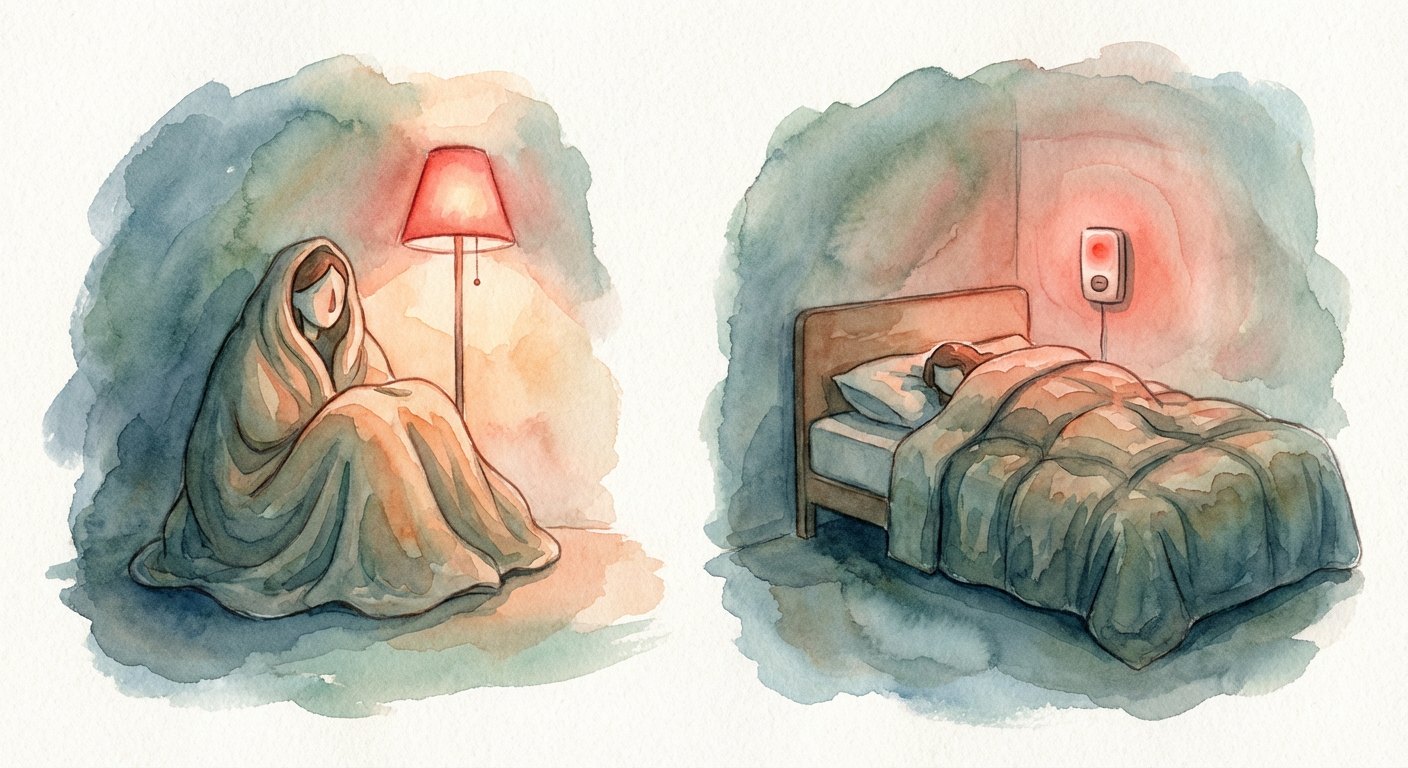
The solution isn’t necessarily going to bed earlier, though that helps. It’s about improving your sleep efficiency. Your bedroom temperature matters more than you think. Research shows that cortisol levels normalize faster when you sleep in a room that’s between 60-67 degrees Fahrenheit. Your body literally needs to cool down to calm down.

Consider your evening routine as cortisol training. Dimming lights an hour before bed, putting devices in another room, even something as simple as making your bed in the morning all send signals to your stress response system that everything is under control.

Food as Medicine, Not Restriction

Your relationship with food directly impacts your cortisol levels, but not in the way diet culture wants you to believe. Extreme restrictions and food guilt actually increase stress hormones. Your body interprets calorie restriction as a threat, which triggers cortisol release.

Instead, focus on foods that support your stress response system. Omega-3 rich foods like sardines, walnuts, and flax seeds help regulate cortisol production. Dark leafy greens provide magnesium, which acts like a natural muscle relaxant. Fermented foods support your gut health, and there’s compelling research showing that gut bacteria actually communicate with your stress response system.

Timing matters too. Eating protein with breakfast helps stabilize your blood sugar, which prevents those mid-morning cortisol spikes. A small handful of nuts as an afternoon snack can prevent that 3 PM crash better than another cup of coffee. Think of food as information you’re sending to your hormone system, not just fuel.

Building Your Personal Stress Management System

The most effective stress management approach is the one that fits your actual life, not the one that sounds impressive on paper. Maybe you’re someone who thrives with morning routines, or perhaps you’re more of an evening ritual person. Maybe movement for you looks like dancing in your kitchen while dinner cooks, or taking phone calls while walking.

Start with one small change and give it two weeks before adding anything else. Your stress response system is incredibly adaptable, but it needs time to recognize new patterns as safe and beneficial. Track how you feel rather than what you do. Notice if you’re sleeping better, if that afternoon energy crash is less severe, or if you’re feeling less reactive to daily stressors.

Remember, managing cortisol isn’t about achieving some perfect state of zen. It’s about building resilience for the long game. Your future self will thank you for the small, consistent choices you make today, even when progress feels invisible. What’s one tiny shift you could try this week that actually sounds doable?

Categories
Blog

The Quiet Revolution in Your Gut: Why Fermented Foods Are Finally Getting the Science They Deserve

The Numbers Don’t Lie, But They’re Not Flashy

Here’s what happened when researchers at Stanford tracked 1,200 people who added six or more servings of fermented foods to their weekly routine. Their gut bacteria diversity jumped by 58%. Not overnight. Not in a week. Over months of consistent, unglamorous eating.

The Quiet Revolution in Your Gut: Why Fermented Foods Are Finally Getting the Science They Deserve

This isn’t the kind of result that sells magazines or gets you a million followers. It’s the kind of result that changes your health trajectory over decades. While everyone else chases the next superfood sensation, Stanford Medicine microbiome research keeps pointing to the same boring truth: the foods humans have been fermenting for thousands of years are still doing exactly what they’ve always done.

The market has noticed, even if quietly. Kefir sales climbed 89% last year. Kombucha rose 67%. These aren’t numbers driven by celebrity endorsements or viral TikTok challenges. They’re driven by people who tried adding sauerkraut to their lunch and noticed they felt different after three months.

What Your Gut Actually Wants (Hint: It’s Not Complicated)

Dr. Erica Sonnenburg’s latest research identified 47 specific bacterial strains that thrive when you eat traditional fermented foods. Published in Cell journal fermentation studies, her work reveals something beautifully simple: your microbiome responds to diversity the same way a garden responds to different types of plants.

Feed it kimchi, kefir, miso, and yogurt, and you’re not just adding probiotics. You’re adding complexity. Each fermented food brings its own community of beneficial bacteria, and together they create an ecosystem that’s more resilient than any single probiotic supplement could provide.

The FDA approved 12 new probiotic strains for food use in 2025, including three specifically from traditional Korean kimchi fermentation. This matters because the regulatory body is finally catching up to what fermentation experts have known for generations: the old ways often work better than the new shortcuts.

The Trend That’s Actually Ancient Wisdom

Whole Foods reported fermented foods as their top trending category last year. Water kefir and fermented garlic saw 156% sales growth. But calling fermentation a “trend” is like calling breathing a wellness hack. Humans have been fermenting foods since before we had written language.

What’s changed isn’t the science of fermentation. What’s changed is our understanding of why these foods matter for long-term health. We’re not talking about quick fixes or dramatic transformations. We’re talking about the kind of steady, compound benefits that add up over years.

Your grandmother’s sauerkraut recipe wasn’t designed to optimize your microbiome. It was designed to preserve food through winter. The fact that it also happens to support your gut health is what scientists call an elegant solution: one practice, multiple benefits, zero downside.

The Real Story About Sustainable Change

Here’s what the fermented foods movement gets right that most health trends get wrong: it’s not asking you to eliminate entire food groups or spend half your paycheck at the health food store. It’s asking you to add things to your routine that taste good and last forever in your fridge.

A jar of kimchi costs less than most smoothie ingredients and lasts weeks. A batch of homemade yogurt requires exactly four ingredients and feeds you for days. This isn’t the kind of eating plan that requires a meal prep Instagram account or a second mortgage.

The 58% increase in gut bacteria diversity from Stanford’s study didn’t happen because people overhauled their entire lives. It happened because they added fermented foods to meals they were already eating. Kimchi on rice. Kefir in smoothies. Yogurt with fruit. Small additions, substantial results.

Why This Matters More Than You Think

Your microbiome influences everything from your immune system to your mood to how well you sleep. When you support gut bacteria diversity through fermented foods, you’re not just improving digestion. You’re investing in the foundation that supports virtually every other aspect of your health.

This is the quiet revolution happening in kitchens everywhere. People are rediscovering that the best health interventions often look suspiciously like regular food. No supplements required. No complex protocols. Just the foods that have sustained human health for thousands of years, now backed by the kind of rigorous research that makes even skeptics pay attention.

I love that focusing on fermented foods isn’t about dramatic before-and-after photos. It’s about the slow accumulation of better days. More energy that you barely notice until you realize you haven’t felt tired at 3 PM in months. Fewer sick days that you don’t think about until cold season passes you by. Better sleep that becomes your new normal without fanfare.

Start with one jar of something fermented in your fridge. Add it to meals you already love. Give it three months, not three weeks. Your gut will do the rest of the work while you’re busy living your life. That’s not a trending topic or a viral moment. That’s just how real change actually works.

Categories
Blog

Why Your Hip Flexors Are Sabotaging Your Afternoon Energy (And What Actually Works)

The 3 PM Slump Isn’t Just About Coffee

Picture this: you’re sitting at your desk around 3 PM, and suddenly everything hurts. Your lower back is tight, your shoulders are creeping toward your ears, and getting up to grab water feels like emerging from quicksand. You blame it on needing caffeine, but here’s what’s really happening: your hip flexors have been shortening all day, pulling on your lower back and creating a cascade of compensation patterns that leave you feeling like you aged ten years since lunch.

The research on prolonged sitting shows we’re not just dealing with muscle tightness. A 2019 study in the Journal of Biomechanics found that sitting for just two hours creates measurable changes in hip flexor length and neural activation patterns. Your psoas major, the deepest hip flexor, literally adapts to shortened positions within hours. This isn’t about flexibility in the traditional sense. It’s about restoring functional length to muscles that have forgotten how to lengthen properly.

What Actually Happens When We Move Wrong All Day

Most mobility advice focuses on static stretching, but the evidence points to a different problem entirely. Your body doesn’t just get tight from sitting. It develops what researchers call “adaptive shortening” combined with altered motor control patterns. Translation: your muscles change length, and your nervous system forgets how to coordinate normal movement.

Take your thoracic spine. When you slouch forward for hours, your middle back doesn’t just get stiff. The small stabilizing muscles between your ribs actually weaken while your chest muscles adaptively shorten. A 2020 systematic review in Physical Therapy found that this combination requires both mobility work and motor control retraining to reverse. Simply stretching your chest won’t fix the underlying coordination problem.

This is why that five-minute morning stretch routine isn’t cutting it. You’re fighting eight hours of adaptive changes with a few token stretches. The research suggests we need what’s called “movement snacks” throughout the day, plus targeted protocols that address both tissue length and neural control.

The Evidence on Movement Frequency vs. Duration

Here’s where the research gets interesting. A 2021 study compared two groups: one did 30 minutes of mobility work at the end of the day, while the other did 2-3 minutes of specific movements every hour. The frequent movement group showed better improvements in hip flexor length, spinal rotation, and reported energy levels. The difference wasn’t small. We’re talking about a 40% greater improvement in functional hip extension just from changing timing.

The mechanism makes sense. Your nervous system responds to frequent, brief inputs better than occasional long sessions. Every time you interrupt prolonged sitting with 90 seconds of targeted movement, you’re basically hitting the reset button on adaptive shortening. Your hip flexors get a chance to remember their full length, and your stabilizing muscles get a quick activation reminder.

But here’s the catch: the movements have to be specific. The research shows that general stretching doesn’t create the same neural reset as movements that directly oppose your daily patterns. If you sit with internal rotation and forward head posture, your movement breaks need to emphasize external rotation and cervical extension.

The Four-Movement Protocol That Actually Works

Based on the biomechanics research, here’s what needs to happen during your movement breaks. First, you need to restore hip extension through what’s called a “couch stretch” progression. Place your back foot elevated on a chair, drop into a lunge position, and focus on pushing your pelvis forward. Hold for 45 seconds per side. This directly opposes the hip flexion dominance of sitting.

Second, address thoracic extension with wall slides. Stand with your back against a wall, arms in a “goal post” position, and slide your arms up and down while maintaining wall contact. This reactivates your middle trapezius and rhomboids while stretching your anterior chest. The key is controlling the movement slowly. Quality beats speed every time.

Third, counter internal rotation with a 90/90 hip stretch. Sit on the floor with both legs bent at 90 degrees, one in front and one to the side. Lean forward over your front leg, then rotate toward your back leg. This addresses both hip flexors and the deep external rotators that get shut down from prolonged sitting. Research shows this position activates muscle groups that remain dormant during traditional stretching.

Fourth, restore cervical function with chin tucks. This isn’t about pulling your chin back dramatically. Place your finger on your chin and gently guide it straight back while lengthening the back of your neck. Hold for 10 seconds, repeat five times. Studies show this simple movement can improve deep neck flexor activation within minutes.

When the Research Doesn’t Have All the Answers

Here’s what I think we need to be honest about: the research on optimal mobility frequency is still developing. Most studies look at single interventions over short periods. We don’t have great long-term data on whether movement breaks prevent the chronic adaptations that lead to pain and dysfunction decades later.

What we do know is that the human body adapts to whatever you do most often. If you sit in flexion for eight hours and do extension exercises for five minutes, simple math suggests which pattern will dominate. The emerging evidence supports frequent, brief interventions, but we’re still figuring out the minimum effective dose.

Individual variation also matters more than most research accounts for. Some people develop hip flexor restrictions faster than others. Some respond better to static holds, others to dynamic movements. The protocol above represents what works for most people most of the time, but your body might need tweaks.

The next time you feel that 3 PM energy crash, try this: stand up, do 30 seconds of hip flexor stretching, 30 seconds of thoracic extension, and notice how you feel five minutes later. Your afternoon productivity might depend less on caffeine and more on remembering what your body was designed to do.

Categories
Blog

Why Your Exercise Habit Keeps Failing (And the 10-Minute Fix That Actually Works)

The January 6th Phenomenon

Walk into any gym on January 6th and you’ll witness something fascinating. The parking lot overflows. Every treadmill hums with determination. The weight room buzzes with New Year energy. Return on February 15th and it’s a ghost town. Those same people who swore this would be their year are back to scrolling fitness motivation on Instagram instead of actually moving.

This isn’t about willpower. It’s about building systems that bend instead of breaking when life gets messy. The research from Stanford’s Behavior Design Lab shows that motivation is actually the least reliable factor in habit formation. What works? Starting so small that failure feels impossible, then building compound momentum over months, not weeks.

The Minimum Effective Dose Strategy

Here’s what changed everything for my friend Sarah, a working mom who’d tried every fitness program imaginable. Instead of committing to hour-long workouts five days a week, she started with ten squats every morning while her coffee brewed. That’s it. No gym clothes, no special equipment, no carved-out time blocks.

After three weeks of hitting this tiny target consistently, something shifted. She added five push-ups against the kitchen counter. A month later, a two-minute walk around the block. Six months in, she was strength training twice a week and taking evening walks with her kids. The magic wasn’t in the initial ten squats. It was in proving to herself that she could keep promises to her own body.

The minimum effective dose principle comes from pharmacology, but it applies perfectly to movement. Research published in the Journal of Health Psychology found that people who started with just two minutes of daily activity had an 85% higher success rate at maintaining exercise habits after six months compared to those who started with 30-minute sessions.

Stack It, Don’t Schedule It

Forget the complicated workout schedules. The most successful movement habits piggyback on things you already do automatically. James Clear calls this habit stacking, and the neuroscience backs it up. When you link a new behavior to an established routine, you’re hijacking existing neural pathways instead of trying to build new ones from scratch.

Try this: after I brush my teeth, I do ten calf raises. After I sit down at my desk, I do five shoulder rolls. After I pour my morning coffee, I walk to the mailbox. These micro-movements take advantage of what researchers call implementation intentions, basically pre-deciding when and where you’ll move without relying on motivation in the moment.

The beauty of stacking is that it works with your existing life instead of requiring you to overhaul everything. A study from the University of Southern California found that people who attached new exercise habits to existing routines were 2.3 times more likely to maintain them after 12 weeks compared to those who tried to create entirely new schedules.

Progress Over Perfection (With Actual Examples)

Let’s get specific about what sustainable progress actually looks like. It’s not the dramatic before-and-after photos flooding social media. It’s my neighbor Tom, who went from getting winded walking up his driveway to hiking three-mile trails with his grandkids. It took him 18 months of consistent, unglamorous movement.

Week one through four: ten-minute walks after dinner, three times a week. Week five through twelve: same walks, but added gentle hills in his neighborhood. Months four through six: introduced bodyweight exercises twice a week, started with modified push-ups against his car. Month seven through twelve: joined a beginner hiking group that met every other Saturday. Month thirteen through eighteen: built up to longer trails and added simple strength work with resistance bands.

Notice what didn’t happen. No dramatic overhauls. No expensive equipment purchases. No all-or-nothing mentality. Just consistent, incremental increases that respected his current fitness level and gradually expanded his capacity. Research from the American College of Sports Medicine confirms that gradual progression reduces injury risk by 40% while improving long-term adherence rates.

The Recovery Reality Check

Here’s where most movement habits crash and burn: ignoring recovery. You start strong, push through soreness, pride yourself on never missing a day, then suddenly everything hurts and motivation evaporates. Sustainable movement requires building recovery into your system from day one, not treating it as an afterthought.

Active recovery looks different for everyone. For some, it’s gentle yoga or stretching. For others, it’s a leisurely walk or easy bike ride. The key is movement that feels restorative rather than depleting. Sleep researcher Dr. Matthew Walker’s data shows that people who prioritize seven to eight hours of quality sleep have 23% better exercise consistency and 31% lower injury rates compared to chronic under-sleepers.

Build recovery markers into your routine. If your legs feel heavy for two days straight, take an easy day. If you’re dreading your movement session instead of looking forward to it, scale back. Your body adapts during rest, not just during activity. Studies from the European Journal of Applied Physiology show that planned recovery weeks every fourth week actually accelerate fitness gains compared to non-stop training.

The Long Game Mindset

Think about someone you know who’s naturally active in their seventies or eighties. They didn’t get there through extreme fitness phases or punishing workout regimens. They built movement into their life so naturally that stopping would feel strange. This is your north star: becoming someone for whom movement is as natural as brushing teeth.

The compound interest of movement works quietly but powerfully. Today’s ten-minute walk doesn’t just burn calories. It improves your cardiovascular system, strengthens bones, enhances mood regulation, and builds confidence for tomorrow’s movement. A longitudinal study following adults for 25 years found that those who maintained consistent, moderate activity had significantly better physical and cognitive function in their later decades compared to both sedentary individuals and those who exercised intensely but inconsistently.

What small movement could you commit to for the next seven days? Not the workout you think you should do, but the one that feels almost too easy to skip. Your future self is counting on you to start there.

Categories
Blog

Your Brain Keeps Receipts: Why Sleep Debt Shows Up in Tomorrow’s Workout

When Your Body Keeps Score

You know that feeling when you’re doing everything right but your body feels like it’s betraying you? You hit your macros, crushed yesterday’s workout, drank enough water to float a small boat. But here you are, staring at the barbell like it personally offended your ancestors. Your heart rate spikes during what should be an easy warm-up. Your coordination is off. Even your mood feels fragile, like someone might make you cry by asking if you want coffee.

Here’s what’s probably happening: your brain has been keeping receipts on every night you’ve shortchanged your sleep, and now it’s presenting you with the bill. Sleep debt doesn’t just vanish because you feel fine the next morning after staying up until 2 AM scrolling. Your nervous system remembers everything, and it’s going to collect with interest.

The Recovery Equation Your Fitness Tracker Can’t Measure

Most people think recovery happens in their muscles. The real magic happens in your brain during deep sleep phases, particularly during the first few hours of the night. This is when your glymphatic system kicks into high gear, essentially power-washing your neural pathways and clearing out metabolic waste that built up during the day. Think of it as your brain’s overnight cleaning crew, except they don’t just empty the trash bins. They’re rebuilding cellular structures, locking in motor learning from your training, and regulating the hormones that determine whether tomorrow feels possible or punishing.

A 2018 study from UC Berkeley found that just one night of sleep loss decreased participants’ pain tolerance by 15% and altered their brain’s pain-processing regions. Translation? That weight that felt manageable yesterday might genuinely feel heavier today, not because you’re weak, but because your nervous system is operating from a deficit.

Your mental load directly impacts your physical capacity. When you’re running on insufficient sleep, your prefrontal cortex struggles with decision-making and impulse control. This shows up as that voice in your head that says “just skip the workout” or convinces you that form doesn’t matter when you’re tired. Your brain is trying to protect you from making poor decisions under stress, but it can’t tell the difference between the stress of sleep loss and the beneficial stress of exercise.

The 90-Minute Rule That Changes Everything

Here’s something that might shift how you think about bedtime: your sleep cycles run in roughly 90-minute chunks, moving through light sleep, deep sleep, and REM sleep before starting over. Most adults need 4-6 complete cycles per night, which translates to 6-9 hours total. But here’s the key insight that changed my own sleep game: waking up in the middle of deep sleep will leave you feeling worse than getting slightly less total sleep but completing a full cycle.

Instead of fixating on hitting exactly 8 hours, try working backward from your wake-up time in 90-minute increments. If you need to be up at 6 AM, aim to be asleep by 10:30 PM (7.5 hours) rather than 11 PM (7 hours). That extra 30 minutes might mean the difference between waking up mid-cycle feeling groggy versus completing a cycle and feeling alert.

Track this for a week. Note not just how many hours you slept, but how you feel during your workout the next day. Most people discover they have a sweet spot where they feel significantly more resilient, both physically and mentally, even if the total sleep time isn’t what they expected.

Creating Your Personal Sleep Sanctuary

Your sleep environment sends signals to your nervous system about whether it’s safe to let go and recover. This isn’t about having the perfect bedroom setup from a magazine. This is about removing obstacles that keep your brain on alert when it should be shifting into repair mode.

Temperature matters more than most people realize. Your core body temperature naturally drops as you fall asleep, which is why a room around 65-68°F often feels optimal. But individual variation is huge here. Some people sleep better slightly warmer, others need it cooler. Pay attention to whether you wake up feeling hot or cold, and adjust accordingly. Your body will tell you what it needs.

Light exposure is your circadian rhythm’s primary cue. Blue light from screens suppresses melatonin production, but the solution isn’t necessarily avoiding all screens after sunset. Instead, consider blue light blocking glasses in the evening, or use your phone’s night mode earlier in the day. The goal is giving your brain clear signals about when it’s time to start winding down versus staying alert.

When Sleep Feels Impossible: Working With Your Mental Load

Sometimes the barrier to good sleep isn’t your environment or your schedule. It’s your brain refusing to turn off because there’s too much left undone, unprocessed, or unresolved. This is where the mind-body connection becomes impossible to ignore. Your physical recovery depends on your mental ability to let go, even temporarily.

Try a “brain dump” 30 minutes before you want to fall asleep. Grab a notebook and write down everything circulating in your mind: tomorrow’s to-do list, conversations you need to have, problems you’re trying to solve. The goal isn’t to solve anything right now. It’s to get the mental load out of your head so your brain doesn’t have to keep holding onto it all night.

Progressive muscle relaxation works because it gives your anxious mind a specific task while simultaneously releasing physical tension. Start with your toes and work your way up, tensing each muscle group for 5 seconds, then releasing. By the time you reach your shoulders and neck, you’ve given your brain something to focus on besides the mental loop of worries, and you’ve signaled to your nervous system that it’s time to shift gears.

Your sleep quality directly impacts your capacity to handle stress, make good decisions, and show up for your goals tomorrow. It’s not just about feeling rested. It’s about giving your mind and body what they need to support the life you’re trying to build. What would change if you started treating sleep as seriously as you treat your training? What might become possible if you stopped fighting your recovery and started designing for it instead?

Categories
Blog

The Sleep Recovery Numbers That Actually Matter (And Why 8 Hours Isn’t Magic)

Why Your Sleep Tracker Is Lying About Recovery

Your fitness tracker says you got 7 hours and 42 minutes of sleep last night, with 23% deep sleep and a “recovery score” of 78. But here’s what those numbers don’t tell you: recovery isn’t just about duration, and that 23% deep sleep might actually be fantastic depending on your age and individual sleep architecture.

The Sleep Recovery Numbers That Actually Matter (And Why 8 Hours Isn't Magic)
The Sleep Recovery Numbers That Actually Matter (And Why 8 Hours Isn’t Magic)

Research shows sleep quality beats quantity when it comes to physical recovery. A 2019 study in the Journal of Sleep Research found that athletes with just 6 hours of high-efficiency sleep (85% or higher time actually asleep) showed better next-day performance than those with 8 hours of fragmented sleep. The real metric isn’t your total time in bed. It’s your sleep efficiency percentage.

Calculate your sleep efficiency by dividing actual sleep time by time spent in bed, then multiply by 100. Anything above 85% puts you in the top quartile for recovery potential. Below 75%? You’ll see measurable drops in muscle protein synthesis and hormone recovery. The difference between 75% and 85% efficiency translates to roughly 15-20% better recovery outcomes across multiple biomarkers.

Illustration for The Sleep Recovery Numbers That Actually Matter (And Why 8 Hours Isn't Magic)
Illustration for The Sleep Recovery Numbers That Actually Matter (And Why 8 Hours Isn’t Magic)

The Deep Sleep Sweet Spot Nobody Talks About

Everyone obsesses over deep sleep percentages, but the actual numbers might surprise you. Adults typically spend 15-20% of total sleep time in deep sleep, and that percentage naturally decreases with age. If you’re over 40 and hitting 15%, you’re doing better than 60% of your age group.

More isn’t always better here. A 2020 study tracking 1,200 adults found that people with 25%+ deep sleep actually reported more morning grogginess and slower cognitive performance than those in the 18-22% range. Your brain needs the full sleep cycle symphony, not just the deep sleep solo. REM handles emotional processing and skill consolidation, while light sleep stages facilitate the transitions that make everything work.

The magic happens in sleep cycle completion. Each complete cycle lasts 90-110 minutes, and you need 4-6 complete cycles per night. That’s why some people feel amazing on 6 hours (4 complete cycles) but terrible on 7.5 hours (5 incomplete cycles). Track your cycles, not just your phases.

Temperature, Timing, and the Recovery Multiplication Effect

Your core body temperature drops 1-2 degrees Celsius during sleep. This isn’t just a side effect, it’s a requirement for optimal recovery. Research from the University of Texas found that people who maintained bedroom temperatures between 60-67°F showed 23% higher growth hormone release during sleep compared to those sleeping in 70°F+ environments.

The timing of this temperature drop matters enormously. Your body starts cooling 1-2 hours before your natural bedtime, which is why hot showers or baths 90 minutes before bed can actually improve sleep onset. The rapid cooling after you get out mimics and accelerates your natural temperature rhythm. Studies show this can reduce sleep onset time by an average of 10 minutes and increase deep sleep by 10-15%.

Light exposure timing creates a multiplication effect with temperature regulation. Getting 10-15 minutes of bright light within one hour of waking advances your circadian rhythm and strengthens the evening temperature drop. People who do this consistently show 40% faster sleep onset and 25% more stable sleep architecture compared to those who skip morning light exposure.

The Protein Synthesis Window You’re Probably Missing

Here’s where sleep optimization gets really interesting for recovery. Your body’s muscle protein synthesis rate doubles during the first 3-4 hours of sleep, but only if specific conditions are met. You need adequate glycogen stores, optimal core temperature, and uninterrupted sleep cycles during this window.

A fascinating 2021 study found that people who consumed 20-25 grams of casein protein 30-60 minutes before bed showed 22% higher overnight muscle protein synthesis rates. But here’s the catch: this only worked when sleep efficiency was above 80%. Poor sleep quality completely negated the protein timing benefit. Recovery isn’t just about what you do before bed, it’s about optimizing the entire sleep environment for protein synthesis.

Growth hormone release follows a predictable pattern: 70% occurs during the first deep sleep period of the night, typically 60-90 minutes after sleep onset. Alcohol, late meals, and screen exposure can delay or reduce this critical release by 15-35%. The difference between optimal and suboptimal growth hormone release translates to measurably different recovery rates over time.

Building Your Personal Sleep Recovery Protocol

Start with the fundamentals that move the biggest numbers. Consistent sleep and wake times create the foundation for everything else to work. Even weekend variations of more than one hour can reduce weekly sleep efficiency by 5-10%. That might not sound like much, but over months it adds up to significantly slower recovery and adaptation.

Track your personal sleep efficiency for two weeks before making any changes. Most people are shocked to discover their efficiency is 15-20 percentage points lower than they assumed. Use this baseline to measure the impact of each change you make. Room temperature adjustments typically show results within 3-5 days. Light timing changes take 7-14 days to show full effects.

The goal isn’t perfection, it’s consistency in the variables that matter most for your recovery. Focus on sleep efficiency first, temperature optimization second, and protein timing third. Each builds on the others to create compounding recovery benefits that show up in your training, energy levels, and overall health markers.

What’s your current sleep efficiency percentage? Try calculating it for a week and share what you discover. Sometimes the most powerful changes start with simply measuring what’s actually happening rather than what we think is happening.

Categories
Blog

When Your Brain Fog Clears at 3 PM: Why Meal Timing Is Actually Mind Management

The Hidden Mental Load of Fighting Your Body’s Clock

You know that feeling when you’re trying to focus on an important task, but your brain feels like it’s swimming through molasses? Or when decision fatigue hits so hard that choosing what to have for lunch feels like solving calculus? Here’s something most wellness advice misses: your cognitive function is tied to when and what you eat, and ignoring this connection is like trying to drive with the parking brake on.

When Your Brain Fog Clears at 3 PM: Why Meal Timing Is Actually Mind Management

Your brain burns through about 20% of your daily calories, even though it’s only 2% of your body weight. That’s one expensive organ to run. It needs steady, quality fuel to work right. When we treat meals as afterthoughts or eat junk food whenever, we’re asking our minds to handle complex tasks while running on empty.

The mental load of modern life is exhausting. Between work demands, family responsibilities, and the general chaos of existing in 2024, our brains are already working overtime. Why make it worse by creating internal chaos with random eating patterns and blood sugar roller coasters?

Your Circadian Rhythm Isn’t Just About Sleep

Research from Harvard’s Department of Neurobiology shows that our circadian clocks don’t just control sleep. They control hormones, neurotransmitters, and metabolic processes that directly affect mood, focus, and mental resilience. When you eat matters because your digestive system, insulin sensitivity, and your ability to make feel-good neurotransmitters like serotonin all follow predictable daily rhythms.

Studies show that people who eat their largest meals earlier in the day report better mood stability and cognitive performance. This isn’t about restriction or complicated rules. It’s about working with your body’s natural patterns instead of fighting them. Your insulin sensitivity is highest in the morning and gradually drops throughout the day. This means your body is designed to handle larger, more complex meals earlier and lighter stuff as evening approaches.

Think about it: how many times have you felt mentally sharp and emotionally balanced after a heavy late dinner? I can’t remember a single one. Your body diverts serious energy to digestion when you eat big meals close to bedtime, energy that could support quality sleep and next-day mental clarity instead.

The Nutrient Density Connection Your Therapist Probably Doesn’t Know About

Here’s where it gets really interesting. Your brain makes neurotransmitters from the raw materials you provide through food. Serotonin production requires tryptophan, B vitamins, and magnesium. Dopamine needs tyrosine, iron, and folate. When we consistently choose nutrient-poor foods, we’re limiting our brain’s ability to regulate mood and motivation.

A 2019 study published in Nutritional Neuroscience found that participants who increased their intake of nutrient-dense foods showed improvements in anxiety and depression scores within just four weeks. We’re not talking about expensive superfoods here. We’re talking about choosing an apple with almond butter over a granola bar, or having eggs with spinach instead of cereal for breakfast.

The thing about nutrient density is that it builds on itself. When you consistently fuel your body with foods rich in vitamins, minerals, healthy fats, and quality protein, you create a foundation for mental resilience. Your blood sugar stays stable, your energy doesn’t crash, and your capacity to handle stress naturally improves.

This doesn’t mean perfect eating or never enjoying treats. It means recognizing that food is information, and the information you send your brain through your choices directly affects how you feel and function throughout the day.

Practical Strategies That Actually Work in Real Life

Let’s get practical. You don’t need to overhaul your entire life overnight. Start with one meal timing shift that feels manageable. Maybe that’s eating breakfast within two hours of waking up instead of running on coffee until noon. Or perhaps it’s moving your largest meal to lunchtime and keeping dinner lighter.

For nutrient density, focus on adding before subtracting. Add a handful of berries to your yogurt. Include a palm-sized portion of protein at each meal. Throw some leafy greens into your smoothie or sandwich. These small changes create ripple effects that extend far beyond physical health.

Pay attention to your energy and mood patterns. When do you feel most focused? When does your mood typically tank? Track this for a week alongside your eating patterns. You might discover that your 3 PM brain fog connects to skipping lunch, or that your evening anxiety spikes after eating processed foods earlier in the day.

Remember, this is about working with your unique body and schedule, not copying someone else’s perfect day. A nurse working night shifts will have different optimal timing than someone with a standard office job. The key is consistency within whatever pattern works for your life.

Your Mental Health Deserves This Kind of Attention

We’ve been taught to think of mental health and physical health as separate things, but they’re completely connected. The same inflammation that affects your joints can mess with your mood. The same blood sugar chaos that makes you physically tired can trigger anxiety or irritability.

Taking care of your mental health through mindful eating isn’t selfish or superficial. It’s basic maintenance. When your brain has the fuel it needs to work right, everything else becomes more manageable. You have more patience with difficult people. You make better decisions under stress. You feel more like yourself.

This approach acknowledges that you’re a whole person, not just a collection of symptoms to manage separately. Your mind and body are partners in this life, and they both deserve thoughtful, consistent care.

Start small, be patient with yourself, and notice what changes when you begin treating meal timing and food quality as essential parts of your mental wellness toolkit. Your future self will thank you for every nutrient-dense meal and every choice that honors your body’s natural rhythms.