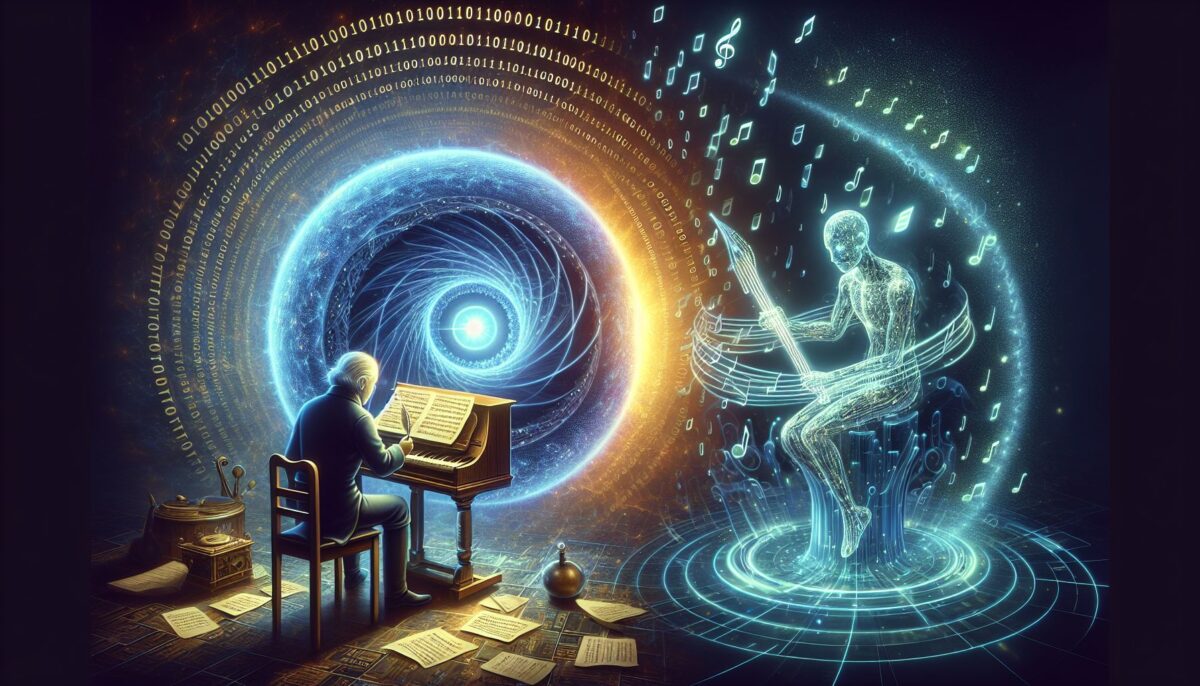
Hey, fellow tech aficionados! Today, we’re talking about something that’s been on my mind lately: artificial intelligence in music composition. This tech has been brewing for a while, and I figured it was time to dig into how AI is changing the way we create and experience music. Pop in your AirPods, and let’s get into this digital symphony!
Tune Up: Setting the Stage for AI in Music
We’re living in pretty wild times when it comes to AI. This technology is exploring art forms in ways that seemed impossible just a few years ago, and music composition is right at the center of it all. Haven’t you ever wondered how AI manages to create melodies that actually evoke emotions, tell stories, and maybe even create the next chart-topper?
Let me paint you a picture of what’s been happening. Not so long ago, music creation was all about artists spending hours scribbling notes on staves, practicing scales until their fingers hurt, and drawing inspiration from their life experiences. Now AI shows up as this unexpected collaborator, reading data, spotting patterns, and even picking up on emotional nuances to create music. This mix of binary code and creative expression is where things get really interesting.
The Bytes Behind the Beats: How AI Crafts Music
1. Deep Learning and Neural Networks
The backbone of AI music composition is deep learning and neural networks. These systems chew through massive amounts of music (think Beethoven to Billie Eilish) and learn the distinctive features, styles, and structures. Like an eager music student, AI absorbs and analyzes everything, eventually developing the ability to generate its own unique compositions. Algorithms like recurrent neural networks (RNNs) and generative adversarial networks (GANs) are key players in this process, turning individual notes into cohesive pieces.
2. Data-Driven Creativity
Here’s what’s cool: AI doesn’t just copy existing music. It takes ideas and mashes them together to create something new. By processing data about everything from musical styles to what listeners actually want to hear, AI composers produce tracks that fit specific contexts, emotions, or themes. These compositions aren’t just rehashed versions of old songs. They bring fresh perspectives to familiar genres and sometimes create entirely new ones.
3. The Role of Natural Language Processing (NLP)
Text and lyrics are huge parts of most musical compositions. AI uses natural language processing to write lyrics that actually work with its musical creations. It looks at context, mood, and meaning, generating verses that match the vibe of the melody. We’re talking AI-driven lyrical creativity here that can remind you of your favorite songwriter’s work.
Charting New Territories: Implications and Opportunities
1. Democratizing Music Creation
One of the coolest things about AI in music is how it’s making music creation accessible to everyone. You don’t need to be Mozart or have access to a fancy recording studio to craft catchy tunes. All you need is curiosity, a computer, and the right AI software. This accessibility is letting more people express themselves musically, breaking down barriers of skill level, cost, and resources.
2. Collaborations and Innovations
Picture the best human composers working with AI to push the boundaries of musical genres. This isn’t just some future possibility. It’s happening right now. Artists are already exploring collaborative compositions with AI that create completely new soundscapes. It’s exciting territory for innovation, challenging and inspiring artists to rethink what music can be.
3. Transforming the Music Industry
AI isn’t just changing how music gets created. It’s also changing how it’s marketed and consumed. AI-driven analytics are reshaping the industry by predicting trends, identifying potential hits, and tailoring music to individual listener tastes. As playlists and soundtracks get curated with machine precision, the industry’s entire approach to consumer engagement has been flipped on its head.
Conducting the Future: Challenges and Ethical Considerations
1. Creativity vs. Originality
The big question everyone’s asking about AI music: is it really creative, or is it just really good at copying? People worry that AI-generated music might be derivative or missing the “soul” that human creation brings. While AI can definitely emulate known styles, truly radical originality still seems to come from the human touch. The challenge moving forward is making sure AI music composition adds to creative originality rather than replacing it.
2. Intellectual Property and Ownership
Here’s a legal mess waiting to happen: who owns an AI-generated composition? Is it the developer, the algorithm, or the human who programmed it? These questions don’t have clear answers yet in intellectual property law, and they’re creating some serious legal and ethical headaches. We need a transparent framework as we use AI for music creation to protect artist rights and encourage innovation.
3. Safeguarding Human Expression
The promise of AI music needs to be balanced with preserving the human element of expression. Music is powerful because it tells stories and reflects personal experiences. As AI takes on a bigger role, we have to make sure we’re maintaining authenticity and diverse representation in musical narratives.
Encore: The Future Soundtrack Awaits
Our dive into AI-driven music composition reflects the bigger transformation happening in art and creativity. This convergence of technology and creative expression promises an exciting future where we’re not just passive listeners but active participants in co-creating the soundtracks to our lives.
As we continue to explore these boundaries, it’s important to nurture this relationship between humans and machines. After all, the goal is to create a mix of music that celebrates the artistry of both, where the power of algorithms meets the soul of human expression.
So, that’s your overview of AI in music composition. What are your thoughts on the impact AI is having on music and creativity? Is it a shiny new instrument, or are there some warning signs we should pay attention to?
Play on, dear readers!