Categories
Blog

Sleep Science Meets Real Life: What the Research Actually Says About High Performance Sleep

The Sleep Crisis Is Real (And It’s Costing Us)

Let’s start with the numbers, because they matter. Over one-third of American adults are sleeping fewer than seven hours per night. That’s not a personal failing. That’s a systemic issue. The economic impact? We’re talking about $411 billion in lost productivity annually across the US economy alone. To put that in perspective, that’s more than the GDP of most countries.

Sleep Science Meets Real Life: What the Research Actually Says About High Performance Sleep

What’s wild is that most people know they should be sleeping more. The problem isn’t knowledge. It’s implementation. We’re caught between knowing sleep matters and actually building lives that permit it. That gap is exactly where high-performance sleep science lives. And here’s the encouraging part: the research isn’t asking you to become a sleep perfectionist. It’s asking you to understand what actually works versus what’s marketing.
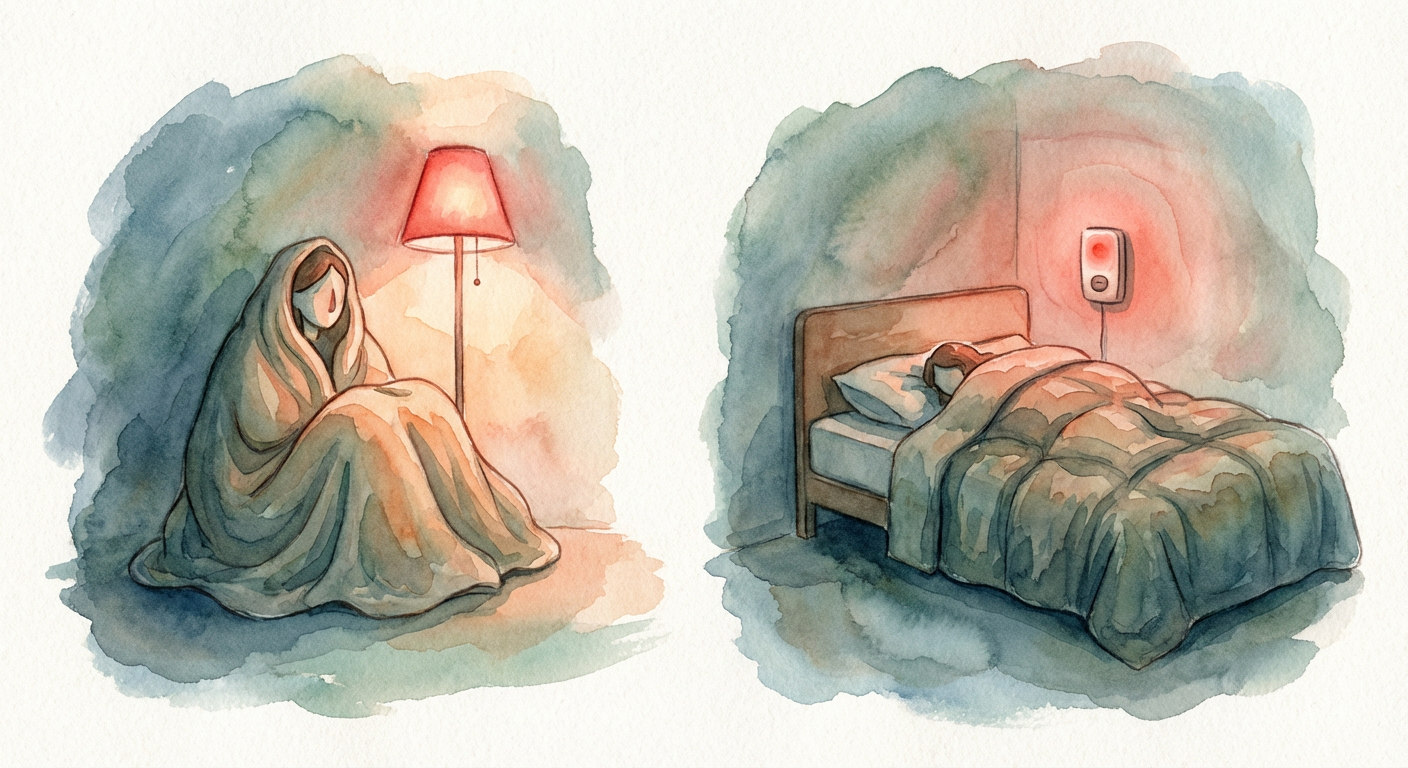
Illustration for Sleep Science Meets Real Life: What the Research Actually Says About High Performance Sleep

Matthew Walker Changed the Conversation (But the Nuance Matters)

When Matthew Walker’s “Why We Sleep” hit in 2017, it shifted cultural consciousness about sleep from nice-to-have to essential infrastructure. Suddenly, sleep was a mainstream health topic. That book deserves credit for making millions of people take sleep seriously for the first time. The neuroscience in there is genuinely compelling. Memory consolidation. Glymphatic clearance. Immune function. The mechanisms are real.

But here’s what a scientist friend told me recently: a book’s power to inspire isn’t the same as a book’s accuracy in every detail. Some of Walker’s claims have been scrutinized by the research community. Some studies he cited have been questioned. Other findings have been replicated robustly. The point isn’t that the book is wrong. The point is that the research is messier than any single narrative can capture. That’s actually good news for you, because it means sleep optimization isn’t about following one rigid protocol. It’s about understanding principles and adapting them to your life.

The Data Revolution: Wearables and What They Actually Tell Us

Devices like the Oura Ring and Whoop have created a new category of sleep optimization driven by personal data. You wake up and see your sleep score. You see your HRV. You see your recovery. This quantification is powerful. It creates feedback loops. People who never paid attention to their sleep patterns suddenly see their sleep in concrete terms. That’s behaviorally valuable.

Here’s the honest part: these devices are measuring proxies, not sleep itself. They’re estimating REM and deep sleep based on heart rate variability and movement patterns. They’re pretty good at it in research settings. In real life? There’s noise. The devices can’t tell if you actually fell asleep or just lay still. They can’t capture every arousal. But that limitation doesn’t make them useless. It makes them useful for a specific purpose: tracking trends over time. If your Oura Ring shows that you sleep better when you avoid caffeine after 2 PM, that’s actionable regardless of whether the absolute sleep numbers are perfect.

The real value is behavioral. People see the data, make changes, and notice improvements. The device becomes a mirror. And mirrors create motivation.

Chronobiology Is Real, and Your Sleep Timing Preference Is Not a Character Flaw

One of the most misunderstood areas of sleep science is chronotype. You know how some people absolutely crush it waking at 5 AM while others can’t string a coherent thought together until 10 AM? That’s not laziness. That’s neurobiology. Your circadian rhythm has a genetic component. Research in chronobiology has consistently shown significant individual differences in optimal sleep timing. Some people genuinely are night owls. Some genuinely are early risers. Forcing yourself into the wrong chronotype is like forcing a night owl to optimize for early morning and then wondering why they’re miserable.

This matters for the high-performance sleep conversation because it shifts the frame from universal rules to individual optimization. The research validates individual differences. That means the best sleep protocol for you might look different from your partner’s, and that’s exactly how it should be. The question isn’t “Am I broken?” It’s “What’s my timing and how do I build my life around it?”

The Tools That Have Evidence Behind Them (And the Ones That Don’t)

Red light therapy is everywhere in the sleep category right now. You can buy red light panels for your bedroom. The theory? Red light wavelengths support melatonin production and don’t suppress it like blue light does. The research here is suggestive but not overwhelming. Some studies show benefits. Others show minimal effects. It’s not bogus. It’s just not settled. If red light therapy appeals to you, try it and measure your sleep. Track whether it actually changes anything for you. Sleep Foundation research catalogs what’s known and what’s still emerging, which is a useful resource for cutting through claims.

Weighted blankets are in a similar category. They’ve become a phenomenon, particularly for anxiety and sleep. The research suggests they may help reduce cortisol and increase parasympathetic activation. They probably do help some people. Will they help you? That depends on your sensory preferences and what your nervous system responds to. Again, the research is real but not universal.

What does have robust evidence? Consistency. Temperature. Light exposure timing. Exercise timing. Caffeine cutoff. These aren’t flashy. They don’t generate excitement. But they work across populations. Huberman Lab sleep protocols builds on these foundations with detailed implementation guidance. The foundations are boring precisely because they’re reliable.

Building Your Sleep Protocol From Evidence

Here’s what I want you to take from this: the high-performance sleep movement is at its best when it’s grounded in evidence and at its worst when it’s selling you a single answer. Your sleep optimization might include some of these tools. It might include none of them. What matters is starting with the foundation and building from there.

Track what you actually do and what actually changes. Notice your chronotype instead of fighting it. Use data, but don’t worship data. Read the research, but know the difference between what’s proven and what’s promising. And remember that the goal isn’t perfect sleep. It’s better sleep than you’re getting now. That’s enough. That’s achievable.

What part of your sleep is calling for attention right now? I’d genuinely love to hear what you’re noticing about your own patterns and what you’re curious about exploring.
Categories
Blog

Exercise Snacking Works: What the 2025 UK Biobank Study Actually Shows

The Study That Changed Everything

Here’s the thing about February 2026: a research team analyzing data from 25,000 UK Biobank participants dropped something genuinely significant. Published in Nature Aging UK Biobank Physical Activity Research, the findings suggest that three 10-minute bursts of vigorous movement daily reduces all-cause mortality risk by 38%. That number sits right next to the mortality risk reduction you’d expect from 150 minutes of structured gym-based exercise per week. Same benefit. Different delivery method.

Exercise Snacking Works: What the 2025 UK Biobank Study Actually Shows

Stop and actually feel that for a moment. We’re not talking about a 5% improvement. Not 12%. Thirty-eight percent. Your body doesn’t particularly care whether you’re crushing it on a treadmill for an hour or sprinting up three flights of stairs to catch your bus.

Dr. Emmanuel Stamatakis of the University of Sydney, who led multiple UK Biobank exercise investigations, put it plainly in a January 2026 interview: “The gym is not the only path to a healthy cardiovascular system. Daily life, done with intention, counts.” That’s not motivational speak. That’s a career researcher looking at 25,000 data sets and saying the evidence points toward something we’ve been getting wrong.

Illustration for Exercise Snacking Works: What the 2025 UK Biobank Study Actually Shows

What Exactly Counts as Vigorous Incidental Activity

Before you get excited and think a casual stroll counts, let’s be precise. The study defined “vigorous incidental activity” as movement that reaches 77% or more of your maximum heart rate for at least one minute. This isn’t a gentle walk. This is real exertion, but the key word is “incidental.” It’s activity woven into what you’re already doing, not something you scheduled or paid for.

Picture the specifics. Stair climbing. Power walking to catch transportation. Carrying heavy groceries up a flight. Sprinting across a parking lot. Cycling hard to get somewhere on time. These aren’t gym sessions. These are moments in actual life where you’re moving with purpose and intensity.

The protocol breaks down simply: hit that 77% heart rate threshold for at least a minute, do it three times daily, and that’s it. Your body registers the cardiovascular demand. Your system adapts. The mortality benefit follows.

The World Health Organization Caught Up

What makes this research genuinely credible is that major institutional bodies took notice. The WHO Physical Activity Guidelines 2025 Update formally recognized exercise snacking for the first time. Before 2025, the WHO maintained that activity had to accumulate in continuous 10-minute blocks to count toward your weekly total. They’ve since removed that requirement.

This isn’t a small shift in language. The World Health Organization officially saying that short bursts of vigorous movement, accumulated throughout the day, meet the physical activity threshold is a genuine policy change. The science moved faster than the guidelines. The guidelines finally caught up.

What that means practically: you don’t need to carve out a 45-minute gym window. No special equipment. No wardrobe change. Move hard for one minute, three times daily, as part of your regular life. That’s sufficient.

Technology Just Made This Easier

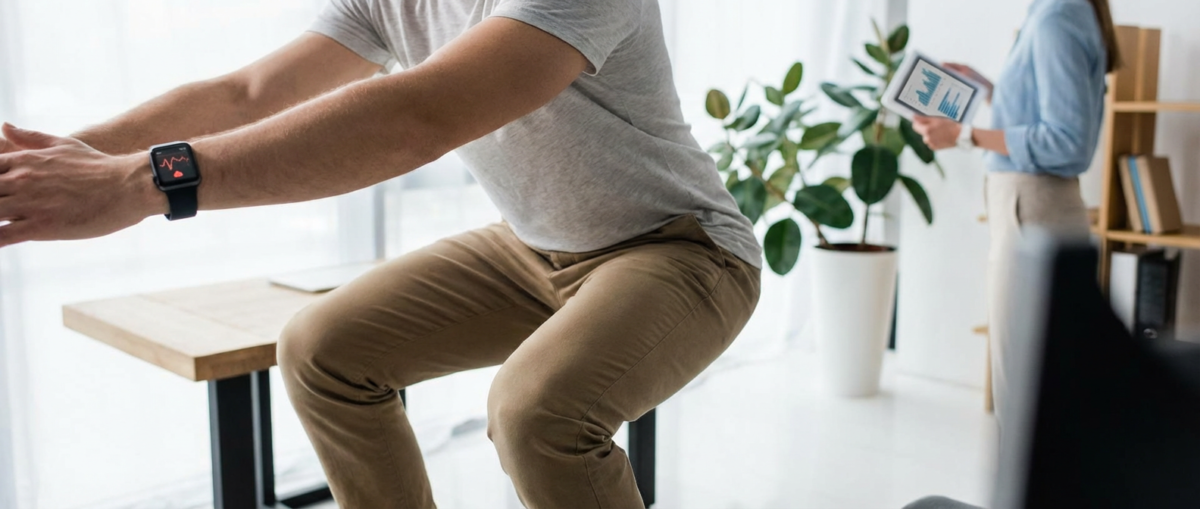
Apple Watch Ultra 2 added an “Activity Snacks” feature in its 2025 watchOS 12 software update. The feature auto-detects vigorous incidental movement and logs it automatically. In the first month alone, 4.2 million users enabled the feature. That’s not random adoption. That’s people immediately recognizing something useful when they see it.

Here’s why the tech matters: most of us don’t consciously track whether we hit 77% heart rate while running for a bus. Your wrist does. You get the feedback loop. You start noticing patterns. You start being slightly more deliberate about that stair choice instead of the elevator, and you start power-walking instead of strolling because you want to see that metric hit. The technology doesn’t create the activity. It makes the activity visible.

That said, you don’t need a smartwatch to benefit. The UK Biobank study measured vigorous incidental activity using accelerometers, sure. But that data simply confirmed what your body already knows. When you move hard, your heart rate rises. When you do it three times daily, your cardiovascular system adapts. The watch is a convenience, not a requirement.

The Honest Take on What This Means

The research is strong, but it’s not a license to skip structured exercise entirely if you currently do it and enjoy it. The UK Biobank study shows exercise snacking as a viable alternative pathway to similar mortality reduction. That doesn’t mean it’s superior. It means it’s equivalent. Huge distinction.

If you hate the gym, can’t afford membership fees, have mobility limitations that make 45-minute sessions impractical, or your life genuinely doesn’t allow for scheduled workouts, this protocol becomes your pathway. Three moments daily where you move with real intensity. You don’t need permission to do something less. You need the evidence that something different works just as well.

The 38% mortality risk reduction matters regardless of whether you achieve it through structured exercise or exercise snacking. Your cardiovascular system doesn’t care about your workout aesthetic. It cares about demand. Meeting that demand, three times daily in one-minute bursts, produces measurable biological adaptation.

What’s one vigorous activity you could add to your day tomorrow? Not someday. Not when you have more motivation. Tomorrow. I’d genuinely like to know how it goes. Drop a comment below or share what you discover about which incidental activities feel most natural to you. The research works because it fits into real life, not against it. Let’s figure out what real life looks like for you.

Categories
Blog

Your Body Absorbs Coconut Water Faster Than Plain H2O (And Other Hydration Facts That Matter)

The Sports Drink Marketing Machine Got One Thing Right

Picture this: you’re scrolling social media after a workout, and someone’s showing off their $12 electrolyte powder claiming it’s the only way to “properly hydrate.” Meanwhile, your grandmother lived to 95 drinking tap water and eating pickles. What’s actually going on here?

Here’s the thing that might surprise you: coconut water really does get absorbed by your small intestine about 15% faster than plain water. But before you empty your wallet at the health food store, let’s figure out what actually matters for staying hydrated. The sports drink industry has spent billions convincing us that water isn’t enough. While they’ve definitely oversold their products, they weren’t entirely wrong about the science.

Your Kidneys Are Smarter Than Any Influencer

Your body maintains fluid balance through a system so sophisticated it makes NASA’s engineering look simple. When you drink plain water, your kidneys have to work harder to retain the right amount while keeping sodium and potassium levels where they should be. This is why chugging a gallon of water won’t automatically make you “more hydrated” than someone sipping throughout the day.

The myth that clear urine equals optimal hydration has led to some genuinely dangerous water poisoning cases. In 2007, a woman died from drinking too much water too quickly during a radio station contest. Your urine should be pale yellow, like lemonade, not completely clear. Dark yellow means you need more fluids, but crystal clear often means you’re overdoing it.

Here’s what your kidneys actually need: a steady supply of fluids with the right balance of electrolytes. Think of electrolytes as the GPS system for water in your body. Without them, water just sloshes around uselessly instead of getting where it needs to go.

The Foods That Hydrate Better Than You Think

About 20% of your daily fluid intake comes from food, but some foods punch way above their weight in the hydration game. Watermelon is 92% water, but cucumbers clock in at 95%. That’s higher than most sports drinks. Greek yogurt gives you both fluids and electrolytes, plus protein that helps your muscles hold onto water more effectively.

Soup deserves special mention here because it combines fluids with sodium in a way that your body actually craves. After intense exercise or on hot days, a cup of low-sodium chicken broth can work better than the same amount of plain water. Your grandmother’s chicken soup remedy wasn’t just comfort food. Science shows that warm, salty liquids get absorbed faster when you’re dehydrated from illness.

Even coffee and tea count toward your fluid intake, despite decades of myths claiming they dehydrate you. A 2016 study in the American Journal of Clinical Nutrition found that regular coffee drinkers showed no difference in hydration markers compared to water drinkers. The mild diuretic effect gets canceled out by the fluid volume, especially if you’re used to caffeine.

When Water Actually Isn’t Enough

If you’re sweating for more than an hour, losing more than 2% of your body weight through fluid loss, or dealing with vomiting or diarrhea, plain water becomes less effective. During these times, your body needs sodium replacement that water alone can’t provide. This is where those expensive electrolyte products actually earn their keep, though you don’t need to spend premium prices.

A simple homemade oral rehydration solution works just as well: one quarter teaspoon of salt and two tablespoons of sugar in one cup of water. This ratio matches what emergency rooms use for dehydration cases. For athletes, chocolate milk has repeatedly beaten commercial sports drinks in recovery studies because it provides the ideal 3:1 carb-to-protein ratio your muscles need.

The timing matters more than the specific product. Research from the International Journal of Sports Nutrition shows that drinking 16-24 ounces of fluid two hours before exercise, then 6-8 ounces every 15-20 minutes during activity, works better for performance than any particular beverage choice.

The Temperature and Timing Game Changers

Cold drinks get absorbed faster than room temperature ones, but the difference is smaller than you’d expect, about 13% faster absorption rate. What matters more is consistency. Your body handles steady, smaller amounts better than large volumes consumed infrequently. Drinking 8 ounces every hour beats chugging 32 ounces every four hours.

Morning hydration needs special attention because you’ve been fasting from fluids for 6-8 hours. Starting your day with 16-20 ounces of fluid within the first hour of waking helps restore overnight losses and primes your system for the day. Adding a pinch of sea salt or drinking it with breakfast improves retention compared to plain water on an empty stomach.

Your individual needs vary based on climate, activity level, body size, and even genetics. Some people have genetic variations that affect how they process sodium, making them “salty sweaters” who need more electrolyte replacement than others. Pay attention to white residue on your clothes after exercise. That’s literally your salt leaving your body.

Building Your Personal Hydration Strategy

Start by tracking your current intake for a week, including all drinks and high-water foods. Most people discover they’re getting adequate fluids but poor timing or absorption. Then experiment with adding electrolytes during longer workouts or hot weather, but don’t assume expensive equals better.

The best hydration strategy is the one you’ll actually stick with consistently. Whether that’s flavoring your water with cucumber slices, setting hourly reminders, or keeping a water bottle at your desk, consistency beats perfection every time.

What small change could you make this week to improve your hydration timing or absorption? Sometimes the most powerful shifts happen when we stop overthinking and start paying attention to what our bodies actually need.

Categories
Blog

The Protein Panic Is Real (And It’s About Time We Had This Conversation)

When TikTok Broke the Protein Myth Wide Open

Remember when eating protein was simple? You’d have some chicken, maybe a shake after the gym, and call it a day. Then January rolled around and Dr. Layne Norton dropped a TikTok bomb that changed everything. His video about “rabbit starvation” racked up 47 million views faster than you could say “macro tracking,” and suddenly everyone was questioning their triple-scoop protein smoothies.

The Protein Panic Is Real (And It's About Time We Had This Conversation)
The Protein Panic Is Real (And It’s About Time We Had This Conversation)

Here’s the thing that got everyone’s attention: Norton wasn’t some anti-fitness crusader trying to tear down your gains. He was explaining a historical phenomenon where Arctic explorers literally starved to death despite eating plenty of lean rabbit meat. Too much protein, not enough of everything else. Sound familiar?

The video hit differently because it wasn’t about demonizing protein. It was about balance. And honestly? It was about time someone with a massive platform said what registered dietitians have been whispering for years: more isn’t always better, even when it comes to the fitness world’s favorite macronutrient.

Illustration for The Protein Panic Is Real (And It's About Time We Had This Conversation)
Illustration for The Protein Panic Is Real (And It’s About Time We Had This Conversation)

The Numbers Don’t Lie (And Neither Do Hospital Records)

While social media was buzzing about rabbit starvation, emergency rooms were seeing something else entirely. Between 2024 and 2025, kidney stone visits among men aged 25 to 35 jumped by 31 percent. The common thread? High-protein diets kept showing up in patient histories.

Now, correlation isn’t causation, but when you’re downing protein shakes like they’re water and eating chicken breast for every meal, your kidneys are working overtime. The National Kidney Foundation Nutrition Guidelines have been pretty clear about this for a while, but somehow that message got lost in the sea of “drink your protein” content.

The real kicker came in February 2026 when research published in the American Journal of Clinical Nutrition showed that consuming more than 2.2 grams of protein per kilogram of body weight provided zero additional muscle-building benefits. Zero. All those extra scoops weren’t building more muscle. They were just making expensive urine and potentially stressing your kidneys.

For context, that’s about 1 gram per pound of body weight. If you weigh 150 pounds, you’re maxing out benefits at around 150 grams of protein daily. Not the 200+ grams that some fitness influencers were pushing.

The Great Protein Powder Pullback

Money talks, and the supplement industry heard the conversation loud and clear. For the first time since 2019, protein powder sales dropped 12 percent in the fourth quarter of 2025. That’s not just a blip. That’s a trend shift.

But here’s what’s really interesting: people weren’t giving up on fitness. They were getting smarter about it. Instead of reaching for another tub of vanilla whey, they were asking better questions. Questions like “Do I actually need this?” and “What else should I be eating?”

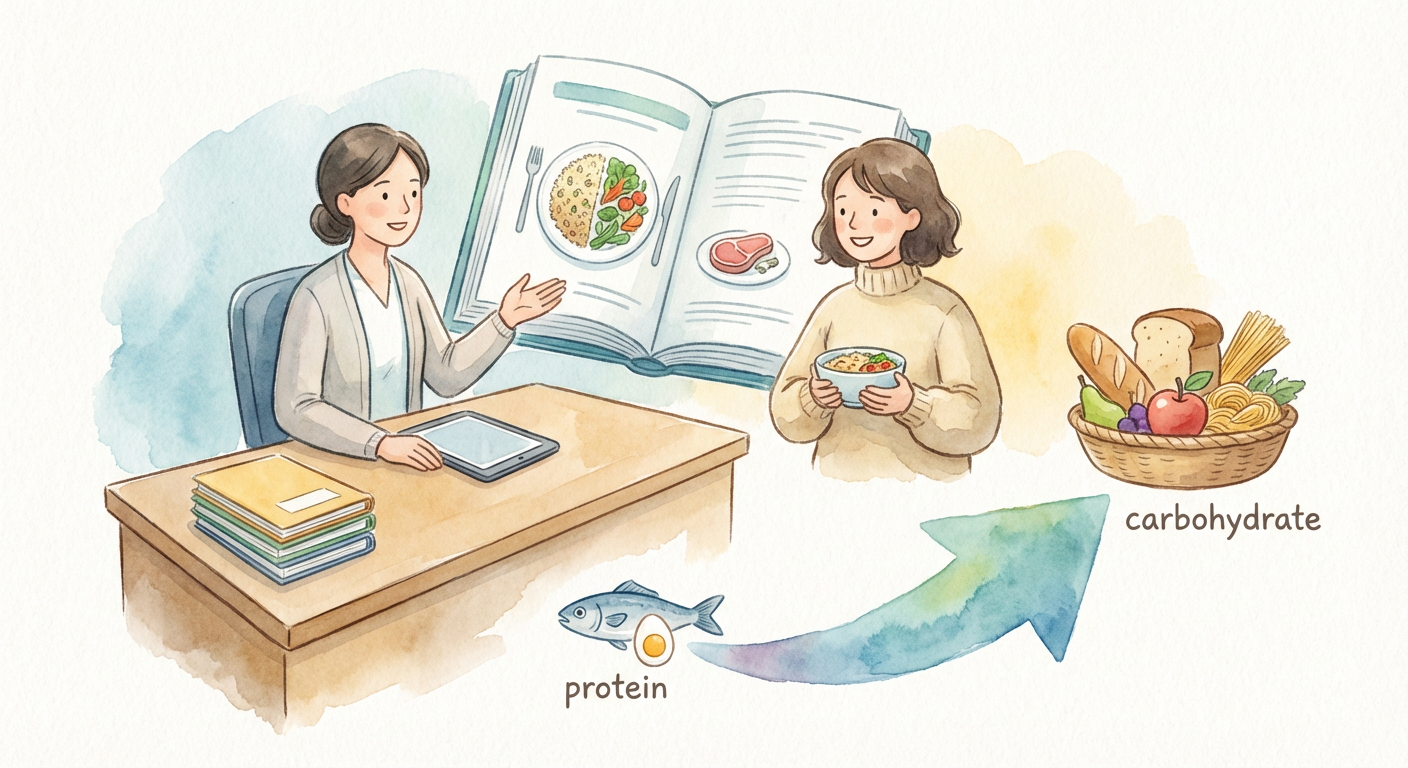
The shift wasn’t just about protein powder either. Registered dietitians started reporting something they’d never seen before: clients coming in specifically asking to reduce their protein intake. In early 2026, 67 percent more people sought professional help to rebalance their diets, particularly wanting to increase carbohydrates they’d been avoiding for years.

Think about that for a second. People were literally paying professionals to help them eat more carbs. In a world where “carbs are the enemy” had been gospel for so long, this was revolutionary.

Why the Protein Obsession Made Perfect Sense

Before we celebrate the end of protein paranoia, let’s acknowledge why it happened in the first place. The fitness industry didn’t accidentally stumble into protein worship. There were real reasons this took off.

Protein does help with satiety. It does support muscle growth. It does have a higher thermic effect than other macronutrients. All of this is true. The problem was taking these facts and stretching them into “more protein equals better everything.”

Plus, protein became a simple answer in a complicated world. Confused about nutrition? Just eat more protein. Not seeing results? Double your protein intake. It was easy to remember, easy to track, and easy to sell. Supplements, meal plans, coaching programs all built themselves around this single macronutrient.

The messaging was so consistent and so widespread that questioning it felt almost rebellious. Who wants to be the person suggesting that maybe, just maybe, we’d gone a little overboard with the chicken breast obsession?

Finding Your Personal Protein Sweet Spot

Here’s where we land after all this: protein isn’t the villain, and it’s not the hero either. It’s just one part of a much bigger nutritional picture. The research suggests that somewhere between 0.8 and 1.2 grams per pound of body weight hits the sweet spot for most active people.

But numbers alone don’t tell the whole story. Your individual needs depend on your activity level, your goals, your age, and honestly, what makes you feel good. Some people thrive on the lower end of that range. Others feel better toward the higher end.

The real victory here isn’t perfect protein calculations. It’s permission to eat other things without guilt. It’s recognizing that carbs fuel your workouts and your brain. It’s understanding that fats support hormone production and make food taste good. It’s about building a sustainable relationship with food that doesn’t require a calculator.

What’s your experience been with the great protein debate? Have you found yourself questioning your supplement stack lately, or are you still team protein-everything? The conversation is just getting started, and honestly, your perspective matters more than any influencer’s opinion.

Categories
Blog

Why Your 3 PM Energy Crash Might Be Your Body’s Way of Asking for Help

That Familiar Afternoon Slump Has a Name

It’s 3:47 PM and you’re staring at your computer screen like it holds the secrets of the universe, but really you’re just trying to remember what you were doing before your brain decided to take an unscheduled vacation. Your shoulders feel like they’re hosting a tension convention, and that third cup of coffee isn’t hitting the same way it did this morning.

Welcome to the cortisol rollercoaster. That hormone everyone loves to blame for everything is actually trying to help you, but somewhere along the way, the system got a little confused about what constitutes an actual emergency versus your inbox at 2 PM.

Your Stress Hormone Actually Has a Day Job

Cortisol gets a bad rap, but it’s basically your body’s built-in alarm system and energy manager rolled into one. In a perfect world, it peaks around 8 AM to help you get out of bed, then gradually decreases throughout the day so you can actually fall asleep at night. Think of it like a gentle wave that carries you from morning alertness to evening calm.

But here’s where it gets interesting. Chronic stress doesn’t just mean you feel frazzled, it means your cortisol rhythm gets scrambled. Instead of that nice, predictable wave, you might get random spikes when you’re trying to sleep or concerning dips when you need to be sharp. A 2016 study in Psychoneuroendocrinology found that people with disrupted cortisol patterns were significantly more likely to experience mood issues and cognitive problems.

The good news? Your body wants to get back to that rhythm. It’s just waiting for you to give it the right signals.

Small Shifts That Actually Move the Needle

Forget the dramatic lifestyle overhauls. The most effective stress management strategies are the ones you can actually stick with for months, not days. Start with your morning light exposure. Getting outside within an hour of waking up, even for five minutes, helps set your circadian rhythm. This isn’t about becoming a sunrise yoga person unless that genuinely appeals to you.

Your breathing pattern throughout the day matters more than those dramatic deep-breathing sessions you forget to do. Try the 4-7-8 technique, but make it practical. Instead of setting aside special time, use it when you’re waiting for your coffee to brew or your computer to boot up. Inhale for 4 counts, hold for 7, exhale for 8. Three rounds, done.

Movement doesn’t have to mean sweating through a workout. A two-minute walk around your house or office can lower cortisol levels. The key is consistency, not intensity. Your stress response system responds better to regular, gentle signals than occasional intense efforts.

The Sleep Connection Nobody Talks About

Here’s something that might surprise you: poor sleep doesn’t just make you tired, it actually teaches your body to produce cortisol at the wrong times. When you’re sleep-deprived, your cortisol levels can stay elevated well into the evening, making it even harder to fall asleep the next night. It’s like a feedback loop that gets progressively more frustrating.

The solution isn’t necessarily going to bed earlier, though that helps. It’s about improving your sleep efficiency. Your bedroom temperature matters more than you think. Research shows that cortisol levels normalize faster when you sleep in a room that’s between 60-67 degrees Fahrenheit. Your body literally needs to cool down to calm down.

Consider your evening routine as cortisol training. Dimming lights an hour before bed, putting devices in another room, even something as simple as making your bed in the morning all send signals to your stress response system that everything is under control.

Food as Medicine, Not Restriction

Your relationship with food directly impacts your cortisol levels, but not in the way diet culture wants you to believe. Extreme restrictions and food guilt actually increase stress hormones. Your body interprets calorie restriction as a threat, which triggers cortisol release.

Instead, focus on foods that support your stress response system. Omega-3 rich foods like sardines, walnuts, and flax seeds help regulate cortisol production. Dark leafy greens provide magnesium, which acts like a natural muscle relaxant. Fermented foods support your gut health, and there’s compelling research showing that gut bacteria actually communicate with your stress response system.

Timing matters too. Eating protein with breakfast helps stabilize your blood sugar, which prevents those mid-morning cortisol spikes. A small handful of nuts as an afternoon snack can prevent that 3 PM crash better than another cup of coffee. Think of food as information you’re sending to your hormone system, not just fuel.

Building Your Personal Stress Management System

The most effective stress management approach is the one that fits your actual life, not the one that sounds impressive on paper. Maybe you’re someone who thrives with morning routines, or perhaps you’re more of an evening ritual person. Maybe movement for you looks like dancing in your kitchen while dinner cooks, or taking phone calls while walking.

Start with one small change and give it two weeks before adding anything else. Your stress response system is incredibly adaptable, but it needs time to recognize new patterns as safe and beneficial. Track how you feel rather than what you do. Notice if you’re sleeping better, if that afternoon energy crash is less severe, or if you’re feeling less reactive to daily stressors.

Remember, managing cortisol isn’t about achieving some perfect state of zen. It’s about building resilience for the long game. Your future self will thank you for the small, consistent choices you make today, even when progress feels invisible. What’s one tiny shift you could try this week that actually sounds doable?

Categories
Blog

The Quiet Revolution in Your Gut: Why Fermented Foods Are Finally Getting the Science They Deserve

The Numbers Don’t Lie, But They’re Not Flashy

Here’s what happened when researchers at Stanford tracked 1,200 people who added six or more servings of fermented foods to their weekly routine. Their gut bacteria diversity jumped by 58%. Not overnight. Not in a week. Over months of consistent, unglamorous eating.

The Quiet Revolution in Your Gut: Why Fermented Foods Are Finally Getting the Science They Deserve

This isn’t the kind of result that sells magazines or gets you a million followers. It’s the kind of result that changes your health trajectory over decades. While everyone else chases the next superfood sensation, Stanford Medicine microbiome research keeps pointing to the same boring truth: the foods humans have been fermenting for thousands of years are still doing exactly what they’ve always done.

The market has noticed, even if quietly. Kefir sales climbed 89% last year. Kombucha rose 67%. These aren’t numbers driven by celebrity endorsements or viral TikTok challenges. They’re driven by people who tried adding sauerkraut to their lunch and noticed they felt different after three months.

What Your Gut Actually Wants (Hint: It’s Not Complicated)

Dr. Erica Sonnenburg’s latest research identified 47 specific bacterial strains that thrive when you eat traditional fermented foods. Published in Cell journal fermentation studies, her work reveals something beautifully simple: your microbiome responds to diversity the same way a garden responds to different types of plants.

Feed it kimchi, kefir, miso, and yogurt, and you’re not just adding probiotics. You’re adding complexity. Each fermented food brings its own community of beneficial bacteria, and together they create an ecosystem that’s more resilient than any single probiotic supplement could provide.

The FDA approved 12 new probiotic strains for food use in 2025, including three specifically from traditional Korean kimchi fermentation. This matters because the regulatory body is finally catching up to what fermentation experts have known for generations: the old ways often work better than the new shortcuts.

The Trend That’s Actually Ancient Wisdom

Whole Foods reported fermented foods as their top trending category last year. Water kefir and fermented garlic saw 156% sales growth. But calling fermentation a “trend” is like calling breathing a wellness hack. Humans have been fermenting foods since before we had written language.

What’s changed isn’t the science of fermentation. What’s changed is our understanding of why these foods matter for long-term health. We’re not talking about quick fixes or dramatic transformations. We’re talking about the kind of steady, compound benefits that add up over years.

Your grandmother’s sauerkraut recipe wasn’t designed to optimize your microbiome. It was designed to preserve food through winter. The fact that it also happens to support your gut health is what scientists call an elegant solution: one practice, multiple benefits, zero downside.

The Real Story About Sustainable Change

Here’s what the fermented foods movement gets right that most health trends get wrong: it’s not asking you to eliminate entire food groups or spend half your paycheck at the health food store. It’s asking you to add things to your routine that taste good and last forever in your fridge.

A jar of kimchi costs less than most smoothie ingredients and lasts weeks. A batch of homemade yogurt requires exactly four ingredients and feeds you for days. This isn’t the kind of eating plan that requires a meal prep Instagram account or a second mortgage.

The 58% increase in gut bacteria diversity from Stanford’s study didn’t happen because people overhauled their entire lives. It happened because they added fermented foods to meals they were already eating. Kimchi on rice. Kefir in smoothies. Yogurt with fruit. Small additions, substantial results.

Why This Matters More Than You Think

Your microbiome influences everything from your immune system to your mood to how well you sleep. When you support gut bacteria diversity through fermented foods, you’re not just improving digestion. You’re investing in the foundation that supports virtually every other aspect of your health.

This is the quiet revolution happening in kitchens everywhere. People are rediscovering that the best health interventions often look suspiciously like regular food. No supplements required. No complex protocols. Just the foods that have sustained human health for thousands of years, now backed by the kind of rigorous research that makes even skeptics pay attention.

I love that focusing on fermented foods isn’t about dramatic before-and-after photos. It’s about the slow accumulation of better days. More energy that you barely notice until you realize you haven’t felt tired at 3 PM in months. Fewer sick days that you don’t think about until cold season passes you by. Better sleep that becomes your new normal without fanfare.

Start with one jar of something fermented in your fridge. Add it to meals you already love. Give it three months, not three weeks. Your gut will do the rest of the work while you’re busy living your life. That’s not a trending topic or a viral moment. That’s just how real change actually works.

Categories
Blog

Why Your Hip Flexors Are Sabotaging Your Afternoon Energy (And What Actually Works)

The 3 PM Slump Isn’t Just About Coffee

Picture this: you’re sitting at your desk around 3 PM, and suddenly everything hurts. Your lower back is tight, your shoulders are creeping toward your ears, and getting up to grab water feels like emerging from quicksand. You blame it on needing caffeine, but here’s what’s really happening: your hip flexors have been shortening all day, pulling on your lower back and creating a cascade of compensation patterns that leave you feeling like you aged ten years since lunch.

The research on prolonged sitting shows we’re not just dealing with muscle tightness. A 2019 study in the Journal of Biomechanics found that sitting for just two hours creates measurable changes in hip flexor length and neural activation patterns. Your psoas major, the deepest hip flexor, literally adapts to shortened positions within hours. This isn’t about flexibility in the traditional sense. It’s about restoring functional length to muscles that have forgotten how to lengthen properly.

What Actually Happens When We Move Wrong All Day

Most mobility advice focuses on static stretching, but the evidence points to a different problem entirely. Your body doesn’t just get tight from sitting. It develops what researchers call “adaptive shortening” combined with altered motor control patterns. Translation: your muscles change length, and your nervous system forgets how to coordinate normal movement.

Take your thoracic spine. When you slouch forward for hours, your middle back doesn’t just get stiff. The small stabilizing muscles between your ribs actually weaken while your chest muscles adaptively shorten. A 2020 systematic review in Physical Therapy found that this combination requires both mobility work and motor control retraining to reverse. Simply stretching your chest won’t fix the underlying coordination problem.

This is why that five-minute morning stretch routine isn’t cutting it. You’re fighting eight hours of adaptive changes with a few token stretches. The research suggests we need what’s called “movement snacks” throughout the day, plus targeted protocols that address both tissue length and neural control.

The Evidence on Movement Frequency vs. Duration

Here’s where the research gets interesting. A 2021 study compared two groups: one did 30 minutes of mobility work at the end of the day, while the other did 2-3 minutes of specific movements every hour. The frequent movement group showed better improvements in hip flexor length, spinal rotation, and reported energy levels. The difference wasn’t small. We’re talking about a 40% greater improvement in functional hip extension just from changing timing.

The mechanism makes sense. Your nervous system responds to frequent, brief inputs better than occasional long sessions. Every time you interrupt prolonged sitting with 90 seconds of targeted movement, you’re basically hitting the reset button on adaptive shortening. Your hip flexors get a chance to remember their full length, and your stabilizing muscles get a quick activation reminder.

But here’s the catch: the movements have to be specific. The research shows that general stretching doesn’t create the same neural reset as movements that directly oppose your daily patterns. If you sit with internal rotation and forward head posture, your movement breaks need to emphasize external rotation and cervical extension.

The Four-Movement Protocol That Actually Works

Based on the biomechanics research, here’s what needs to happen during your movement breaks. First, you need to restore hip extension through what’s called a “couch stretch” progression. Place your back foot elevated on a chair, drop into a lunge position, and focus on pushing your pelvis forward. Hold for 45 seconds per side. This directly opposes the hip flexion dominance of sitting.

Second, address thoracic extension with wall slides. Stand with your back against a wall, arms in a “goal post” position, and slide your arms up and down while maintaining wall contact. This reactivates your middle trapezius and rhomboids while stretching your anterior chest. The key is controlling the movement slowly. Quality beats speed every time.

Third, counter internal rotation with a 90/90 hip stretch. Sit on the floor with both legs bent at 90 degrees, one in front and one to the side. Lean forward over your front leg, then rotate toward your back leg. This addresses both hip flexors and the deep external rotators that get shut down from prolonged sitting. Research shows this position activates muscle groups that remain dormant during traditional stretching.

Fourth, restore cervical function with chin tucks. This isn’t about pulling your chin back dramatically. Place your finger on your chin and gently guide it straight back while lengthening the back of your neck. Hold for 10 seconds, repeat five times. Studies show this simple movement can improve deep neck flexor activation within minutes.

When the Research Doesn’t Have All the Answers

Here’s what I think we need to be honest about: the research on optimal mobility frequency is still developing. Most studies look at single interventions over short periods. We don’t have great long-term data on whether movement breaks prevent the chronic adaptations that lead to pain and dysfunction decades later.

What we do know is that the human body adapts to whatever you do most often. If you sit in flexion for eight hours and do extension exercises for five minutes, simple math suggests which pattern will dominate. The emerging evidence supports frequent, brief interventions, but we’re still figuring out the minimum effective dose.

Individual variation also matters more than most research accounts for. Some people develop hip flexor restrictions faster than others. Some respond better to static holds, others to dynamic movements. The protocol above represents what works for most people most of the time, but your body might need tweaks.

The next time you feel that 3 PM energy crash, try this: stand up, do 30 seconds of hip flexor stretching, 30 seconds of thoracic extension, and notice how you feel five minutes later. Your afternoon productivity might depend less on caffeine and more on remembering what your body was designed to do.